Storey County is a hub for Nevada data centers. It wants to rein in state tax breaks.

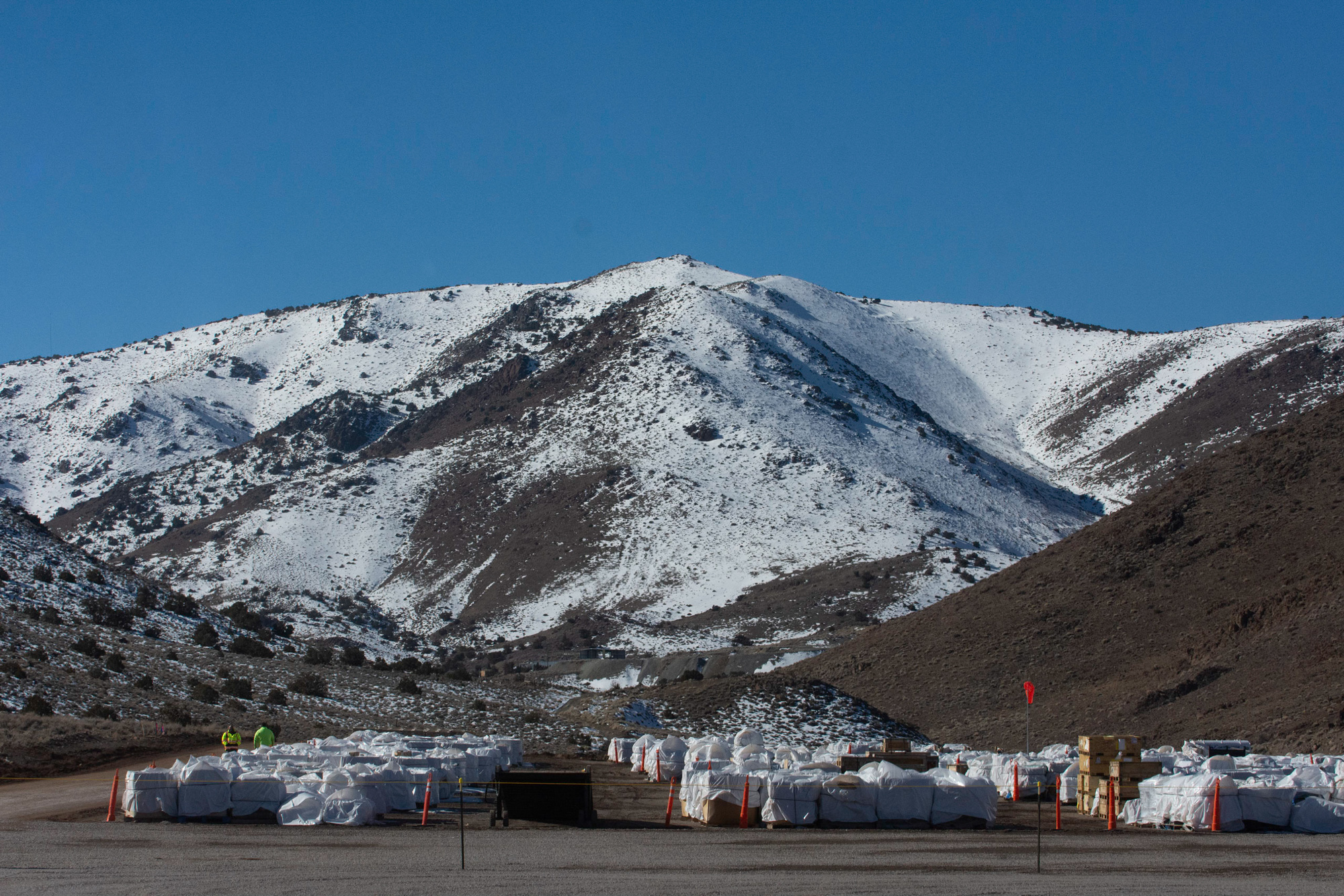
A region central to Nevada's data center industry wants the state to make big changes to its data center tax break program, the latest sign of the growing wariness about the existing incentive program.
Storey County, home to the sprawling industrial park east of Reno, submitted a sweeping proposal to the Nevada Legislature on Tuesday to shorten the length of tax incentives, impose stricter spending requirements and prohibit tax breaks for data centers located on federal land. It would also require more public disclosures on water and energy use and give some local governments greater power to reject a tax break.
The proposal comes 11 years after the Nevada Legislature launched its data center tax break program in an effort to woo data center company Switch to Storey County. There are 76 data centers built or planned in Nevada, according to the online tracker Data Center Map.
The state has given out $461 million in expected tax breaks to data centers — and three-quarters of that money has gone to developments in Storey County. The county supported the creation of the program, but the proposal indicates that even it believes changes are necessary.
"There's benefits to them," Will Adler, Storey County's lobbyist, said at a meeting Tuesday. "Modifications really are what this program needs."
Data centers have grown increasingly unpopular. In Nevada, there are concerns about the developments' significant energy use and high water usage of some developments — though many new ones are using more water-efficient technology. Many local governments across the state are pausing data center approvals or looking into how to regulate the industry.
The state's tax breaks have also come under fire, especially because data centers used to focus on cloud computing but have exploded amid the rise of artificial intelligence.
Storey County's proposal is the latest to challenge the data center tax break program. Last week, Sen. Dina Neal (D-North Las Vegas) proposed ending the program altogether and placing a statewide pause on the creation and expansion of data centers. An interim legislative committee approved sending that bill to next year's legislative session, with two Republicans against.
Nevada Attorney General Aaron Ford (D), who is running for governor, has proposed pausing approving new tax breaks pending audits of all companies receiving the tax incentives.
A leash on tax relief
The most significant part of Storey County's proposal is cutting the length of the abatements. Under the existing program, companies could receive the tax relief for 10 years or 20 years, but the county wants to change that to five or 10 years.
The proposal would not change the amount of tax relief, which is a 75 percent abatement of the tax on personal property, such as business equipment, and a sales and use tax rate of 2 percent.
The requirements to keep the abatements would also be more stringent. Companies would have to double their spending commitments and slightly increase the amount of permanent jobs — the latter of which is a particularly hot topic because data centers do not usually create many permanent jobs.
However, it would also be easier for companies to hit those new job requirements because they could count jobs created by entities renting out space in their buildings.
Increased public role
Another significant change is local governments in Clark and Washoe counties could have the power to reject a data center abatement.
The proposal would require data centers located in these counties to seek an endorsement for the tax break. The local government must consider this request at a public hearing and could then decide to submit or decline an endorsement, or change the terms of the abatement.
The state's Governor's Office of Economic Development, which approves the abatements, would not be allowed to override the preferences of the local government.
The state would also have to release information about the local government tax revenue generated by each data center that received a tax break — something that is not an existing requirement, leading to uncertainty about the benefits of the program.
The state would also release each development's projected and actual electricity and water use and how much local government revenue was lost because of the incentives.
Under existing law, the state releases reports every other year on some data centers' job creation, capital expenditures and wages, but The Indy found these operate on a significant lag time and are abrim with errors.
At Tuesday's meeting of the Storey County Board of Commissioners, much of the discussion centered around whether to keep certain changes to audit requirements.
Data centers receiving tax breaks must agree to audits, but there are no specified timelines in Nevada law. Under Storey County's proposal, audits would be required at the five- and 10-year marks — companies receiving the short-term tax break would get audited once, while the other companies would be subject to two audits.
There were some concerns that this could lead to a price tag on the bill — potentially giving it a higher likelihood of not passing — and that there could be other bills next year on this topic.
Ultimately, the board decided to keep the new audit timelines in the proposal, while leaving the door open to removing it down the line.
Data centers on federal land
There have not been any tax breaks for data centers on federal land, but the topic emerged this summer after the Trump administration OK'd using federal land for a data center development, which had previously received a different type of tax abatement.
In response, U.S. Rep. Dina Titus (D-NV) had asked Gov. Joe Lombardo (R) to commit to not approving any more until next year's legislative session. Lombardo did not commit to doing so but assured Titus the development could not keep its other type of tax abatement.
The Storey County proposal would require any data center seeking a tax break to verify, under penalty of perjury, that no part of it is on federal land. If a data center that already received a tax break moves or expands to federal land, it would have to return any future incentives.
Support Independent Elections Coverage and Journalism in Nevada
You’ve enjoyed unlimited access to our reporting because we’re committed to providing independent, accessible journalism for all Nevadans.
But sustaining this work — informing communities, holding leaders accountable, and strengthening civic life — depends on readers like you.
Nevada needs strong, independent journalism. Will you join us?
A gift of any amount helps keep our reporting free and accessible to everyone across our state and funds our elections coverage.
Choose an amount or learn more about membership