"This is not a change in direction," said Taylor Adams, president and CEO of the organization, now called Northern NV Now, a name meant to be action-oriented and forward-thinking. "It is a clearer way to say who we have become."
Boulder City officials took steps Tuesday to challenge the use of nearby federal land for a data center project that might use more than three times as much energy as the city's existing energy load, according to one estimate.
Suscríbase a nuestros boletines
The Daily Indy
Sunday-Friday
Sign up to get exclusive Nevada news and analysis right in your inbox.
Indy Elections
Every Tuesday
Our reporters take you beyond the sound bites to dig into Nevada politics, delivering scoops and smart analysis on key races and important policy issues.

Indy Environment
Monthly
From hiking trails to town hall meetings, Amy Alonzo breaks news on the environmental beat and curates the best land, water and energy journalism in the West.

Indy Education
Twice monthly
Get schooled as Rocio Hernandez takes you inside Nevada’s K-12 education system, delivering insightful policy news and exclusive interviews with movers and shakers.

Indy Gaming
Every other Wednesday
Veteran reporter Howard Stutz explores what’s innovative and interesting in Nevada’s gaming, sports and hospitality industries and its interplay with global trends.
The Nevada Independent will be tracking what data center-related actions local governments across the state are taking. This page will be updated as officials take more actions.
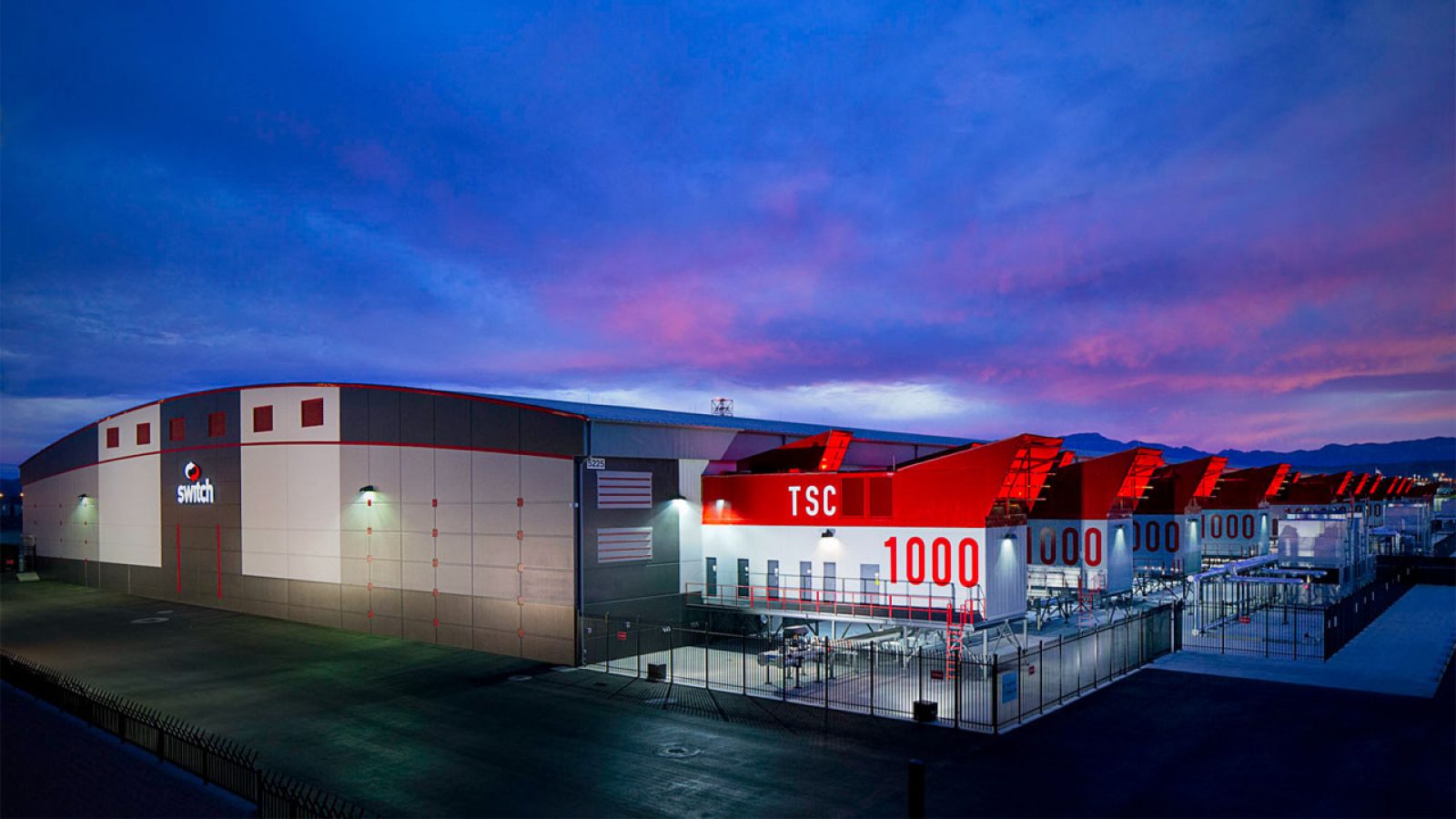
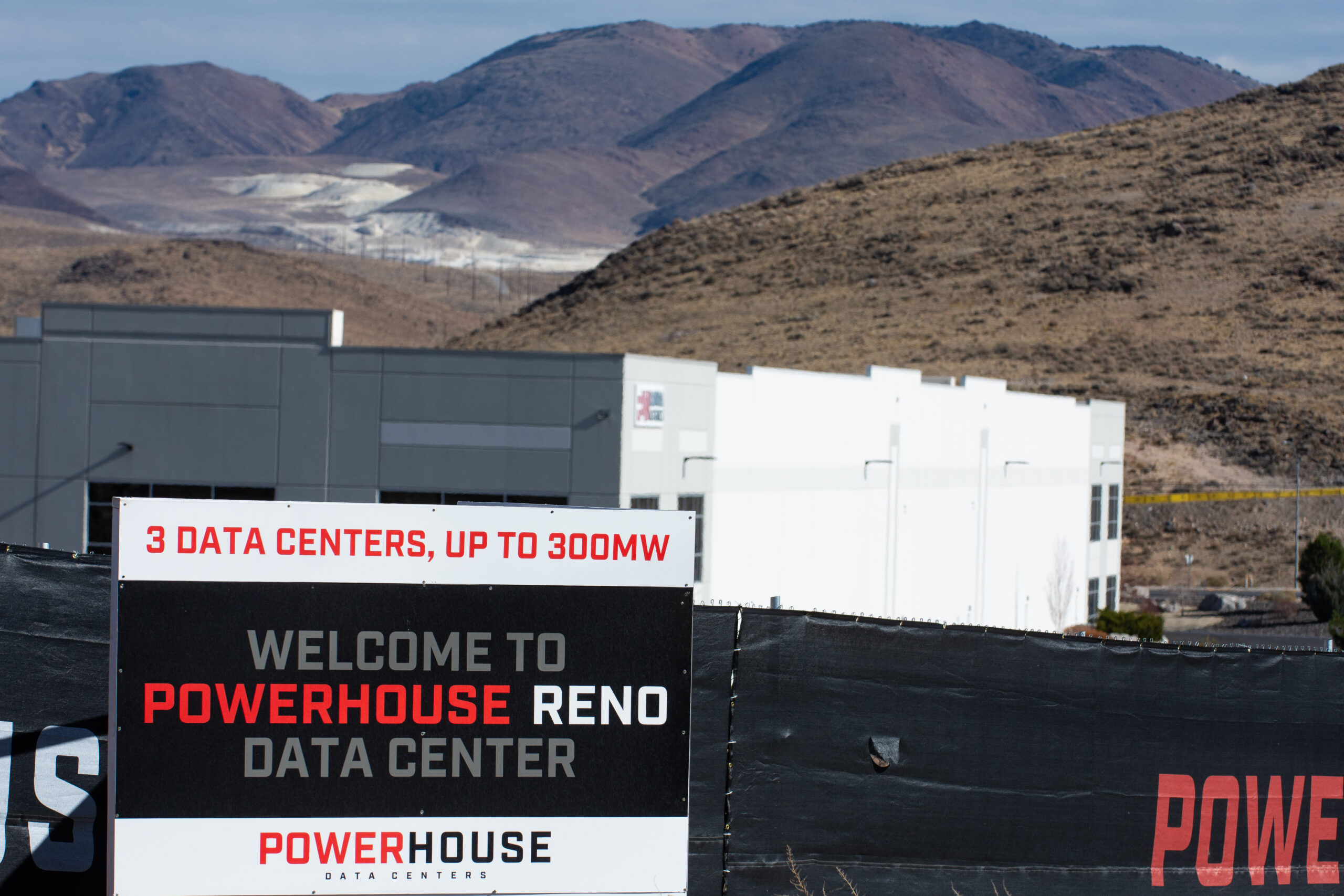
Just weeks after a developer asked state energy regulators to let it build its own temporary natural gas plant to power Northern Nevada data centers, another developer is asking regulators to approve an even larger, permanent gas plant to power additional data centers.
As the AI data center gold rush in Northern Nevada expands with ever-larger hyperscale projects taking shape, SB254 is looking like a relic of a distant past.
City staff will work in the coming months to craft a proposal that encompasses suggestions from the public, outside groups council members and regional officials who have been studying the issue for more than a year.
Most of the Nevadans I've spoken with aren't railing against technology. They're concerned about the voracious energy and water consumption and the heat mitigation efforts associated with data centers.
From the governor's race to a contest for a rural county commission seat, data centers have emerged as a central issue in elections up and down — and even on — Nevada ballots this year amid growing public opposition.
It's not surprising that a new Gallup poll finds 71 percent of Americans are opposed to having artificial intelligence (AI) data centers in their communities. That's far higher than the 53 percent who are against having a nuclear power plant in their area.
It's important to remember that most of the winners of the data center construction boom aren't tech broligarchs min-maxing their nootropic stack so they can produce 7 percent more efficient vibe code prompts.
In what experts say is a first for Nevada, a data center developer is asking permission from state energy regulators to operate a new temporary natural gas power plant because NV Energy doesn't have the capacity to immediately serve it — potentially skirting parts of the state's regulatory process.
It would be a mistake for public officials to doubt the depth of the sincerity and the growing concern behind the comments of those who turned out — again — to speak out against what many perceive as an existential threat to their community.
Like most other communities, city council meetings in Boulder City are not particularly well attended. But you don't have to scratch far to find a critic of the data center idea.
There are significant disagreements about whether the industry's economic benefits are worth the combined $457 million in projected tax abatements that Nevada has doled out over the past decade.
Data center power usage has been described as being similar to large mining operations and other intensive manufacturing industries, but it's a shallow comparison. Post-construction job creation is nominal.