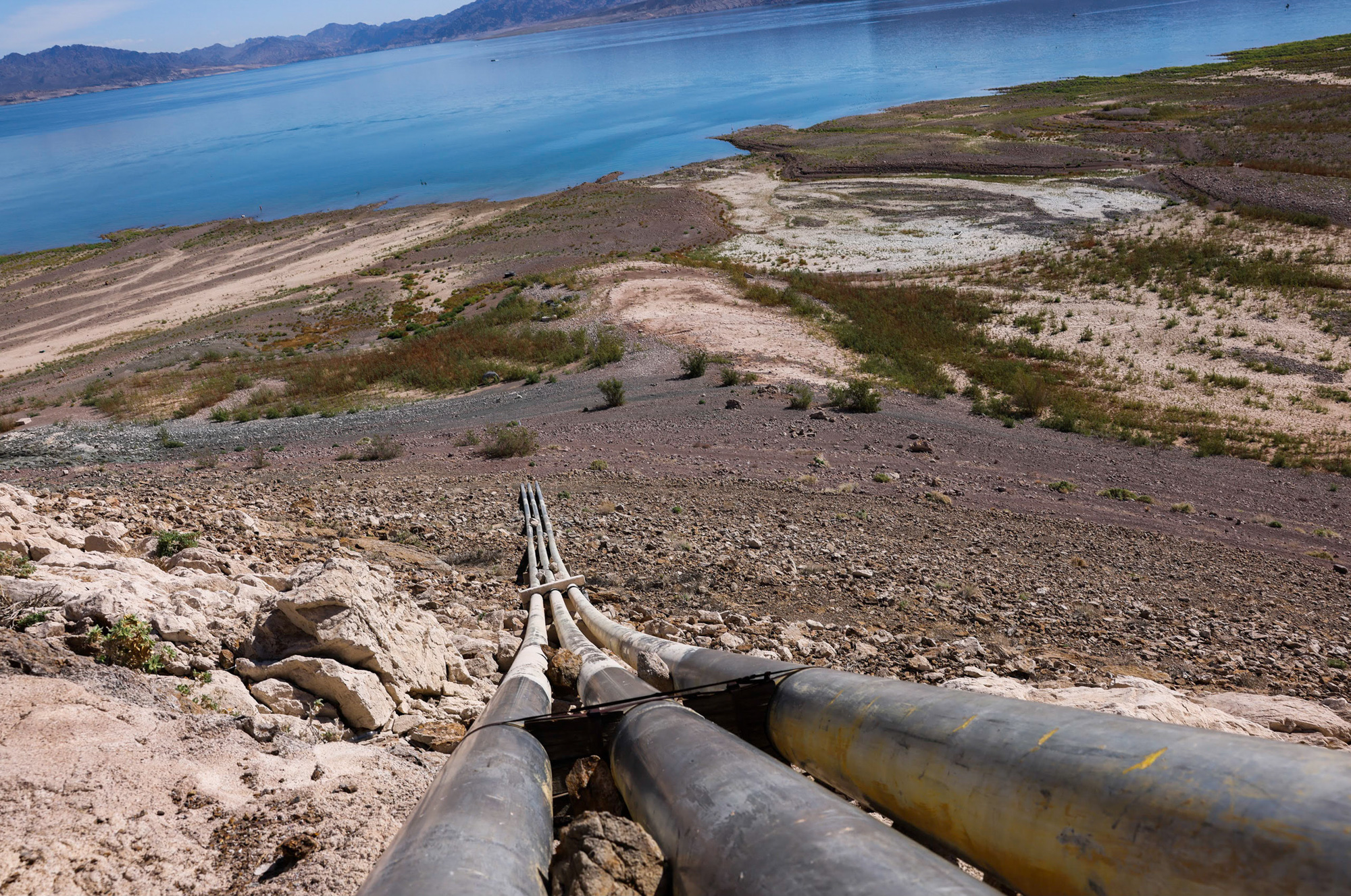
Arizona is joining Nevada's legal challenge to the federal government's new Colorado River rules, adding the state facing the deepest near-term cuts to the fight over how federally mandated cuts are divided among the seven basin states.
Scientists from Nevada and around the world are tracking species that are on their way to being extinct — plants and animals they refer to as "lost," meaning they haven't been seen in years, but scientists aren't quite sure if they are yet extinct.
Suscríbase a nuestros boletines
The Daily Indy
Sunday-Friday
Sign up to get exclusive Nevada news and analysis right in your inbox.
Includes Sunday Edition

Indy Elections
Every Tuesday
Our reporters take you beyond the sound bites to dig into Nevada politics, delivering scoops and smart analysis on key races and important policy issues.

Indy Environment
Monthly
From hiking trails to town hall meetings, Amy Alonzo breaks news on the environmental beat and curates the best land, water and energy journalism in the West.

Indy Education
Twice monthly
Get schooled as Rocio Hernandez takes you inside Nevada’s K-12 education system, delivering insightful policy news and exclusive interviews with movers and shakers.

Indy Gaming
Every other Wednesday
Veteran reporter Howard Stutz explores what’s innovative and interesting in Nevada’s gaming, sports and hospitality industries and its interplay with global trends.
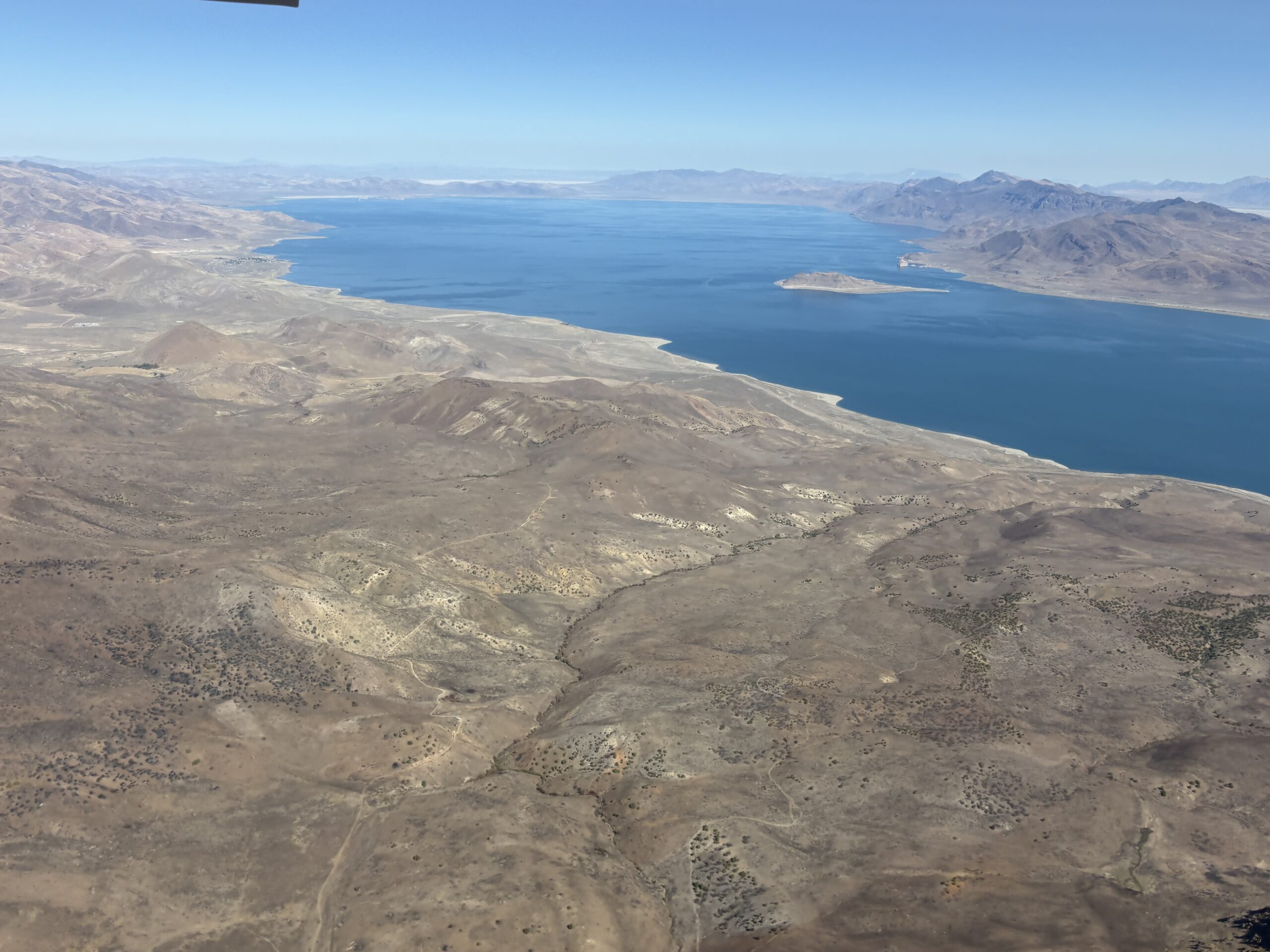
A Colorado renewable energy developer has submitted applications to build 2,000 megawatts of utility-scale solar across a mix of public and private land southeast of Pyramid Lake and east of Reno.
A proposed federal rule change could open millions of acres across some of Nevada's most pristine landscapes to road building and commercial logging, while another change could substantially expand off-road vehicle access into closed areas.
By 2030, at least six new mining projects are predicted to be extracting lithium from American soil and another 13 will soon follow, according to a database compiled by Columbia Journalism Investigations and Inside Climate News.
The Nevada Independent built an interactive map showing Washoe County's wildfire hazard zones down to the address level along with outlines of past and recent wildfires.
How does a project in fire-prone terrain make it through? Why does building continue there at all? And what resources exist for the people who end up living there?
Nevada is losing more than $5 million in federal funding after the Department of the Interior (DOI) last month refused to issue funding for more than 100 previously approved National Park Service agreements.
There are more than 70 data centers either operating in or planned for Nevada, but Nevadans are turning out in droves at public meetings to protest them. Despite this public disdain, almost everyone uses them. In this explainer, The Indy separates data center facts from fiction.
The groundbreaking capped more than 15 years of research, testing and planning, and once complete, officials say the facility will reduce the region's reliance on the Truckee River and provide a locally controlled water source for residents.
A very strong, or "super," El Niño, is forecast for this winter. Historical records, however, show that even very strong El Niños have variable effects on Nevada, with some portions of the state receiving above-normal precipitation and other portions receiving below-normal precipitation.
Nevada's lawsuit comes after states and the federal government have been in tense negotiations over how to manage the Colorado River after current guidelines expire at the end of this year.
The lawsuit challenges the record of decision released Friday, which governs how Colorado River water is divided among the seven basin states. Under the decision, Nevada's 300,000-acre-foot allocation could be cut by up to 213,556 acre-feet.
After a series of catastrophic blazes in the early 1900s, the U.S. Forest Service mandated the "10 a.m. rule," declaring that wildland fires should be put out by 10 a.m. the day after they were reported. The plan backfired, leaving forests with debris that fueled more dangerous fires.
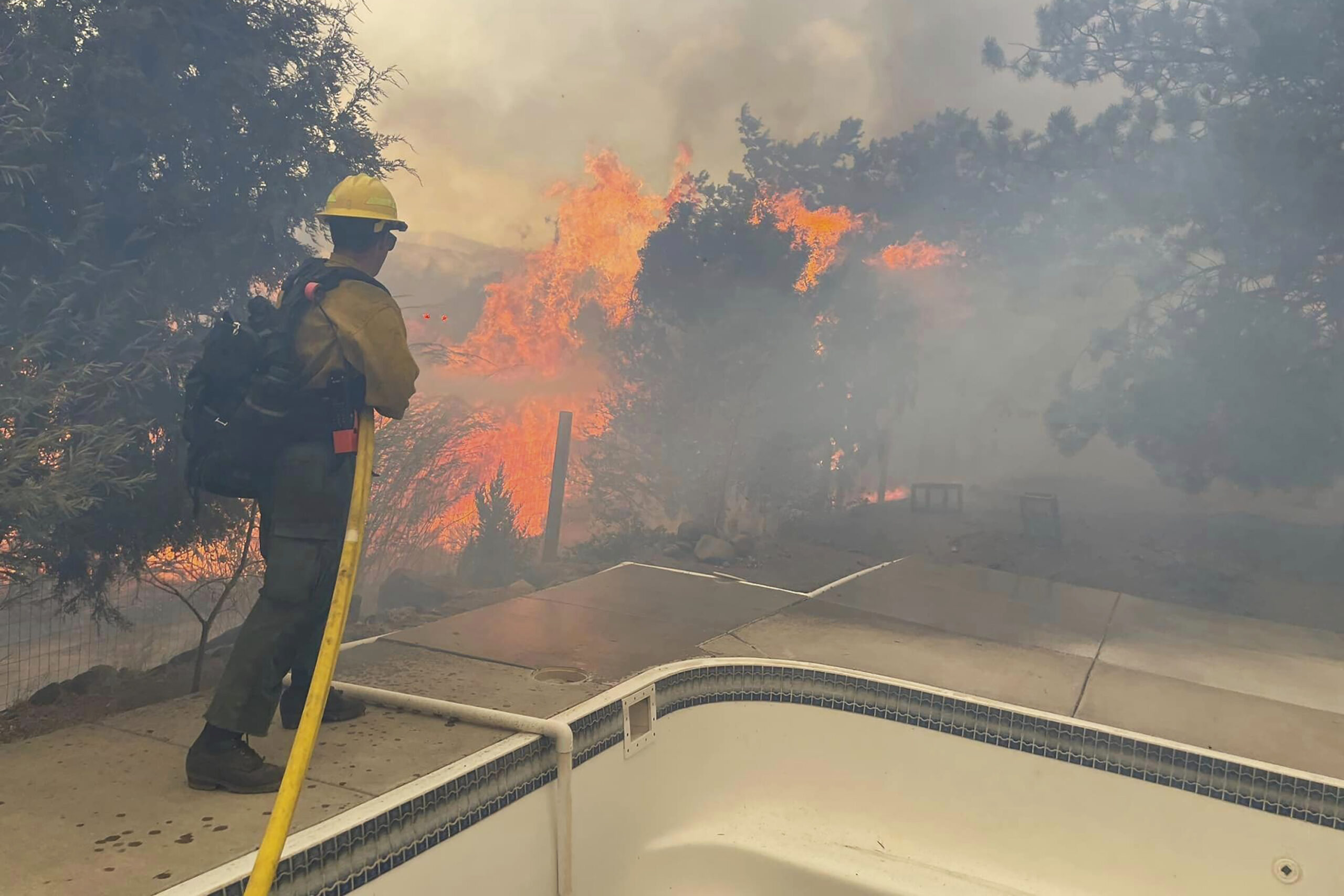
Fast-moving fires have burned millions of acres and destroyed hundreds of homes and buildings in the West, including hundreds of thousands of acres in Nevada. The Indy partnered with five other nonprofit newsrooms in the West to show how on-the-ground changes made by the Trump administration have affected the ability to fight fires amid increasingly destructive conditions.
In a typical year, fires break out in different parts of the West at different times so resources can shift from one to the next without every state needing help simultaneously. This year, fires were burning across the region at the same time, leaving little slack anywhere.
Since January 2023, the Las Vegas Valley Water District has charged residential customers a flat $9 for every 1,000 gallons they use beyond a seasonal threshold — roughly five times the district's base tier rate, and nearly 1.5 times its top-tier rate.
The Bug Fire, which absorbed the Fred Mountain Fire this week, had grown to more than 66,000 acres as of Wednesday morning, while the Stallion Fire had burned more than 33,000 acres, though both fires are uncontained.