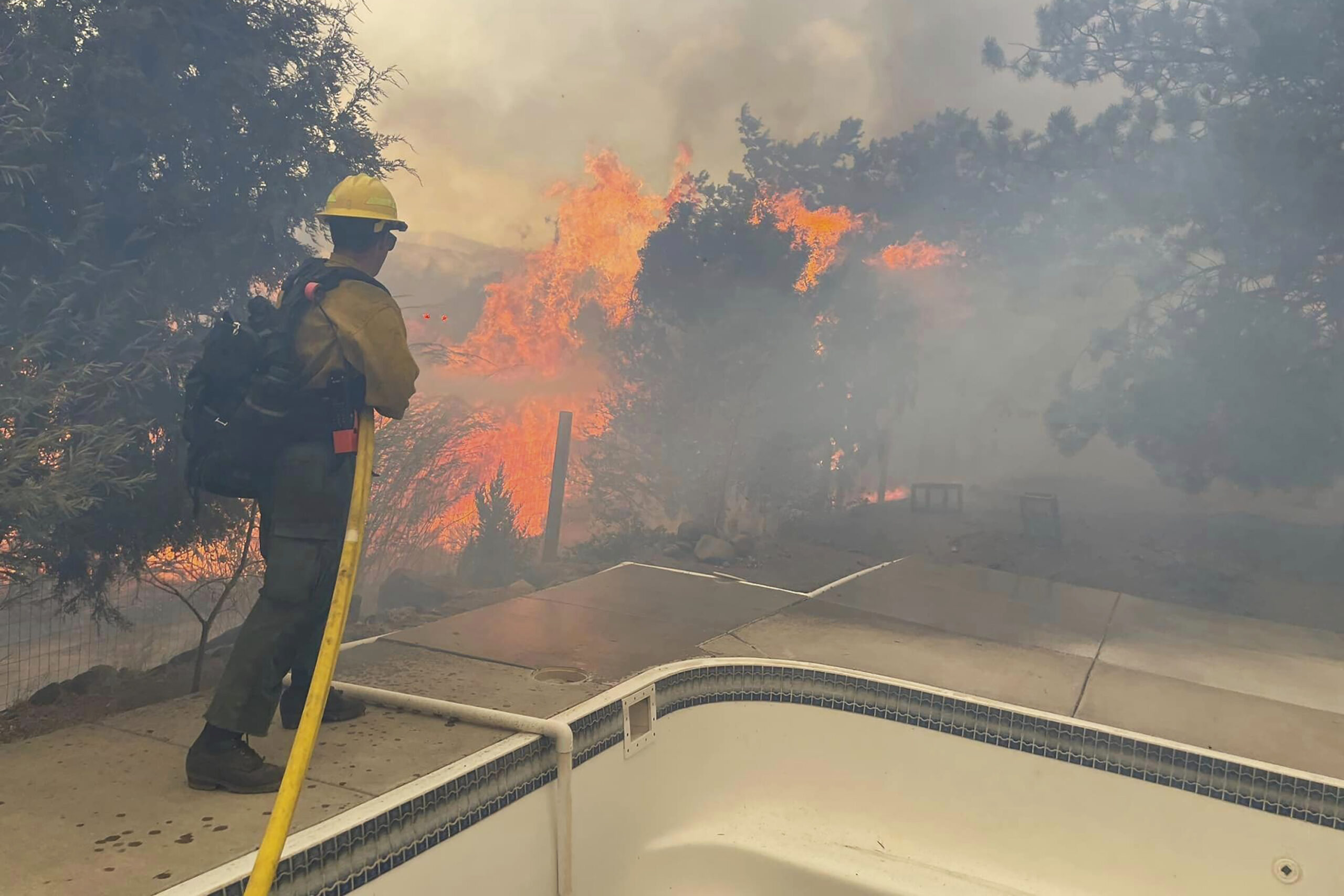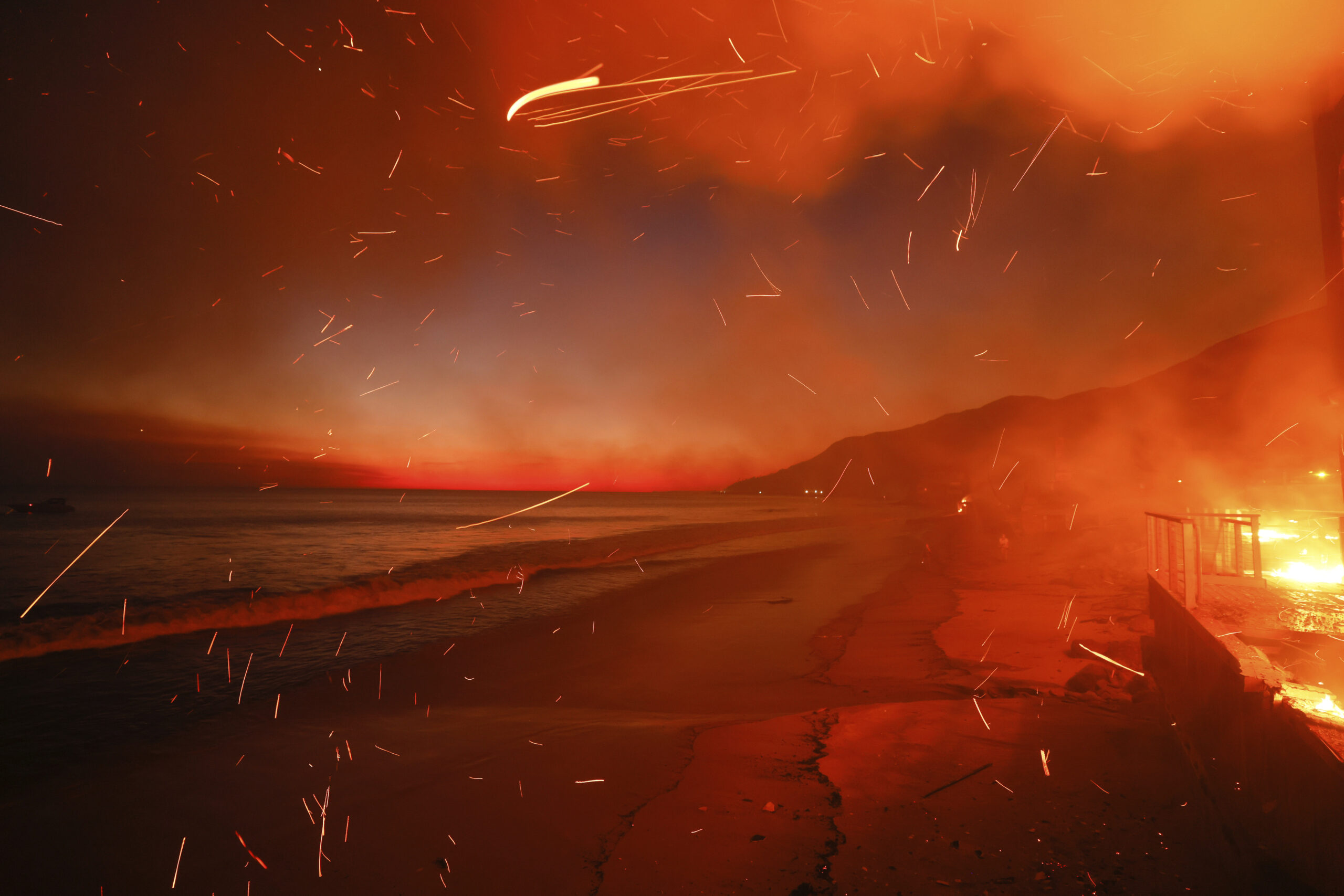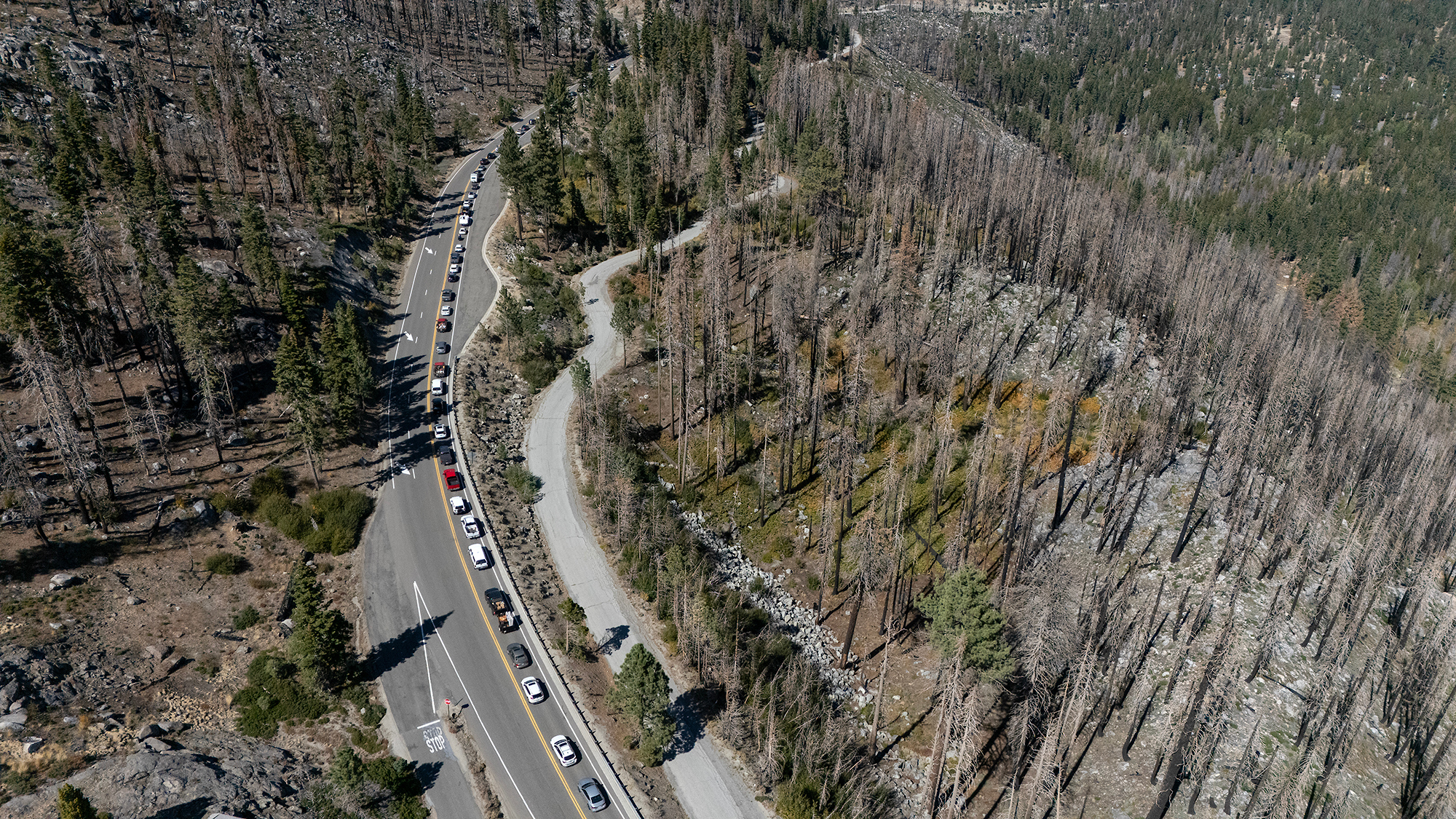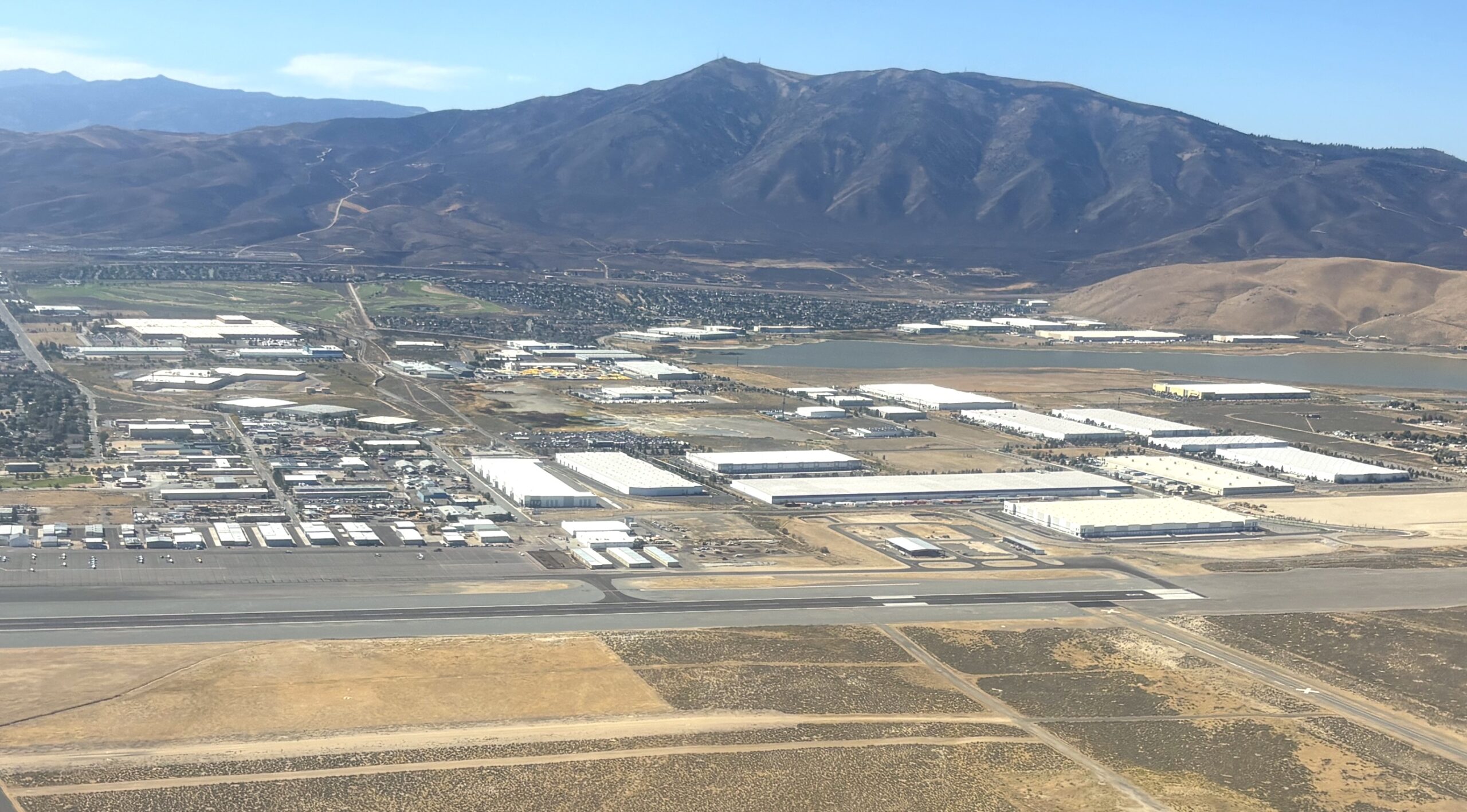
Fast-moving fires have burned millions of acres and destroyed hundreds of homes and buildings in the West, including hundreds of thousands of acres in Nevada. The Indy partnered with five other nonprofit newsrooms in the West to show how on-the-ground changes made by the Trump administration have affected the ability to fight fires amid increasingly destructive conditions.
After a series of catastrophic blazes in the early 1900s, the U.S. Forest Service mandated the "10 a.m. rule," declaring that wildland fires should be put out by 10 a.m. the day after they were reported. The plan backfired, leaving forests with debris that fueled more dangerous fires.
Suscríbase a nuestros boletines
The Daily Indy
Sunday-Friday
Sign up to get exclusive Nevada news and analysis right in your inbox.
Indy Elections
Every Tuesday
Our reporters take you beyond the sound bites to dig into Nevada politics, delivering scoops and smart analysis on key races and important policy issues.

Indy Environment
Monthly
From hiking trails to town hall meetings, Amy Alonzo breaks news on the environmental beat and curates the best land, water and energy journalism in the West.

Indy Education
Twice monthly
Get schooled as Rocio Hernandez takes you inside Nevada’s K-12 education system, delivering insightful policy news and exclusive interviews with movers and shakers.

Indy Gaming
Every other Wednesday
Veteran reporter Howard Stutz explores what’s innovative and interesting in Nevada’s gaming, sports and hospitality industries and its interplay with global trends.
In a typical year, fires break out in different parts of the West at different times so resources can shift from one to the next without every state needing help simultaneously. This year, fires were burning across the region at the same time, leaving little slack anywhere.
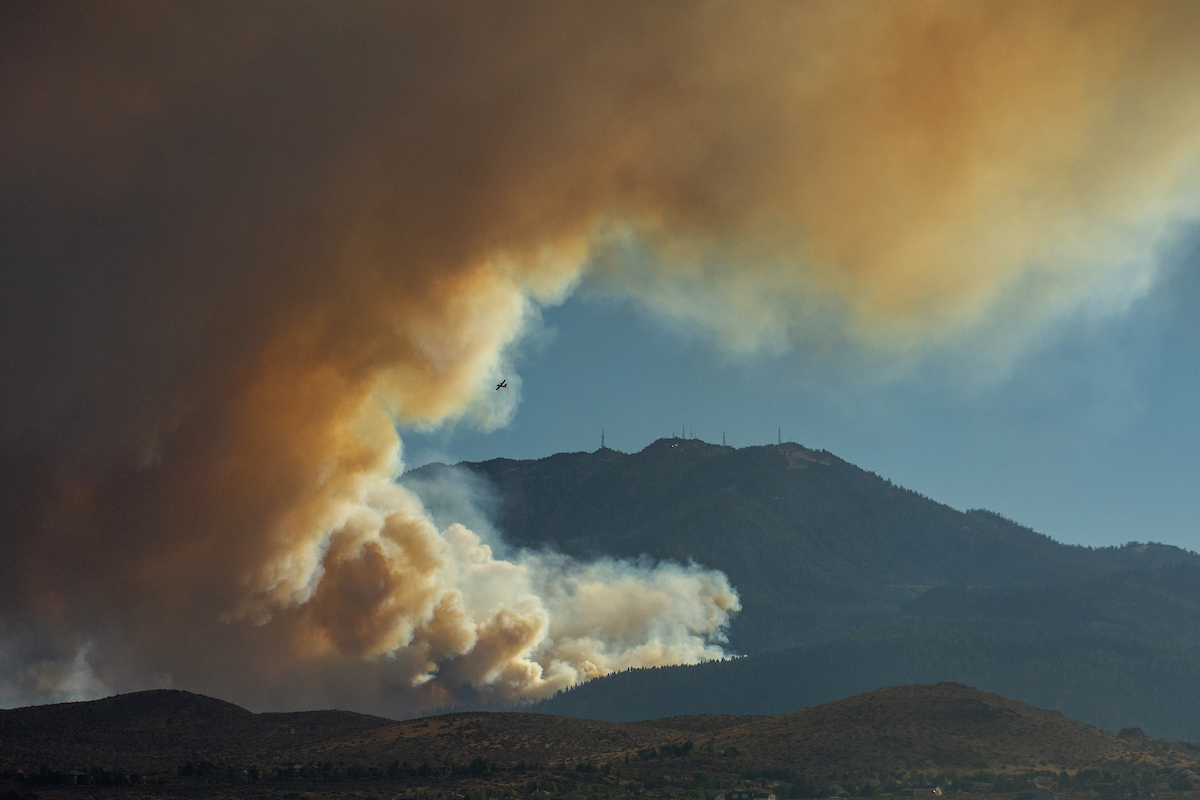
The Bug Fire, which absorbed the Fred Mountain Fire this week, had grown to more than 66,000 acres as of Wednesday morning, while the Stallion Fire had burned more than 33,000 acres, though both fires are uncontained.
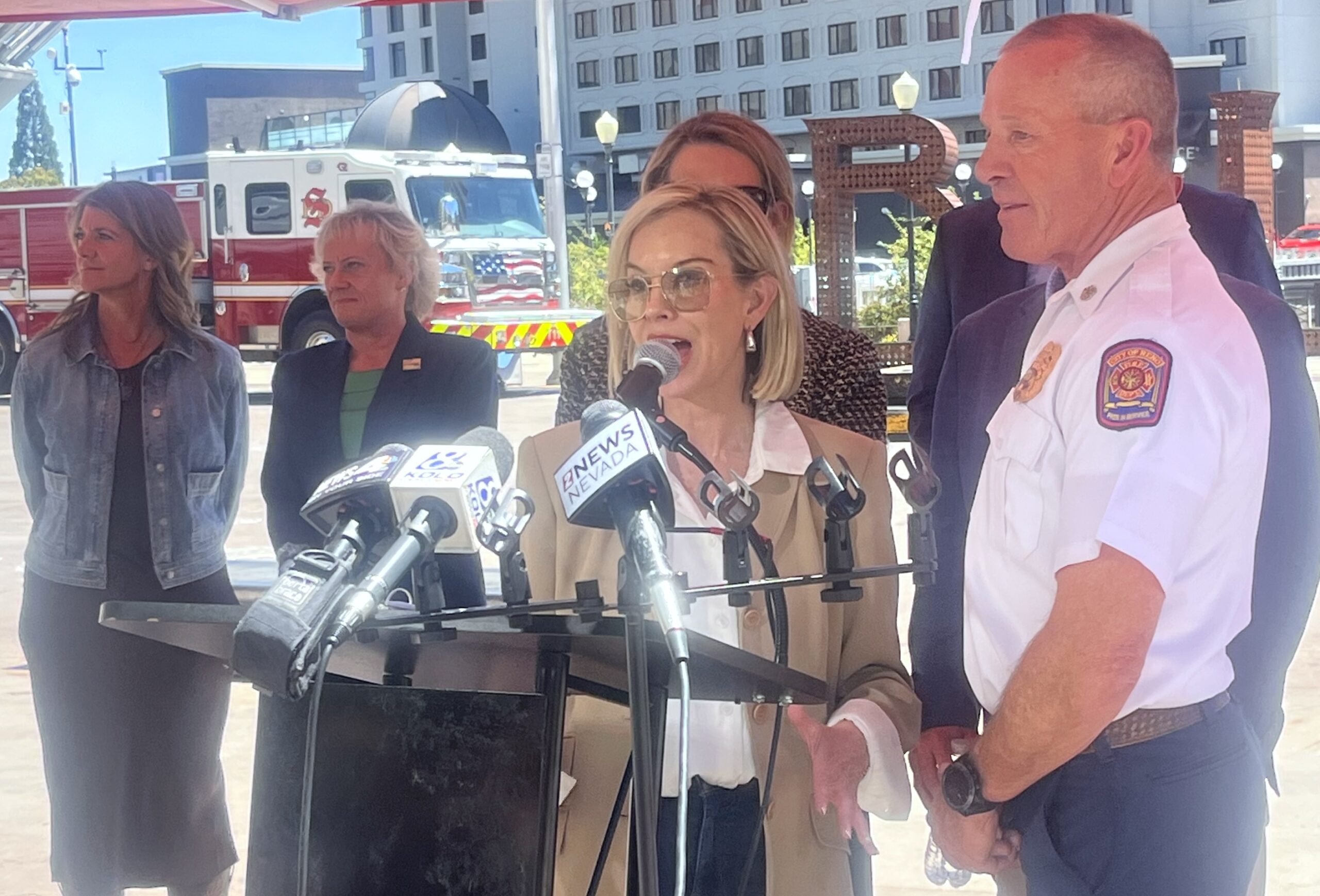
In a move that officials stressed is not consolidation, Reno and Sparks city councils have unanimously voted to join their fire departments under one chief.
More than 60 percent of the homeowner insurance cancellations in 2024 were in Washoe County, which houses eight of the top 10 ZIP for cancellations and declinations.
After seeking to collect a half billion dollars from customers to bolster its wildfire insurance, NV Energy has secured an additional $250 million in coverage. But Nevada's largest electric utility is still moving forward with its request to have ratepayers help foot the bill for a $500 million self-funded policy the utility can tap in the event its infrastructure causes a catastrophic blaze.
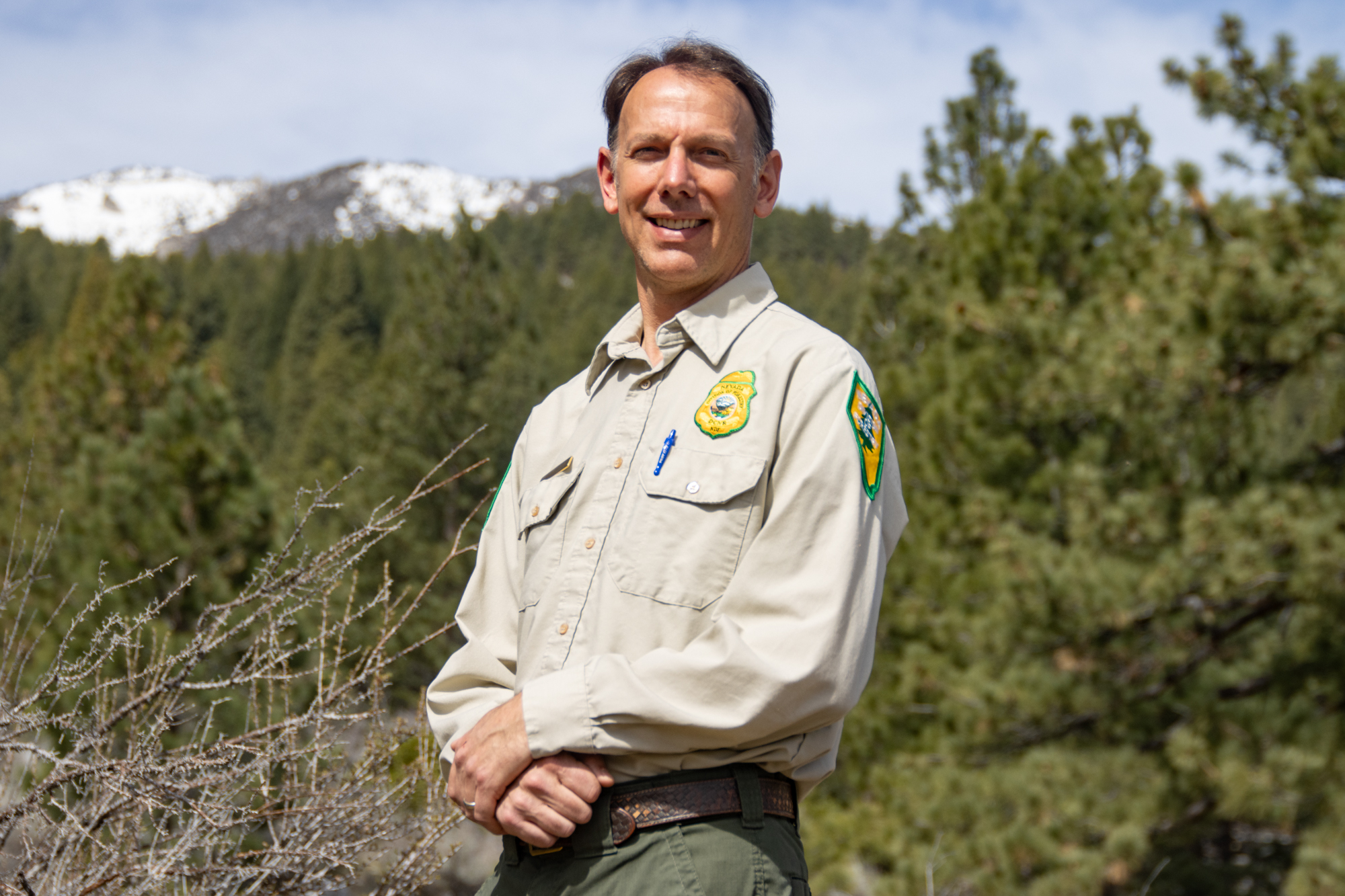
When Ryan Shane saw an ad for a forester with the Nevada Division of Forestry, it felt as if the job was made for him. That was nearly 20 years ago; now, he will lead the division as state forester and fire warden.
Kacey KC turned a love of the outdoors into a lengthy state career, becoming Nevada's first female forester and fire warden. She left the state in February to take over the Oregon Department of Forestry.
Nevada lawmakers have enacted a first-of-its-kind law designed to keep insurance companies operating in the state as more insurers grow squeamish about doing business in wildfire-prone areas. But opponents worry the bill could make the insurance crisis worse.
The ways wildfires start are innumerable but they almost always have one thing in common: humans. This month, we look at how increased recreation leads to higher fire danger, potentially higher wildfire insurance rates and more restrictive access to outdoor spaces.
After a recent audit showed it failed to bill for tens of millions of dollars in firefighting services performed in other states, the Nevada Division of Forestry (NDF) has recovered more than two-thirds of that money, according to State Forest and Fire Warden Kacey KC.
The proposed creation of a $3.7 billion U.S. Wildland Fire Service at the Department of Interior has raised some eyebrows. Nevada fire officials say whether they are one firefighting agency or several, they will continue to work together.
Fire officials are touting interagency cooperation, recent legislation and one-time state and federal funding as being instrumental to battling Nevada's wildfires this season.
The research shows that from 2006 to 2020, fires made worse by climate change contributed to about 15,000 U.S. deaths due to exposure to tiny particles, which are linked to serious health issues.
The Nevada Division of Forestry (NDF) provided more than $32 million worth of firefighting equipment and services to other states between 2020 and 2024 without billing for those services, according to a state audit of the division.
With the state's wildfire season growing longer and more intense, Nevada Division of Forestry officials would like to enter an interstate wildfire compact — but they are unclear on how to legally do that.
Two of Nevada's leading wildfire experts — Tim Brown, director of the Western Regional Climate Center at the Desert Research Institute, and Christina Restaino, director of the Living With Fire program at UNR — offer insight into why wildfires have gotten so bad, their hidden costs and the mitigation efforts that are needed from local up to federal levels.