
3 takeaways from Nevada's latest education data release


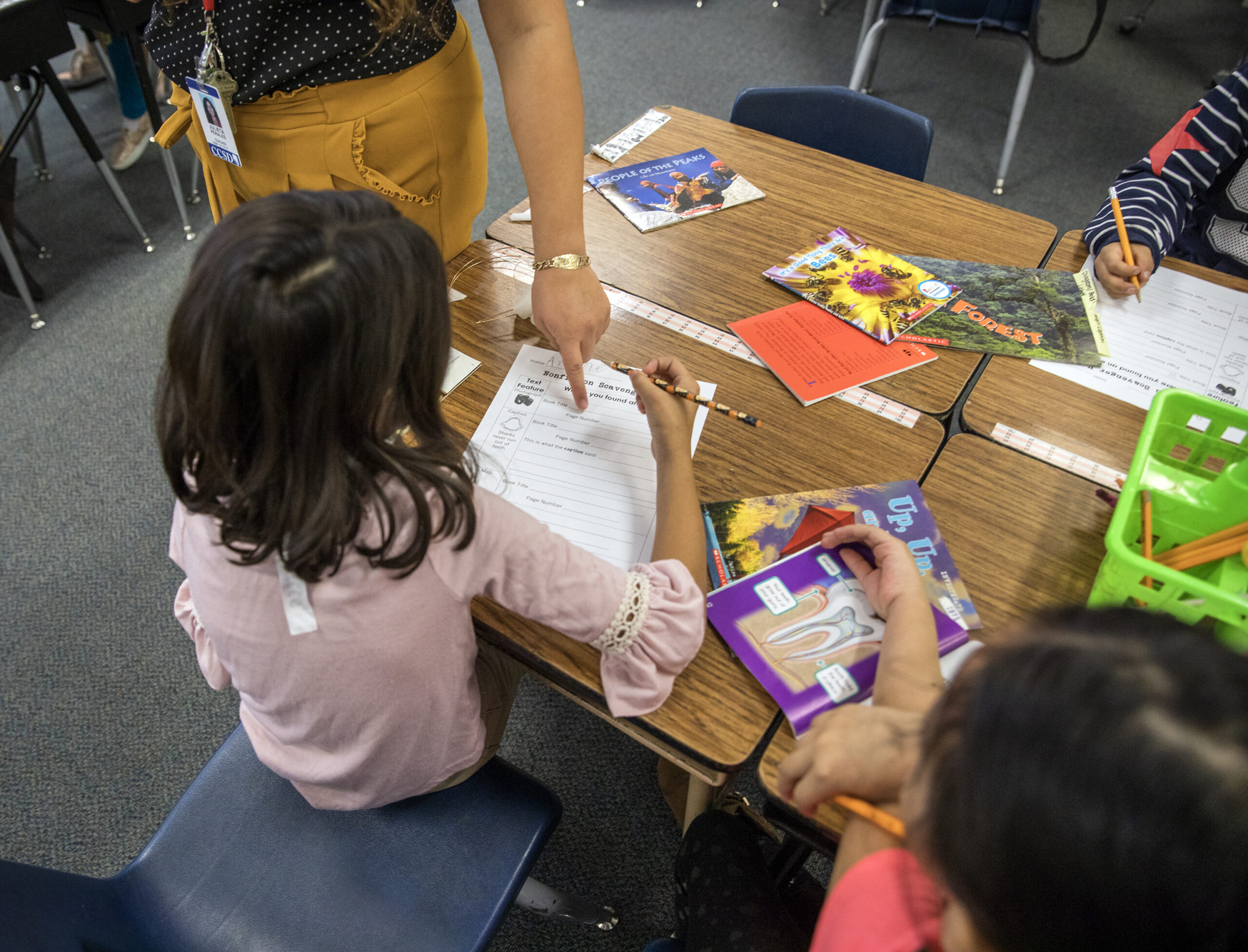
Reading proficiency among Nevada students in grades 3 through 8 dropped, just a tick, for the first time in three years, according to statewide data from the most recent school year released Tuesday by the Nevada Department of Education.
While it was a small drop, it's the first one since Nevada lawmakers passed historic increases in K-12 education funding in 2023. It's also the first time in years there was a fall in the number of schools rated five stars, the highest rating that recognizes superior schools that exceed expectations for all students and groups.
See more of The Indy's takeaways below.
Proficiency rates mixed, but top official not surprised
Less than half of students in third through eighth grades were proficient in English Language Arts. The latest proficiency rate of 45.2 percent for that age range is down 0.4 percentage points compared with the 2024-25 school year.
Notably, the reading proficiency rate for third graders, about 45 percent, is on par from the prior year. The state is two years from the start of a policy to hold back underperforming third graders from moving to the next grade, which has drawn backlash from some county superintendents.
"There's sort of a next frontier that we have to pursue to really improve literacy at scale," Nevada State Superintendent of Public Instruction Victor Wakefield told reporters on Monday.
The math numbers showed slight improvement, though proficiency rates are less than the reading ones.
Fewer than 40 percent of students in third through eighth grade were proficient in math, according to the latest standardized test results. The latest math proficiency rate, 36.2 percent, is up by 0.8 percentage points from the previous year, though they decreased as students got older.
"I think that's a good example of educators really needing to have that background, strong background, and fluency in math, especially as the content shifts to those higher level lessons," Wakefield said.
He added that he was not surprised by the proficiency data, which he characterized as "flat" for reading and math.
"The most important headline from the data, though, is that the majority of Nevada students aren't yet meeting grade level expectations," he said.
Decline among 5-star schools
After an increase in schools rated as five stars during the 2024-25 school year, things went backward.
About 14 percent of public schools were rated as 5-star in 2025-2026. That's down from 17 percent the previous year, but still higher than two years ago.
Meanwhile, the rate of 1-star schools has increased from about 16 percent last year to nearly 19 percent in 2025-26.
Wakefield said the "trends underscore the need for coordinated statewide strategy for improving student outcomes." The state's goal is to increase the number of students in a highly rated school — currently at 35 percent — to 45 percent within five years.
He added that because the star system encompasses many factors — from absenteeism rates to enrollment — it is difficult to pinpoint the exact reason for the changes.
"That is oftentimes so contextual to what is unique about individual schools, that's where I think the most important insights and nuance come from," he said.

District rating system unveiled
For the first time, Nevada is also rating districtwide performance. The districts' rating system has three levels, starting at Level 1 for school districts who do not meet performance expectations, Level 2 for districts with intermediate performance and Level 3 for districts who exceed performance expectations.
Three school districts had the highest rating — Eureka County, Carson City and the state's public charter school system — and two school districts had the lowest grade: Elko and Lander counties. Nye County also originally had the lowest grade, but the state later said that was a mistake.
Republican Gov. Joe Lombardo advocated for the creation of the school district rankings during the 2025 legislative session as part of his push to hold schools accountable for student performance. The policy was eventually added to the compromise SB460, which was sponsored by Senate Majority Leader Nicole Cannizzaro (D-Las Vegas).
The framework rates school districts based on their schools' ratings and overall financial stability, opportunities in college and career readiness coursework, whether they use high-quality instructional material, what share of classrooms are taught by a qualified teacher and whether there's comparable access to qualified teachers at Title I and non-Title I schools.
This year's results will serve as a baseline of districts' performance. Starting next fall, districts that are designated as low performing will receive additional support or interventions. Beginning fall 2028, a low-performing grade for two consecutive years will trigger increased support and interventions. By the following year, underperforming districts could face stricter interventions, including state oversight.
Updated on 9/15/26 at 10:40 a.m. to include specifics about school districts' ratings. The story and a graphic were also updated on 9/29/26 at 4:50 p.m. because the state caught an error in Nye County schools rating.
Support Independent Elections Coverage and Journalism in Nevada
You’ve enjoyed unlimited access to our reporting because we’re committed to providing independent, accessible journalism for all Nevadans.
But sustaining this work — informing communities, holding leaders accountable, and strengthening civic life — depends on readers like you.
Nevada needs strong, independent journalism. Will you join us?
A gift of any amount helps keep our reporting free and accessible to everyone across our state and funds our elections coverage.
Choose an amount or learn more about membership