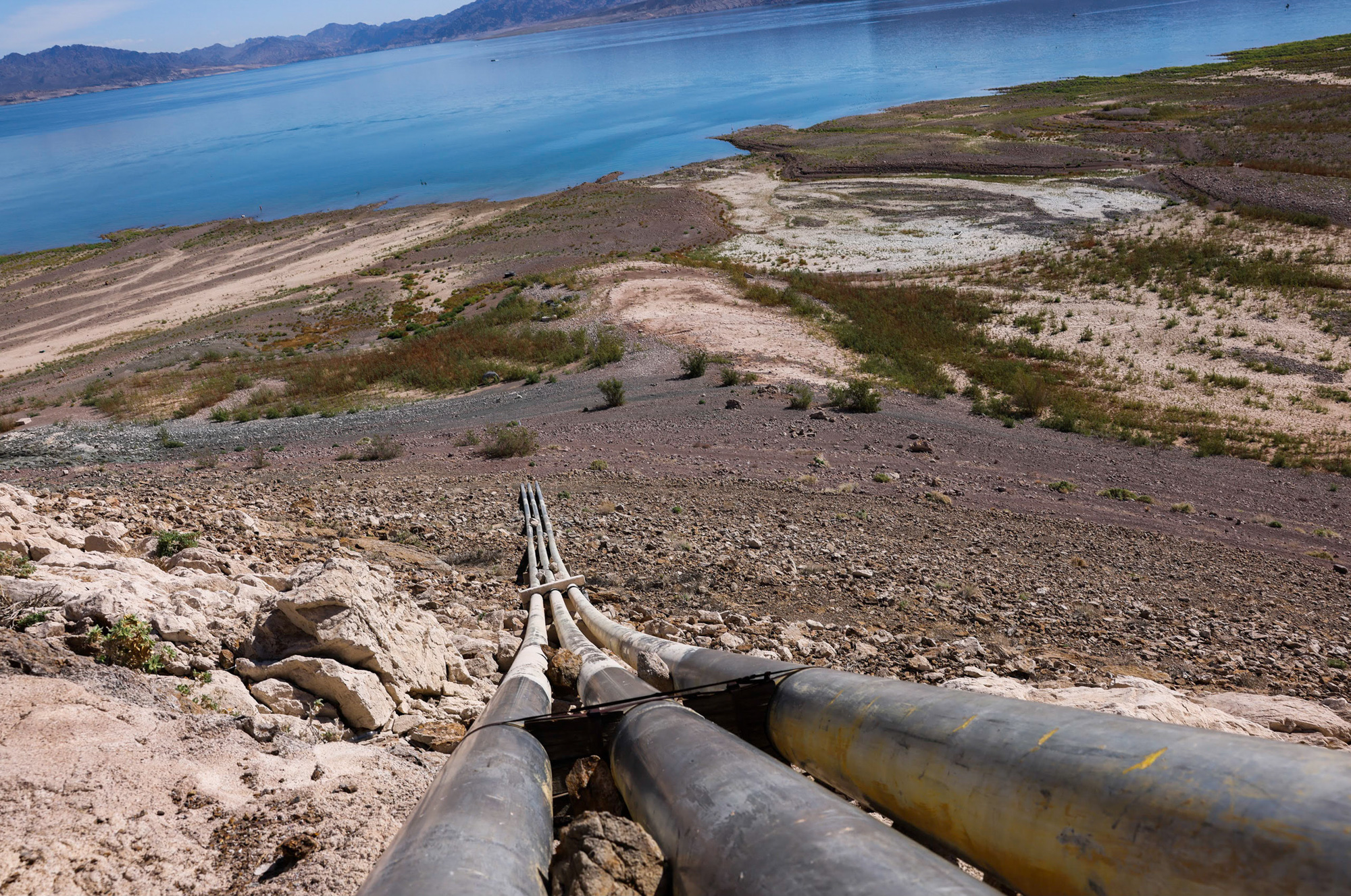
Nevada's lawsuit comes after states and the federal government have been in tense negotiations over how to manage the Colorado River after current guidelines expire at the end of this year.
The lawsuit challenges the record of decision released Friday, which governs how Colorado River water is divided among the seven basin states. Under the decision, Nevada's 300,000-acre-foot allocation could be cut by up to 213,556 acre-feet.
Sign up for our newsletters
The Daily Indy
Sunday-Friday
Sign up to get exclusive Nevada news and analysis right in your inbox.

Indy Elections
Every Tuesday
Our reporters take you beyond the sound bites to dig into Nevada politics, delivering scoops and smart analysis on key races and important policy issues.

Indy Environment
Monthly
From hiking trails to town hall meetings, Amy Alonzo breaks news on the environmental beat and curates the best land, water and energy journalism in the West.

Indy Education
Twice monthly
Get schooled as Rocio Hernandez takes you inside Nevada’s K-12 education system, delivering insightful policy news and exclusive interviews with movers and shakers.

Indy Gaming
Every other Wednesday
Veteran reporter Howard Stutz explores what’s innovative and interesting in Nevada’s gaming, sports and hospitality industries and its interplay with global trends.

After a series of catastrophic blazes in the early 1900s, the U.S. Forest Service mandated the "10 a.m. rule," declaring that wildland fires should be put out by 10 a.m. the day after they were reported. The plan backfired, leaving forests with debris that fueled more dangerous fires.
Fast-moving fires have burned millions of acres and destroyed hundreds of homes and buildings in the West, including hundreds of thousands of acres in Nevada. The Indy partnered with five other nonprofit newsrooms in the West to show how on-the-ground changes made by the Trump administration have affected the ability to fight fires amid increasingly destructive conditions.
In a typical year, fires break out in different parts of the West at different times so resources can shift from one to the next without every state needing help simultaneously. This year, fires were burning across the region at the same time, leaving little slack anywhere.
Since January 2023, the Las Vegas Valley Water District has charged residential customers a flat $9 for every 1,000 gallons they use beyond a seasonal threshold — roughly five times the district's base tier rate, and nearly 1.5 times its top-tier rate.
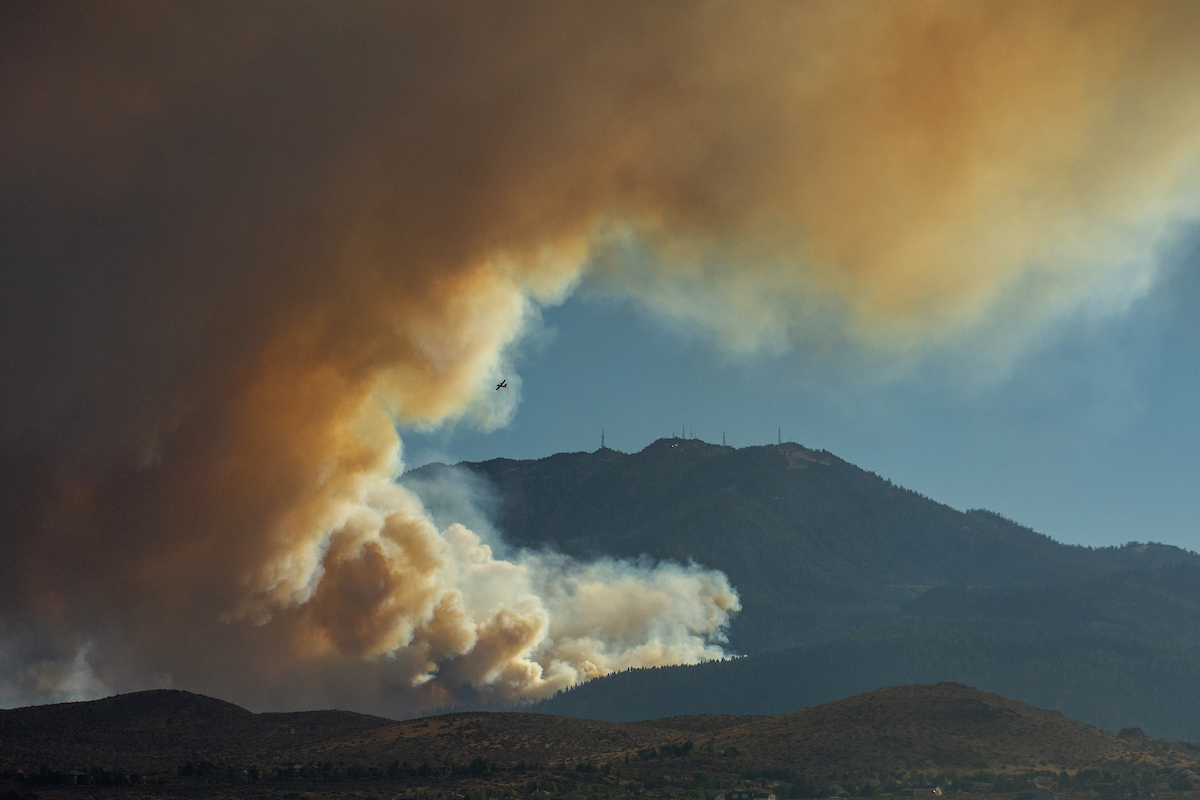
The Bug Fire, which absorbed the Fred Mountain Fire this week, had grown to more than 66,000 acres as of Wednesday morning, while the Stallion Fire had burned more than 33,000 acres, though both fires are uncontained.
For nearly two years, the developer of the Tahoe-Reno Industrial Center has traded legal barbs with the quasi-governmental entity that provides water to companies.
Nevada will give up 50,000 acre-feet of Colorado River water a year over the next two years under a federal operating framework released Friday that cuts distributions to three states.
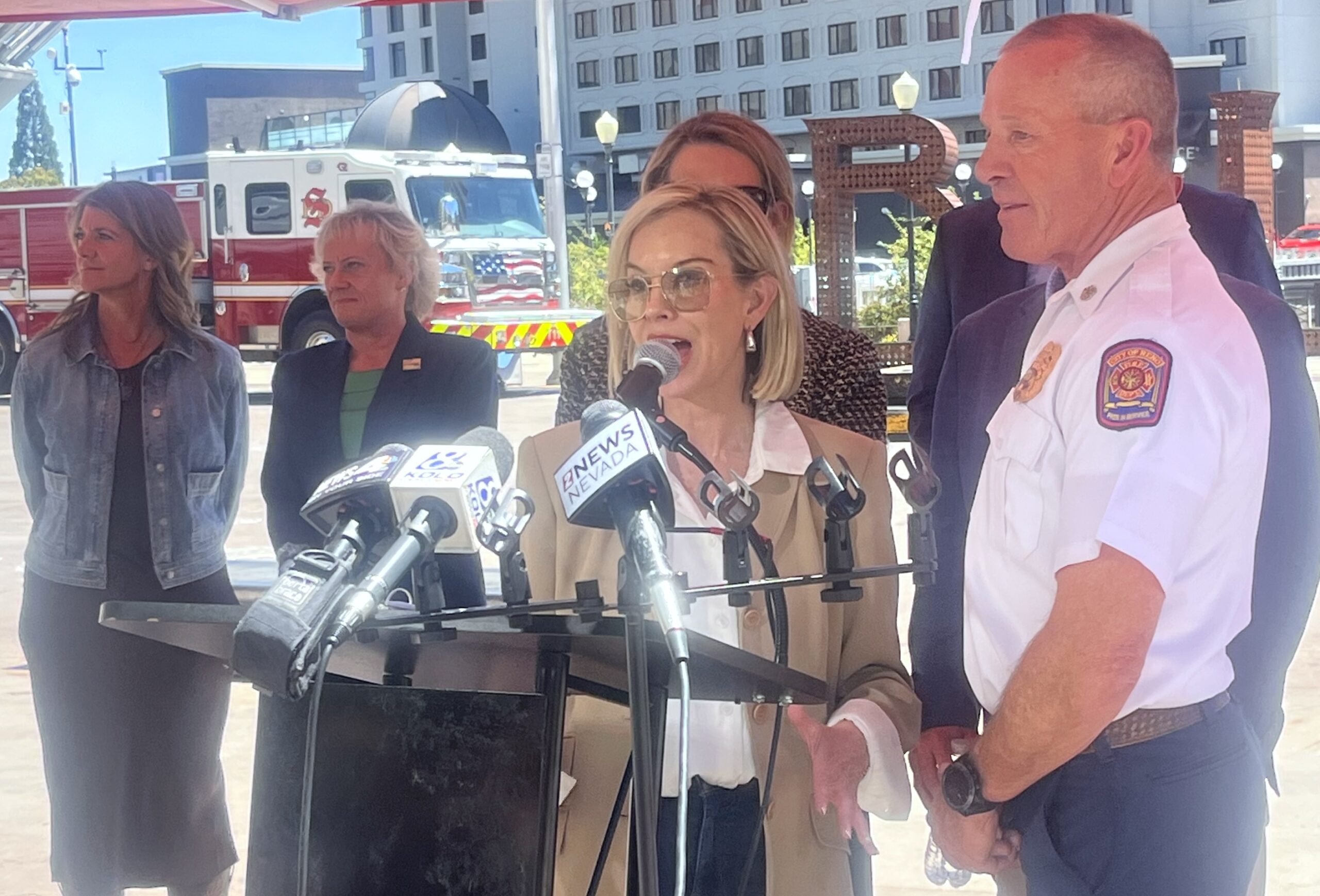
In a move that officials stressed is not consolidation, Reno and Sparks city councils have unanimously voted to join their fire departments under one chief.
The Nevada Department of Wildlife's Karelian Bear Dogs have become indispensable components of the department's operations, flushing bears from urban dens, locating injured bears and hazing human-habituated bears by chasing and nipping at them as they are released back into the wild. The goal is to ensure bears can still live in places such as Tahoe that are now teeming with humans.
Opponents to the federal government's efforts to sell 2,000 acres of public land in and around the Anaconda Copper Mine site to Atlantic Richfield Company are optimistic their plea for a preliminary injunction will be granted by a federal judge.
More than 60 percent of the homeowner insurance cancellations in 2024 were in Washoe County, which houses eight of the top 10 ZIP for cancellations and declinations.
The Nevada State Engineer's Office has issued cease-and-desist letters to the developer of what will be the largest solar project in the state, accusing the company of illegally pulling water for construction from a nearby geothermal plant and a local rancher in Lyon County.
A more than 1,600-acre land conveyance to the state is being turned into Nevada's 28th, and newest, state park. The property, which started as an agricultural ranch before operating as a divorce ranch in the 1940s and serving as a testing ground for U.S. Army military vehicles, is located about 5 miles east of Dayton State Park and borders the Carson River for 4.5 miles.
Just weeks after a developer asked state energy regulators to let it build its own temporary natural gas plant to power Northern Nevada data centers, another developer is asking regulators to approve an even larger, permanent gas plant to power additional data centers.
Together, Great Basin and Lake Mead face between $431 million and $501 million in deferred maintenance projects. Zooming out to include all the state's federally managed areas, including Red Rock Canyon National Conservation Area and part of Death Valley National Park, Nevada's federal lands have almost $1 billion in deferred maintenance repairs.
Dive team operations at Southern Nevada's Lake Mead National Recreation Area, consistently ranked as one of America's most deadly federal recreation sites, have quietly been suspended because of staffing shortages and unmet equipment and training needs.