
Much of Nevada plagued by snow drought

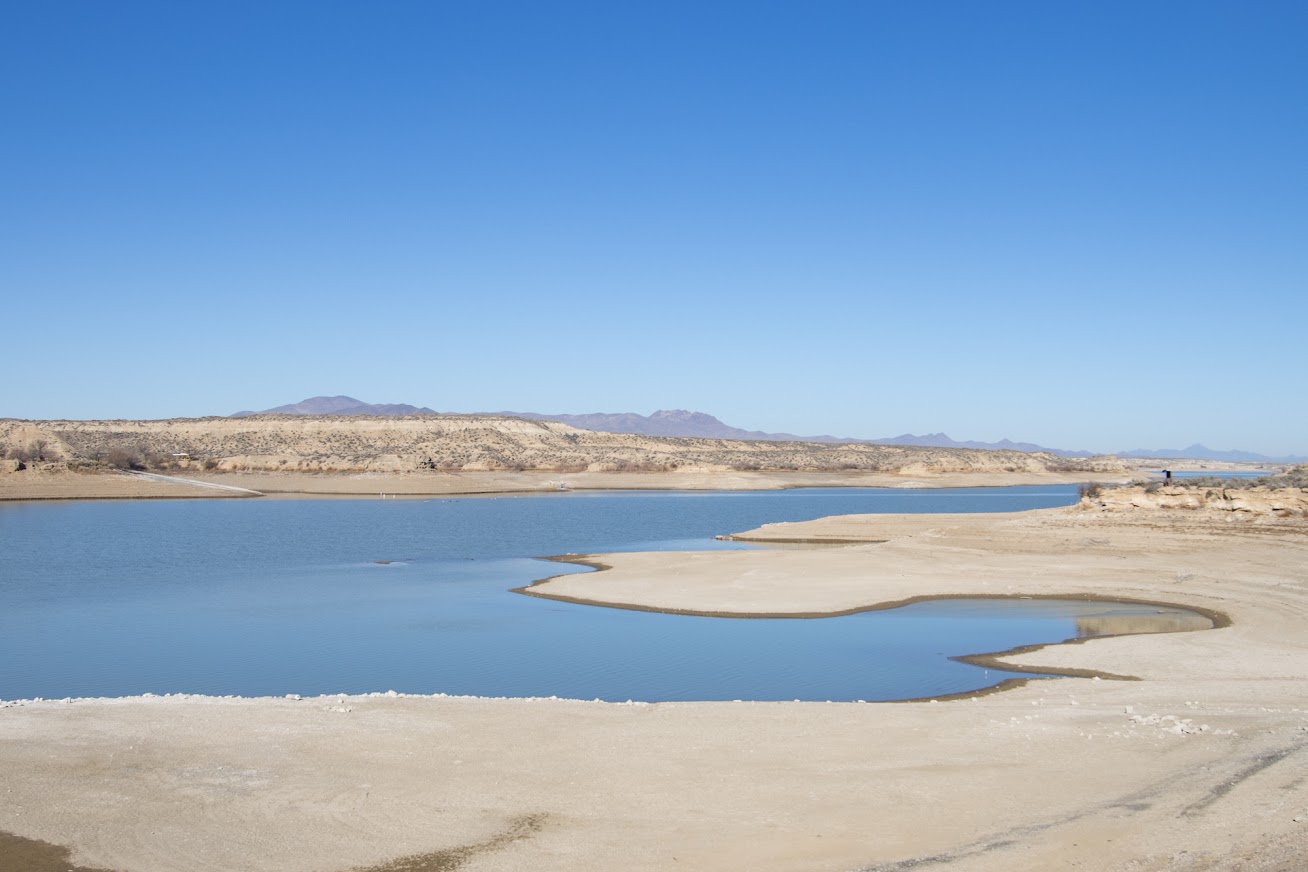
Each winter, high elevation snow blankets mountains for skiers and sledders, forming a natural reservoir that will slowly melt as winter warms into spring and provide a steady flow into creeks and rivers.
At lower elevations, where it doesn't linger as long, snow replenishes moisture in the soil and provides water for rangeland plants.
But on Jan. 1, just 379,000 acres across the West were covered with snow, much less than the usual roughly 1.46 million acres that usually blanket the Western U.S. That's because the West, including Nevada, is experiencing what meteorologists refer to as a "snow drought."
Unseasonably warm temperatures through late fall and early winter have resulted in much of Nevada's precipitation arriving so far this year as rainfall. Beyond western Nevada, the state's snowpack is lagging.
"It was an unusually warm start to the season. When we got storms, we got rain instead of snow in the mountains," said Jeff Anderson, hydrologist for the Natural Resources Conservation Service in Nevada. "It's not just here — there's been snow level issues all across the West this winter."
Maps from the U.S. Drought Monitor show that much of the West, including all of California and most of Nevada, are drought-free or facing just moderate drought because of the heavy rainfall the West has seen this winter. But just observing there is a lack of drought doesn't paint a complete picture.
"You can only store so much water in the soil," said Baker Perry, the state's climatologist.
Without snow, ski resorts and other winter industries that rely on snow see diminished revenue. In the spring and summer, farmers, many of whom rely on the steady release of snowmelt for irrigation, face diminished, or even nonexistent, flows. Reduced streamflow also affects municipal water supplies, fisheries and wildlife.
"The snowpack is the best winter reservoir to store water for summer," Anderson said.

Warm, warm, warm
Snow droughts can come in many forms.
When neither rain nor snow falls, it creates the dry conditions most people think of when they hear the word "drought." Or precipitation can fall as rain instead of snow, as much of the West is experiencing this year.
"We've had good precipitation, and that was especially the case in October and November," Perry said.
But Nevada and the Eastern Sierra still closed out 2025 with the lowest snowpack in more than 40 years.The low snowpack — the amount of snow that falls and remains frozen on the ground for several months — thus far is largely because of unseasonably warm temperatures.
In November, statewide temperatures in Nevada were nearly 6 degrees above "normal" measurements for the last three decades. Some days reached temperatures of 10 degrees or more over normal.
Reno tied its previous record for warmest November since 1893, and the city didn't see its first frost until mid-November, setting a record for its latest fall freeze.
"We're looking at the future here of the West," Perry said of the warming temperatures.
As of Jan. 1, the state's snowpack was at 74 percent of median (the middle of a range of historical snowpack measurements.) Those numbers are bolstered by the Tahoe, Truckee, Carson and Walker basins, which are all around normal and have a 50-50 chance of reaching the median snowpack by April 1. The rest of the state isn't faring as well.
The snow water equivalent — the amount of water contained within the snow — sits at just 24 percent of the median in the Upper Humboldt Basin, while the Lower Humboldt is at 31 percent. It's the worst start to a winter for that region in nearly a decade, Tim Bardsley, hydrologist at the National Weather Service, said at an early January weather briefing. The basin has just a 20 percent chance of reaching its median snowpack.
The Ruby Mountains outside Elko also have record low snow water amounts.
Across the rest of the West, "It's really a mixed bag," Bardsley said.

Less snow, more tension in Colorado River negotiations
The Colorado River Basin, which spans hundreds of square miles, is also struggling with warm temperatures and low snowfall.
While the Northern Rockies have a decent snowpack, Arizona, New Mexico, Utah and southern Colorado, all regions that rely on the over-tapped Colorado River for water, are "in pretty poor condition," Bardsley said.
Nearly a quarter of snow measuring stations in Colorado with at least 20 years of data were at record lows on Christmas Day; temperatures were between 15 and 25 degrees above normal.
More than three-quarters of snow measuring sites in the state, as well as Utah, Arizona and New Mexico, were below the 20th percentile in early January, despite much of the river basin receiving more than 100 percent of normal precipitation.
The Colorado River's two main reservoirs, Lake Mead and Lake Powell, are at 33 percent and 26 percent of capacity, respectively. The reservoirs are plagued by an imbalance between water supply and demand.
For the last several years, Nevada, the smallest user of Colorado River water, has seen a 7 percent cut to its allotment. Because Southern Nevada doesn't use its full allotment, water users don't usually notice the cut.
Bronson Mack, spokesperson for Southern Nevada Water Authority, said no further additional cuts to the state's water allocations are expected this year.
Earlier this month, the federal Bureau of Reclamation released its proposed guidelines for the operation and management of Powell and Mead at the year's end if the seven states that rely on the Colorado River for water can't come to an agreement about how to manage ongoing shortfalls.
The draft environmental impact statement outlines various proposals for the river's management, although the states, including Nevada, are seeking to draft their own agreement rather than having guidelines imposed on them.
While some groups celebrated any movement toward a resolution, others said the federal draft guidelines penalize southern states.
"It is clear federal officials are determined to prop up Lake Powell and limit the pain for the Upper Basin while the Lower Basin bears the brunt," Kyle Roerink, executive director of the Great Basin Water Network, said of the draft guidelines in a press release.
A final decision on the river's future is slated for Oct. 1, the start of the new water year.
Support Independent Elections Coverage and Journalism in Nevada
You’ve enjoyed unlimited access to our reporting because we’re committed to providing independent, accessible journalism for all Nevadans.
But sustaining this work — informing communities, holding leaders accountable, and strengthening civic life — depends on readers like you.
Nevada needs strong, independent journalism. Will you join us?
A gift of any amount helps keep our reporting free and accessible to everyone across our state and funds our elections coverage.
Choose an amount or learn more about membership