
Nevada officials want to keep childhood vaccine rules intact after feds relax them

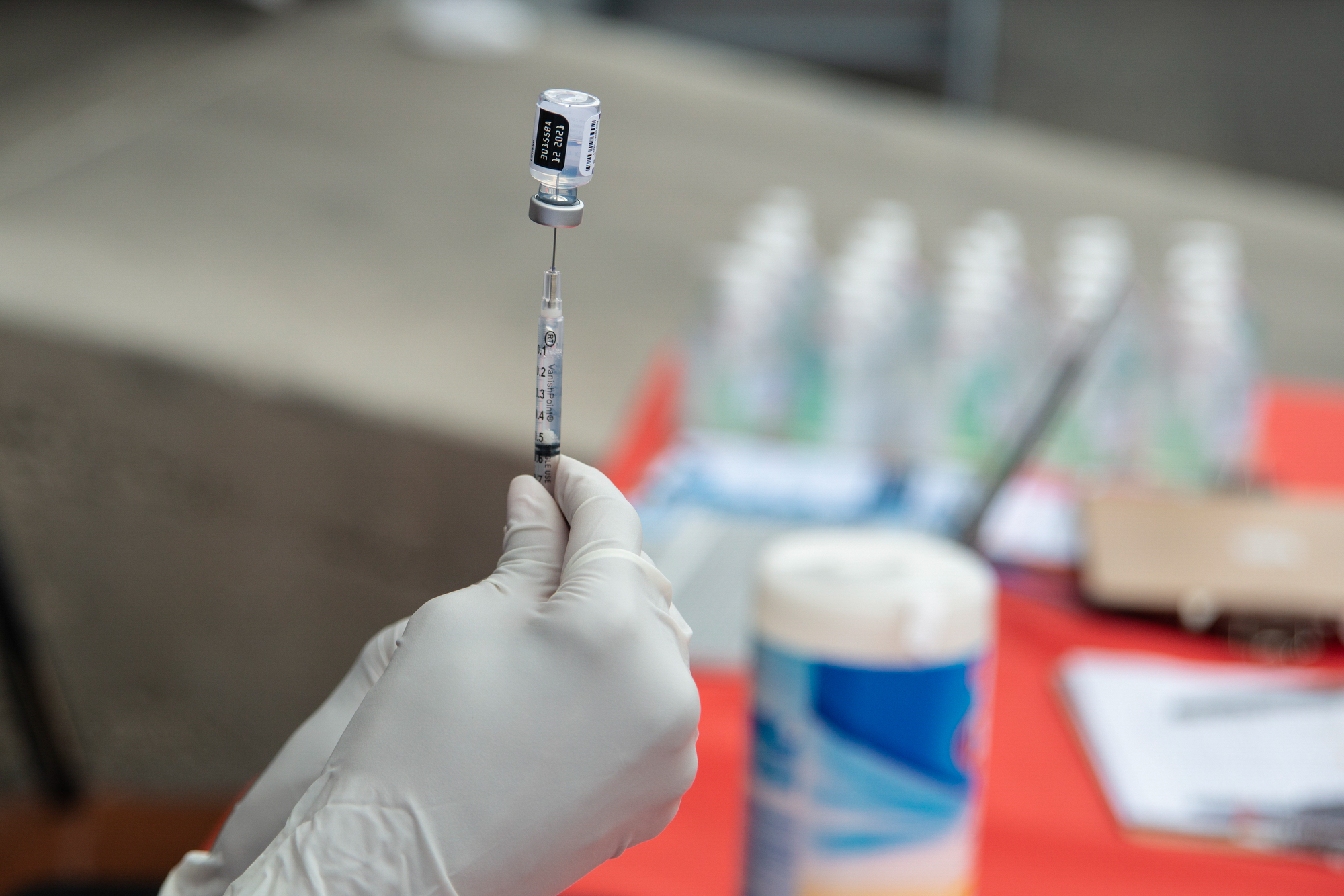
After the Trump administration loosened vaccine recommendations for children, top health officials across Nevada are urging the state to reject the recent changes and keep more rigorous requirements.
In a letter, local and state health agencies unanimously requested the Board of Health not to adopt the new Trump administration recommendations during the board's upcoming March 6 meeting. Signatories included the Division of Public and Behavioral Health within the Department of Human Services, along with the Southern Nevada Health District, Northern Nevada Health District and the Central Nevada Health District.
The letter cites the Nevada Administrative Code, which stipulates that if state and local health authorities determine an update or revision is not appropriate for use in Nevada, it can be presented to the board and subsequently rejected.
It comes as more than a dozen states, including Nevada, sued the Trump administration on Tuesday over the vaccine changes, saying the move is an illegal threat to public health. Under U.S. Health and Human Services Secretary Robert F. Kennedy Jr., a longtime vaccine skeptic, the federal government has taken positions on vaccines that medical associations have criticized as unscientific.
In Nevada, kindergarten students must be vaccinated against chickenpox, hepatitis A, hepatitis B, polio, tetanus, diphtheria, pertussis, measles, mumps and rubella. Beginning in seventh grade, students must also be vaccinated against meningitis.
But under the Trump administration's new guidance from the Centers for Disease Control and Prevention's Advisory Committee on Immunization Practices (ACIP), hepatitis A and hepatitis B immunizations are recommended only for certain high-risk groups or populations, and the meningitis vaccine is now recommended only through shared clinical decision-making — if a doctor and patient's family decide to move forward.
Josh Meny, a spokesman for Republican Gov. Joe Lombardo's office, said in a Feb. 25 statement that school vaccinations are set in state law and are not contingent upon the federal guidelines.
A spokesperson for the Department of Human Services, Nathan Orme, wrote in an email that any changes to vaccine requirements must be approved by the Legislature or the State Board of Health.
Orme added, however, that federal vaccine policies and recommendations from the federal advisory committee do affect vaccine access and funding in Nevada in the following ways:
- Pharmacists and dentists are authorized to provide the committee's recommended vaccines.
- Medicaid and other state-regulated health insurance companies must cover the recommended vaccines.
- The recommended vaccines may be funded with money from the Account for Family Planning, a state fund that promotes maternal and child health and supports providers statewide.
- The recommended vaccines must be reported to WebIZ, the state's immunization information system, by health professionals who administer them.
Nevada law allows parents to obtain an exemption from a vaccination mandate for medical or religious reasons. As vaccines have come under public scrutiny, the number of exemptions has risen, raising fears that herd immunity — when enough of a population is immunized that the ability of an infection to spread is limited — could be compromised.
For the second year in a row in 2024, vaccination rates declined in Nevada, part of a nationwide trend that experts warn could have deadly consequences. The trends are driven in part by a lack of trust in medical authorities, shifting federal rules on vaccine guidance and increasingly anti-vaccine rhetoric from the Trump administration.
Public health experts widely consider vaccine mandates an essential part of preventing disease outbreaks and increasing vaccination rates, thereby protecting the broader community.
Support Independent Elections Coverage and Journalism in Nevada
You’ve enjoyed unlimited access to our reporting because we’re committed to providing independent, accessible journalism for all Nevadans.
But sustaining this work — informing communities, holding leaders accountable, and strengthening civic life — depends on readers like you.
Nevada needs strong, independent journalism. Will you join us?
A gift of any amount helps keep our reporting free and accessible to everyone across our state and funds our elections coverage.
Choose an amount or learn more about membership