


OPINION: Cheap renewable energy is useless if we can't transmit it

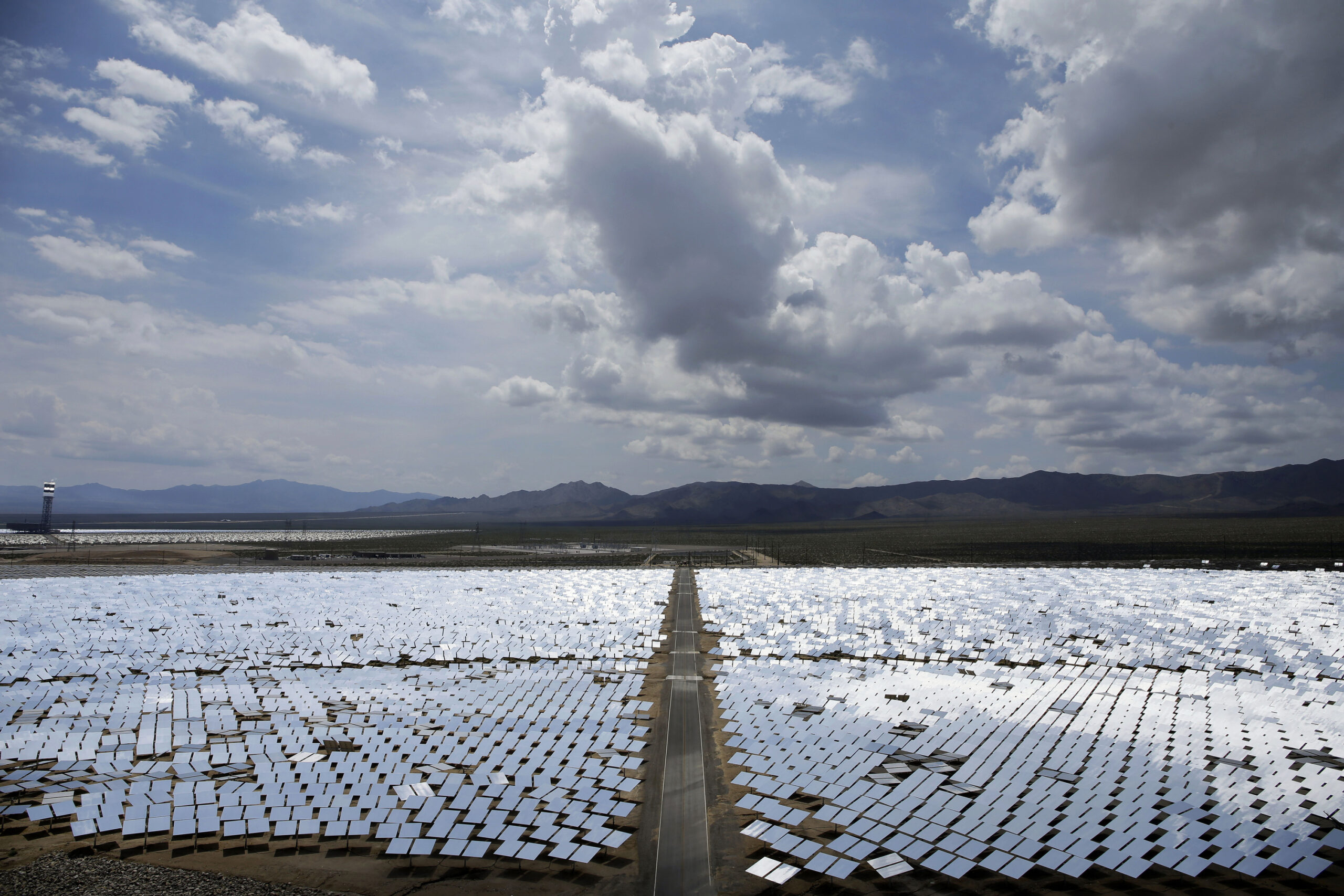
Going without dinner or going without warmth? Many Nevadans are forced to make that bleak choice during a time when energy affordability is a worrisome burden. In a 2024 U.S. Census Bureau survey, 21 percent of Nevadans said they were unable to pay their energy bill in full at least once in the last 12 months. In the same survey, nearly 37 percent of Nevada respondents reported difficulty covering household expenses in the last seven days.
Lowering the cost of living goes hand in hand with ensuring we build the most cost-effective energy sources. Demand for electricity is growing rapidly in Nevada because of our rising population, increased manufacturing, expanding data centers and electrification of buildings and vehicles.
Renewable energy is often the cheapest form of energy. The cost of solar fell nearly 90 percent during the past decade. And Nevada is blessed with abundant sunshine and the nation's second-largest geothermal capacity. Renewable energy creates tens of thousands of Nevada jobs with pay averaging more than $100,000 per year. According to the Governor's Office of Economic Development, the clean energy sector has more than doubled in the past 10 years.
Solar arrays and geothermal plants must connect to the grid to deliver electricity. That's where transmission comes in. Even if a solar array is on private land, the transmission lines that deliver electricity to Nevadans almost always cross land overseen by the Bureau of Land Management (BLM), which requires a federal permit.
Unfortunately, it can take nearly a decade to permit and install transmission lines. That delay means we are stuck with outdated energy sources while cheaper and cleaner options sit on the sidelines. It's essential to reform the outdated federal permitting process to facilitate adoption of affordable, abundant renewable energy while protecting communities and our natural landscapes.
Permitting delays threaten clean energy growth. It takes an average of seven years to complete the permitting process but sometimes the delays are much longer. The TransWest Express Transmission project that will bring wind power from Wyoming for use in Nevada, Arizona and California was bogged down by bureaucracy for nearly two decades.
The federal government has delayed the final decision on Greenlink North several times. Most recently, the BLM ordered its Nevada office to address issues raised by environmental groups, such as the project possibly hurting sage-grouse populations. Because local opposition to siting the large-scale transmission line along iconic Highway 50 was anticipated from the start, a streamlined process including early and meaningful community involvement could have produced alternative routes or mitigation strategies before the project costs blossomed to $4.2 billion. Permitting delays add to Nevadan ratepayer costs.
In July, Department of the Interior Secretary Doug Burgum issued an order requiring his personal approval for wind and solar permits on federal lands, resulting in project halts and great uncertainty for Nevada's solar industry. A bipartisan group of legislators has voiced concern. Gov. Joe Lombardo and Nevada's Democratic congressional delegation pushed back, pointing out that delays harm Nevada jobs, energy security, reliability and affordability. Stable, predictable permitting is essential for scaling clean energy. Congress should reassert its authority to set permitting processes with the certainty that the federal administration will not cancel projects on a whim.
Permitting exists for a good reason — a legal framework and process is essential for protecting public lands. We might look to Texas as a model for balancing expediency and deliberation. Texas leads the nation in clean energy generation, mostly solar and battery installations. A 2005 state law opened the way for proactive transmission planning and permitting. The result: more renewable energy, lower consumer costs and a more resilient grid that powered the state through a recent cold snap.
But in Nevada, the current process requires duplicative assessments by multiple agencies. Lengthy timelines delay permitting for necessary projects and make it harder to stop harmful projects. Ideas for modernizing the process have bipartisan support, including centralizing reviews in a single agency, setting a 2030 goal for renewables on public lands and defining clear processes for judicial review.
A good example is a framework from the Problem Solvers Caucus. The framework suggests policies to cut red tape, streamline and clarify redundant processes and boost supply chains.
Removing permitting logjams will unlock clean energy, reduce air pollution and contribute to a stronger economy. Most importantly, boosting availability of abundant and affordable solar power will help Nevadans' pocketbooks at a time when affordability is a top concern.
Joanne Leovy is a family physician and founder of Nevada Clinicians for Climate Action. She also volunteers as Nevada co-coordinator for Citizens' Climate Lobby.
Support Independent Elections Coverage and Journalism in Nevada
You’ve enjoyed unlimited access to our reporting because we’re committed to providing independent, accessible journalism for all Nevadans.
But sustaining this work — informing communities, holding leaders accountable, and strengthening civic life — depends on readers like you.
Nevada needs strong, independent journalism. Will you join us?
A gift of any amount helps keep our reporting free and accessible to everyone across our state and funds our elections coverage.
Choose an amount or learn more about membership