
Trump called to put cannabis lower on dangerous drugs list. What does it mean for Nevada?

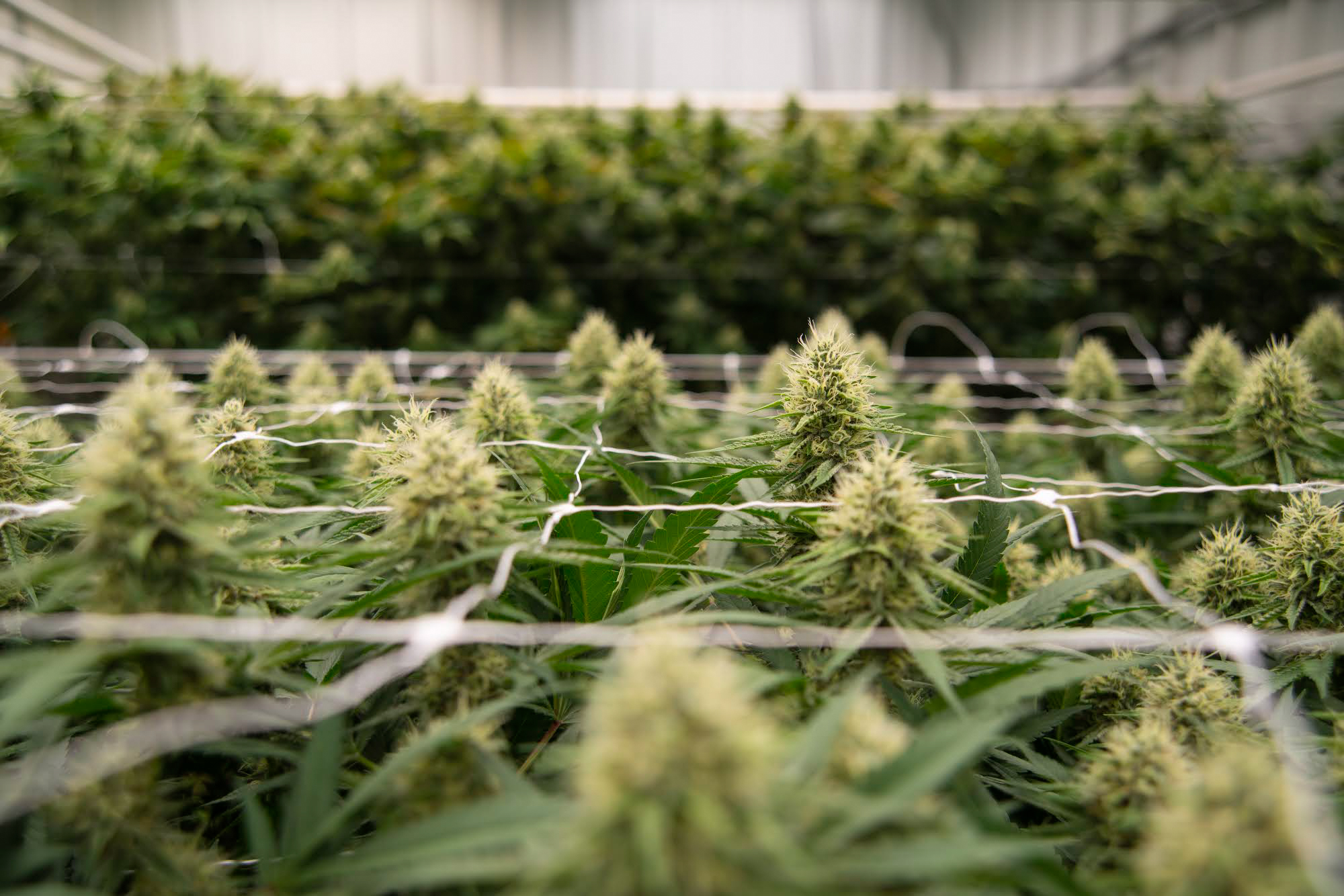
President Donald Trump signed an executive order Thursday calling on federal officials to finish reclassifying marijuana as a less dangerous drug — a major shift in federal drug policy that could open new avenues for medical research and ease the tax burden on Nevada cannabis businesses.
The switch would move marijuana away from its current classification as a Schedule I drug, alongside heroin and LSD. Cannabis would instead be a Schedule III substance, along with ketamine and some anabolic steroids.
Reclassification by the Drug Enforcement Administration would not make it legal for recreational use by adults nationwide, but it could change how the drug is regulated and reduce a hefty tax burden on the cannabis industry.
Nevada voters approved legalizing marijuana for recreational use in 2016, and the market reported sales were north of $820 million in the last fiscal year. But U.S. laws have remained stricter, potentially leaving people subject to federal prosecution and limiting the ability of legal cannabis businesses to access banking services or work with other sectors of the state's economy, such as casinos.
Following the executive order, the Nevada Cannabis Compliance Board (CCB) — the state regulatory body that oversees cannabis — released a statement saying they "will continue to regulate licensing matters and oversee compliance measures from seed-to-sale, upholding public health and safety."
The agency commissioned a 2024 study on what the potential impact would be on Nevada's cannabis industry under federal reclassification, and looked at areas including criminal justice reform, research and taxes.
The study found that if deregulated, Nevada cannabis establishments could deduct costs from taxes, such as marketing, rent, utilities, payroll, payments to contractors, travel, insurance and equipment maintenance and repair.
Rep. Dina Titus (D-NV), a longtime supporter of cannabis research, called the president's proposal a positive step toward "commonsense cannabis policy reform" but said there's work left to be done.
"Although it eases restrictions on medical cannabis research and alleviates certain tax burdens on state-legal cannabis businesses, classifying marijuana as a Schedule III substance still enables the unfair and unequal incarceration of recreational users and limits cannabis businesses' access to banking services," Titus wrote to The Nevada Independent.
Riana Durrett, director of the UNLV Cannabis Policy Institute, called the executive order "movement in the right direction for a substance that was overly criminalized in the United States" and said she hopes "that with more research and policy discussions the cannabis plant will be continue to become more available as medicine and allowed for adult use, as appropriate."
Read More: UNLV students innovate to look into underreported impacts of cannabis
She wrote it's difficult to gauge how much of an impact this will have on cannabis research, as cannabis will still be scheduled and require federal agency approvals as well as federal registration for research purposes.
Polling from Gallup shows Americans largely back a less restrictive approach to cannabis: Support for marijuana legalization has grown from just 36 percent in 2005 to 64 percent this year.
—
The Associated Press contributed to this article.
Support Independent Elections Coverage and Journalism in Nevada
You’ve enjoyed unlimited access to our reporting because we’re committed to providing independent, accessible journalism for all Nevadans.
But sustaining this work — informing communities, holding leaders accountable, and strengthening civic life — depends on readers like you.
Nevada needs strong, independent journalism. Will you join us?
A gift of any amount helps keep our reporting free and accessible to everyone across our state and funds our elections coverage.
Choose an amount or learn more about membership