
Nevada's electric utility is suing a major data center company. Here's why.

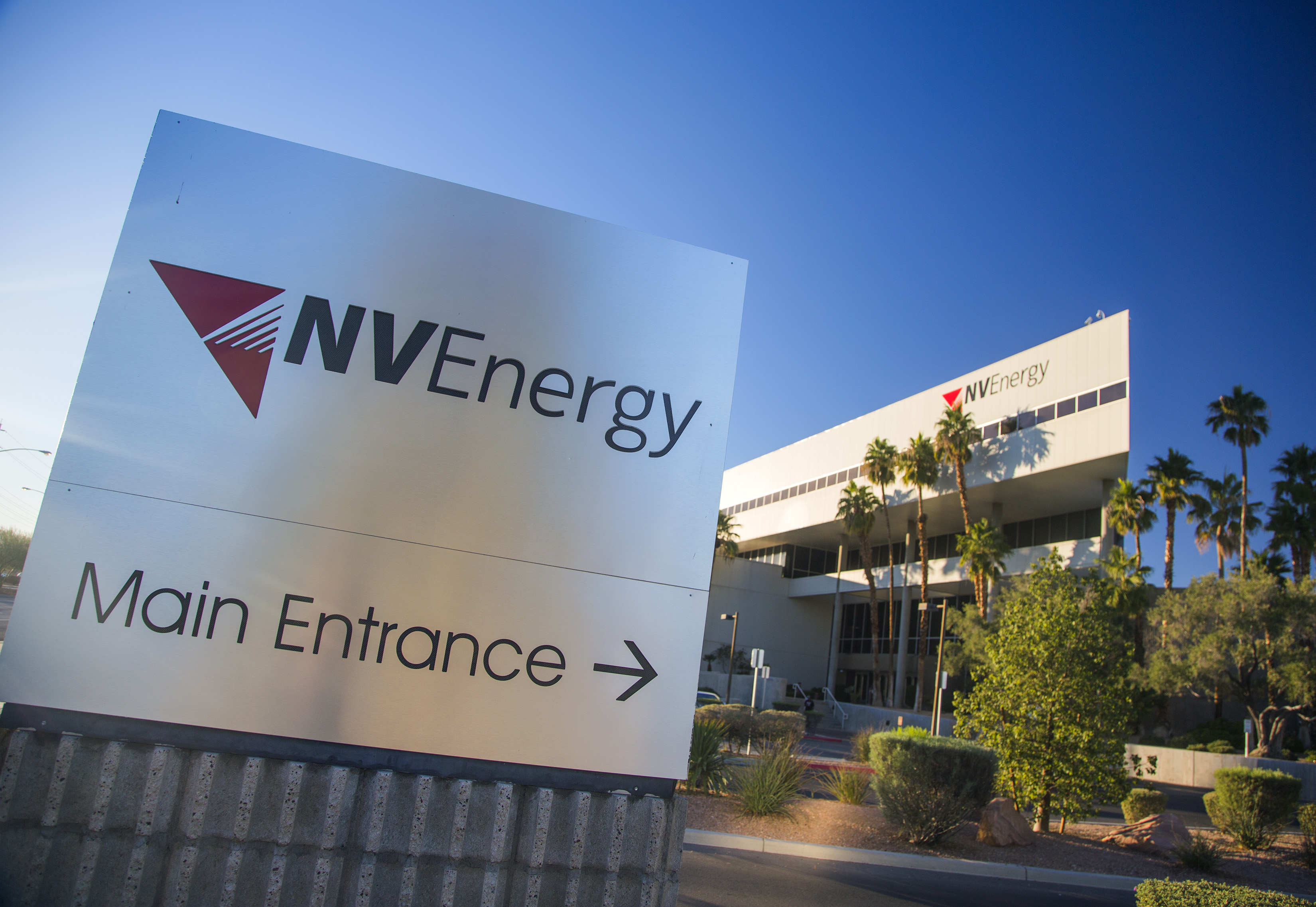
One of the largest data center development companies in Northern Nevada is trying to subvert the normal regulatory process, a move that could potentially increase customer costs, according to a new lawsuit filed by NV Energy.
In a lawsuit filed Friday in Washoe County's Second Judicial District Court, NV Energy alleged that Tract is attempting to bypass the rulemaking process typically performed by the Public Utilities Commission of Nevada (PUCN) by initiating private arbitration with complaints about when and how much power the utility should provide.
Tract "wants NV Energy to reserve and provide enormous amounts of power for Tract's private development while shifting the infrastructure and energy costs to Nevada families, small businesses, and existing customers who did not cause them," according to the complaint.
By addressing those issues in arbitration, the data center developer is attempting to "keep these issues hidden" from state energy regulators and the public, according to the utility's lawsuit.
The lawsuit spills into the public view what is typically a behind-closed-doors negotiation between the state's primary electric utility and Tract, a growing data center power that has purchased more than 12,000 acres across Northern Nevada.
It also positions the utility on the same side of growing opposition to data centers, which is centered on fears of water and electricity overuse.
"Our position is pretty straightforward," someone familiar with the matter and granted anonymity told The Nevada Independent. "Customers that create new costs should cover new costs, and those costs should not be shifted."
In a statement emailed to The Indy, Tract says it never asked for or expected its costs to be subsidized, and that it has committed to spending nearly $1 billion to support NV Energy's infrastructure. It also says the contracts negotiated by NV Energy commit the dispute to arbitration.
"The complaint filed by NV Energy seriously misstates the issues, the facts, and the contracts NV Energy signed, and is laced with inflammatory rhetoric clearly intended to distract from the real issues," according to the statement. "Tract has committed to paying our fair share for infrastructure and generation needs, and any claim otherwise is simply false.
"We have never sought or received any special treatment, and we remain committed to creating jobs and supporting economic growth in the state," the statement continued. "We just want NV Energy to live up to the commitments it made to us."
The need for power
According to the utility's complaint, large-load customers should bear the costs required for their projects. Those costs should not be shifted onto existing customers.
NV Energy claims the changes requested by Tract through an arbitration process would dictate how the utility generates and purchases power and the priority of service to customers in its queue and compel NV Energy to charge rates other than what is lawful.
NV Energy's plans on generating and purchasing power and establishing service priority is done through the utility's integrated resource plans (IRPs), which it is required to file with and be approved by state energy regulators at least every three years. An arbitrator, the suit contends, cannot decide those types of issues outside that regulatory framework.
In its most recent IRP, the utility stated that data centers are putting such a significant demand on the utility that it will need about 22GW — over twice the peak demand of the current system — just to meet the existing requests for electric service.
"Defendants cannot now short-circuit that regulatory process by demanding that a private arbitrator decree the very obligations the Commission is presently examining," according to the filing.
NV Energy has estimated it needs 52 percent more energy statewide than it forecast just two years ago to meet the growing needs of data centers and other large-scale customers. While data centers currently account for just 5 percent of the utility's sales, the utility projects that by 2046 that will jump to 64 percent.
NV Energy already has large load agreements in place with multiple data centers and, in its most recent IRP, is seeking to create a uniform large load service agreement that is consistent with agreements it already has in place. State energy regulators are still deciding what those parameters will look like.
Much of the complaint is redacted
Attorneys for the utility stated that the agreements at issue pertain to the Peru Shelf and South Valley data center projects in the Tahoe Reno Industrial Center in Storey County.
Because NV Energy doesn't have enough power to serve them immediately, Tract is proposing to construct temporary natural gas and diesel power plants. Tract is proposing a 144 MW plant to power the South Valley project and a 218 MW plant at Peru Ridge. By operating the plants outside the state's regulated infrastructure, the power plants will be what is known as "behind-the-meter" and potentially will skirt aspects of the state's regulatory process.
The agreements for Peru Ridge and South Valley projects were executed under a rule which governs how the total costs and responsibility for construction is allocated between the utility and the applicant, taking into consideration factors such as the project's size, duration and risk. It doesn't address the supply of electricity, according to the utility.
Many of the complaint's details are redacted because the lawsuit was filed under seal.
"NV Energy considers each of the Rule 9 Agreements confidential because they contain information that is commercially sensitive to NV Energy and its business," according to NV Energy's counsel. "Disclosure would provide competitive information to other commercial customers in pending and future negotiations."
Land acquisitions
Tract has been busy buying up land around Northern Nevada as it builds out master-planned data center parks. In 2024, it acquired 8,600 acres in Storey County between TRIC and the Virginia City Highlands, bringing its holdings to 11,000 acres. That acquisition allowed the company to invest "in hyperscale capacity at an unrivaled scale."
Last year, the company acquired an additional 1,060 acres in Lyon County just south of TRIC. That site can support 1.6 gigawatts of data center capacity, according to Tract.
NV Energy's lawsuit isn't the first Tract has faced in Northern Nevada.
Last year, a lawsuit between longtime TRIC data center operator Switch and Tract was ruled in Tract's favor. Switch sought to prohibit certain data center developments on the Peru Shelf parcels owned by Tract because it would affect Switch's ability to connect its future projects to utilities.
Editor's note: This story was updated at 10:15 a.m. 7/28/26 to add a statement from Tract and to grant greater anonymity to the person who spoke about the matter with The Indy.
Support Independent Elections Coverage and Journalism in Nevada
You’ve enjoyed unlimited access to our reporting because we’re committed to providing independent, accessible journalism for all Nevadans.
But sustaining this work — informing communities, holding leaders accountable, and strengthening civic life — depends on readers like you.
Nevada needs strong, independent journalism. Will you join us?
A gift of any amount helps keep our reporting free and accessible to everyone across our state and funds our elections coverage.
Choose an amount or learn more about membership