
Proposed bills expand one scholarship program, tweak academic requirements for another

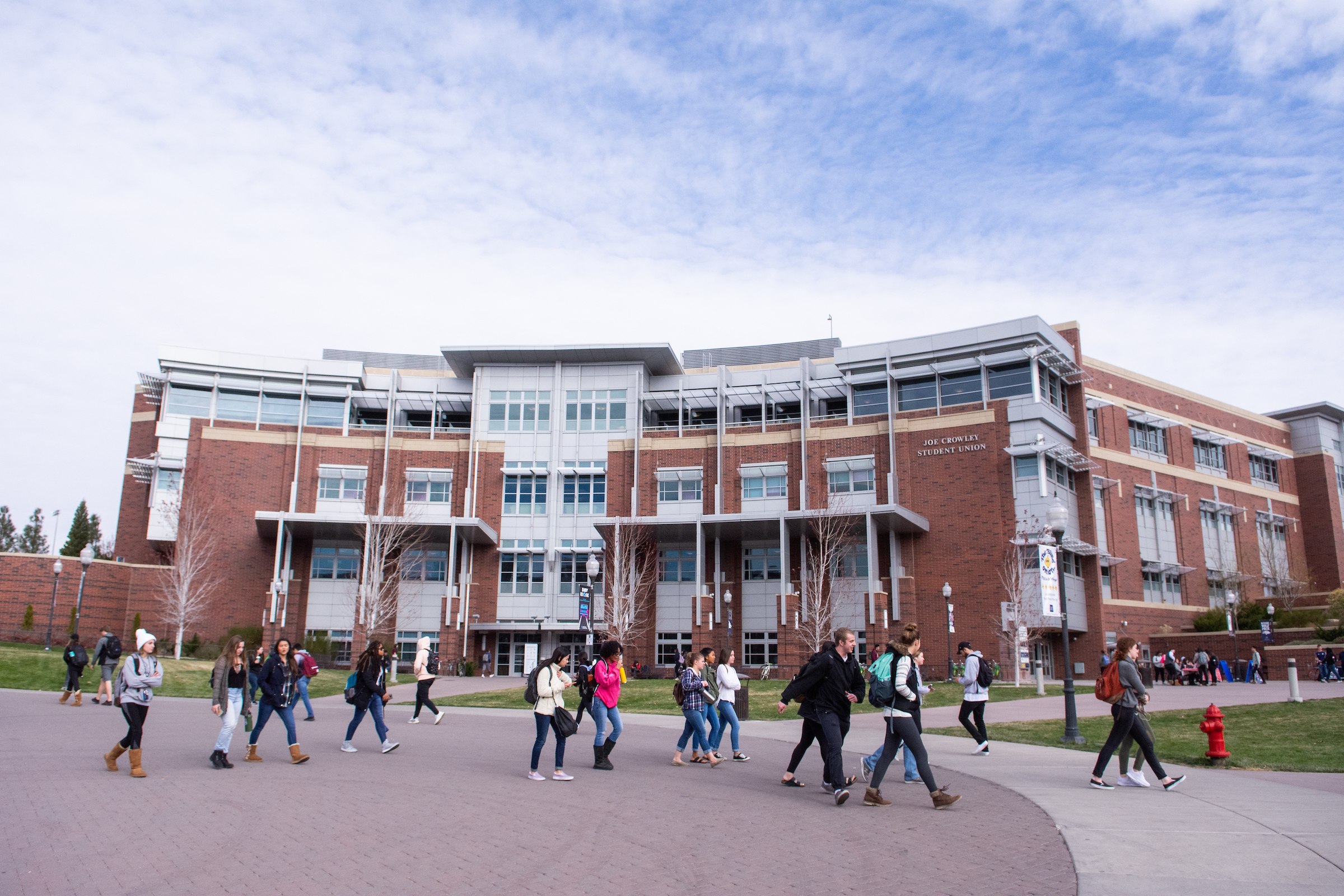
Lawmakers heard testimony Monday about two bills that would make changes to popular scholarship programs — expanding the number of recipients and adding clarity to grade-point-average requirements.
Senate Bill 414 would increase the monetary value and number of Kenny C. Guinn Memorial Millennium Scholarships awarded to education majors who plan to teach in Nevada after graduation. Under the proposed bill, the scholarship would grow to $5,000 — up from $4,500 — and be given to four students each year rather than just two as it stands now.
Two recipients would be selected from Northern Nevada, and two would be from the South. The measure also would expand the candidate pool by allowing students who attend Grand Canyon University and Western Governors University to apply.
In a state that grapples with yearly teacher shortages, the late governor's son, Steve Guinn, said the proposed bill would entice the "best and brightest" aspiring educators to work in Nevada.
Senate Bill 453, meanwhile, would change the eligibility requirements for the much larger Governor Guinn Millennium Scholarship program. Established by the Legislature in 1999, the merit-based scholarship program has served nearly 125,000 Nevada students.
The program requires scholarship recipients to maintain a 2.6 grade point average during their first year enrolled in college, followed by a 2.75 grade point average every semester thereafter. SB543 would set a 2.75 grade-point-average requirement across the board, undoing the previous scaled system.
Crystal Abba, the vice chancellor for academic and student affairs with the Nevada System of Higher Education, noted that the eligibility requirements for the Millennium Scholarship have changed over the years, creating a situation where siblings may face varying sets of rules.
The goal of the proposed bill, she said, is to install "clarity and consistency" to the program.
Abba said the existing grade-point-average requirement has caused confusion among students and advisers because of the time-related shift from 2.6 to 2.75.
"We believe the higher bar is better," she said. "We also believe the consistency over the (semesters) is better in terms of the message to the students."
The second half of the bill would tweak how the program's "two strikes rule" works — in other words, what happens when students' grades dip below those requirements.
The way it works now: When students don't meet the grade-point-average requirement one semester, they lose the funding the next semester but can have the scholarship reinstated if they're able to bring their grades back up while taking the same amount of credit hours.
Abba said students have complained that losing funding immediately puts them at a disadvantage because they often have to get an additional job or take fewer credit hours, which makes an academic turnaround more difficult.
SB453 modifies that timeline by essentially putting students on notice and giving them a grace period of one semester to increase their grade point average. The scholarship funding would continue for the semester immediately following one in which recipients haven't met the academic requirement. But if the students don't meet the grade-point-average requirement the next semester, the scholarship would be yanked.
"The impact we believe won't be as negative on students," Abba said.
Although it's a merit-based program, Sen. Mo Denis pointed out that the scholarships help a diverse cross-section of Nevada students. Among the class of 2017, 34 percent of Millennium Scholarship recipients were white; 34 percent were Hispanic; 13 percent were Asian, Hawaiian or Pacific Islander; 8 percent were two ethnicities or more; 4 percent were black; and 6 percent were of unknown ethnicities.
Thirty-two percent of recipients also came from households that reported annual incomes of less than $40,000.
Gov. Steve Sisolak has proposed using money collected from the retail tax on recreational marijuana to help fund the Millennium Scholarships.
Support Independent Elections Coverage and Journalism in Nevada
You’ve enjoyed unlimited access to our reporting because we’re committed to providing independent, accessible journalism for all Nevadans.
But sustaining this work — informing communities, holding leaders accountable, and strengthening civic life — depends on readers like you.
Nevada needs strong, independent journalism. Will you join us?
A gift of any amount helps keep our reporting free and accessible to everyone across our state and funds our elections coverage.
Choose an amount or learn more about membership