
Two Nevada rural prisons have 'critical labor shortage,' state determines

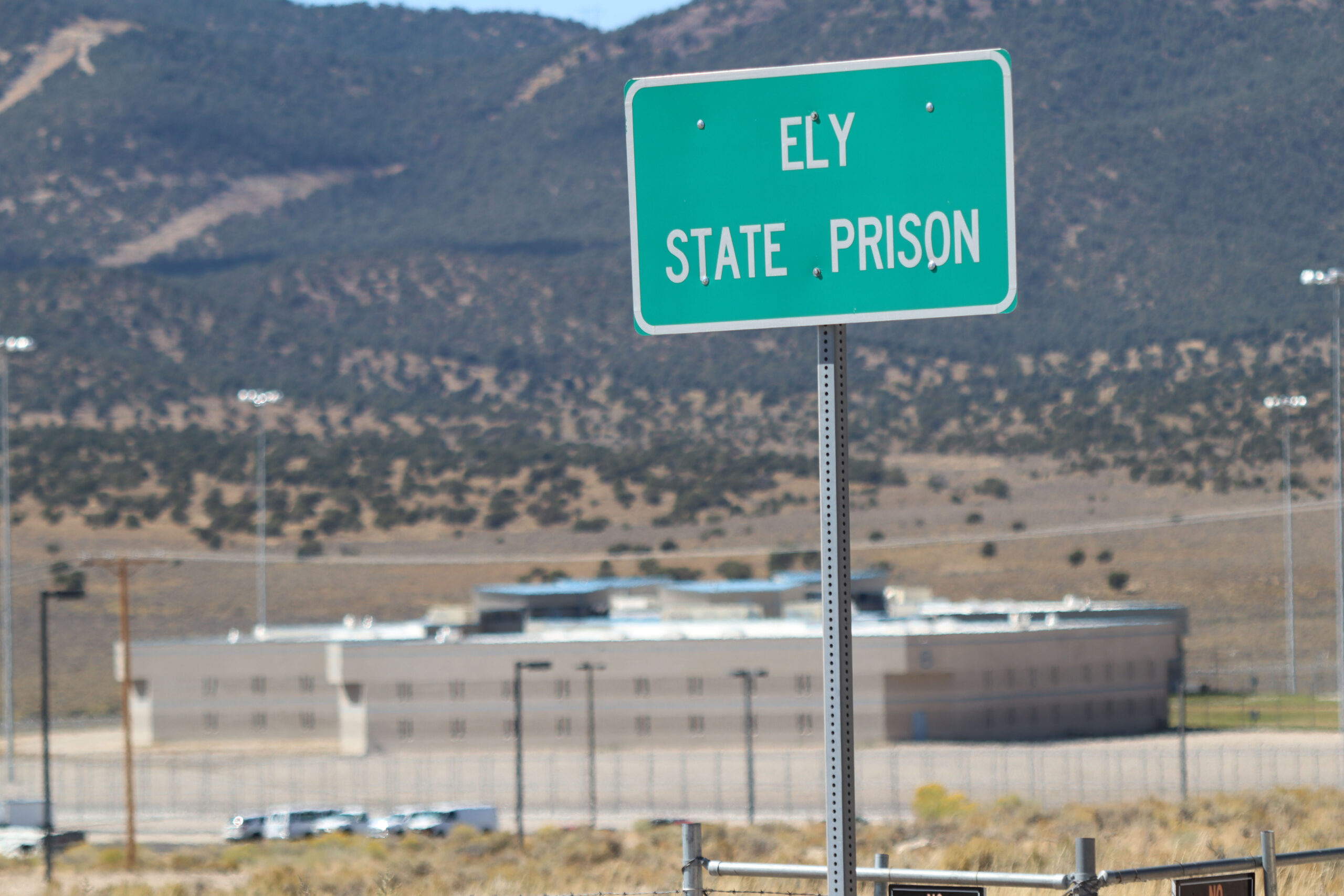
Two rural Nevada prisons were designated as having a "critical labor shortage" amid continued struggles in recruiting correctional officers and physicians that result in major prisoner health issues being treated off-site.
The Tuesday decision from the state Board of Examiners — consisting of the governor, attorney general and secretary of state — will allow Ely State Prison and Lovelock Correctional Center to bring back retired state workers to fill the vacant positions through the end of June. They could receive retirement income on top of their new salary because of the labor shortage label.
It's the second time in as many years that the Nevada Department of Corrections (NDOC) has requested the "critical labor shortage" designation. For the first half of 2025, the entire state prison system was under the label for correctional officer positions. Rural prisons also had the designation from 2018 to 2022.
The move represents the latest evidence of Nevada's struggles in hiring correctional officers, particularly in rural areas. Staffing shortages across state prisons helped cause a $53 million budget deficit last year because of spiraling overtime costs.
At Lovelock Correctional Center, located about 90 minutes from downtown Reno, about 40 percent of the facility's 200 correctional officer positions are vacant. At Ely State Prison, located four hours from Las Vegas, about one third of correctional officer positions are unfilled. Some of these job postings have been open for six years, according to the agency.
Neither facility has a permanent senior physician on staff, and some doctor positions have been vacant for seven years. These are particularly difficult jobs to fill because of the facilities' remoteness, according to the agency.
NDOC Director James Dzurenda said Tuesday that these facilities have physician's assistants on staff but no medical doctors, meaning prisoners must be transferred elsewhere if they need more significant medical attention.
Dzurenda added that the pay for medical positions at these facilities are much lower than at local hospitals, and that the agency has contracts with companies in rural areas to try to recruit doctors from hospitals.
A former state employee — who would be allowed to be hired under the critical labor shortage designation — is interested in a physician role at one of the facilities, Dzurenda said.
Gov. Joe Lombardo said at the meeting he thinks "we need to be a little more proactive" in recruiting medical professionals, pointing to the fact that the state on Tuesday also approved two settlements totaling nearly $800,000 for prisoners who sued after allegedly receiving insufficient medical care.
Lombardo did not mention employee pay in his questioning. Attorney General Aaron Ford, who is running for governor, asked for data on how much correctional physician pay is lagging — which Dzurenda said he would provide later.
The state has long struggled with recruiting correctional officers in rural areas. Although there is a consistent stream of NDOC training academy graduates, Dzurenda said Tuesday that "the areas for Ely and Lovelock continue to struggle with interested applicants."
The comments build off of observations made in an external staffing study conducted of the state prison system last year.
The analysis, which called the staffing situation a "crisis," found that housing limitations were a significant barrier for hiring in Ely, and that workers at the Lovelock facility often raised concerns about long commutes. It recommended a more targeted recruiting campaign aimed at people who enjoy a rural lifestyle, rather than people who live in larger metropolitan areas.
The study also found that at Ely State Prison, which houses about 1,200 people, there is only one mental health professional, much lower than one recommended ratio of a mental health professional for every 150-160 inmates. In addition, the report concluded that employees think "shortcuts are being made to train the new staff and deploy them in a shorter timeframe to meet staffing needs" and staff must escort high-risk people with less than the recommended three officers.
In 2025, Ely State Prison's correctional officer turnover rate increased to 14 percent — the highest rate in three years — while Lovelock Correctional Center's decreased by nearly half to 12 percent, the lowest rate since 2022.
Support Independent Elections Coverage and Journalism in Nevada
You’ve enjoyed unlimited access to our reporting because we’re committed to providing independent, accessible journalism for all Nevadans.
But sustaining this work — informing communities, holding leaders accountable, and strengthening civic life — depends on readers like you.
Nevada needs strong, independent journalism. Will you join us?
A gift of any amount helps keep our reporting free and accessible to everyone across our state and funds our elections coverage.
Choose an amount or learn more about membership