
As childcare costs rise and subsidies shrink, plans for 2027 reforms take shape in Nevada


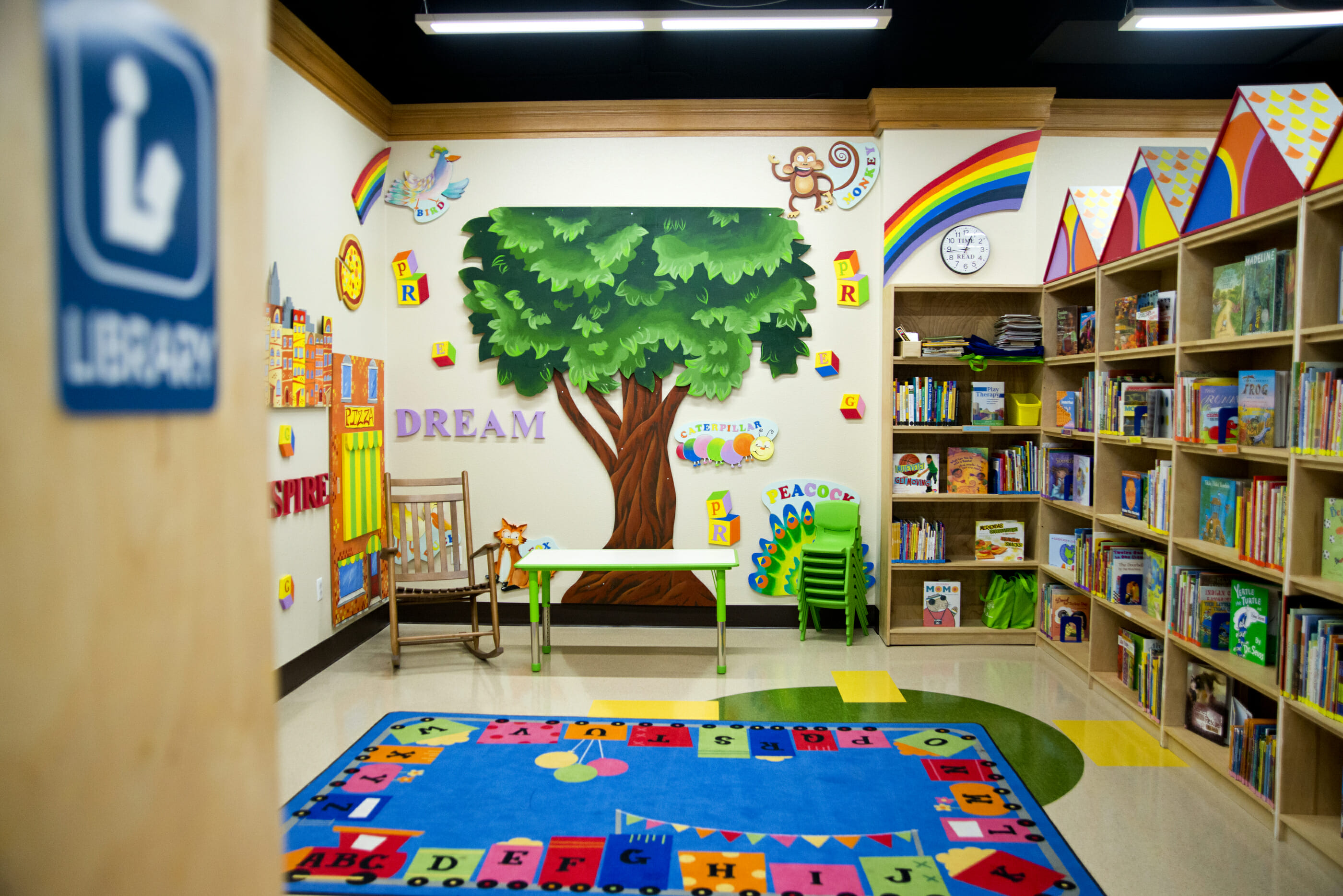
Nevada's childcare system is already one of the most thinly stretched in the nation, and its gaps have grown worse since hundreds of millions of dollars in pandemic-era federal funding expired.
Childcare assistance, funded by the federal government with help from states, is supposed to aid working parents who make little money, are homeless or care for foster children by drastically reducing their childcare bills so they can work or go to school.
But the program in Nevada and in other states was forced to narrow its eligibility — providing care to thousands fewer families — and place more families on waitlists after more than $500 million in COVID-era funding expired in 2024.
In April 2024, the state's Child Care and Development Program provided childcare subsidies to 15,230 families, according to Marty Elquist, chief programs officer at the Nevada-based early childhood nonprofit The Children's Cabinet.
Six months later, in October 2024, eligibility changes went into effect that narrowed who qualifies for the program to only families making below 41 percent of state median income, or roughly $33,000 for a family of three. By April 2026, the eligibility reductions had caused the number of families receiving childcare subsidies in Nevada to drop to about 5,700 families, roughly one-third of the number of beneficiaries there were two years earlier.
Those eligibility rules made Nevada's the most restrictive childcare program in the nation. In Maine, the state with some of the most expansive rules, families making up to 150 percent of the state median income can receive subsidies, which are partially federally funded in all 50 states through the $12 billion Child Care and Development Fund.
"We hear stories from families that struggle every single day and have to make a decision between continuing their employment or leaving the workforce, and about families moving out of state," said Elquist, who added that other states have increased their available childcare subsidies by drawing on additional funding sources, including by transferring money from other welfare programs. "These are funding decisions, policy decisions, that our state needs to make."
In April there were about 3,700 Nevada families on the waitlist for assistance — consisting only of families who fall under that maximum income threshold. Families over the income threshold are not allowed to be on the waitlist.
These gaps in access and affordability aren't unique to Nevada. As of April hundreds of thousands of families in 22 other states and the District of Columbia were sitting on childcare assistance waitlists, according to a new analysis by The Associated Press. That's a huge jump from 2023, when only nine states — not including Nevada — had waitlists.
Many states' subsidy waitlists, including Nevada's, started after $28 billion in pandemic aid expired in the fall of 2024 after the Republican-led Congress declined to extend the extra money. While some states have increased funding to try to fill the gap, Nevada is not one of them. The state lost $500 million when the pandemic aid expired, said Maria Wortman-Meshberger, the manager of the state's Child Care and Development Program in an interview with The Nevada Independent.
The state guarantees the subsidies to "priority populations," which includes children who are homeless, in foster care or recipients of Temporary Assistance for Needy Families, another welfare benefits program. But children whose families make below 41 percent of state median income, while eligible for the subsidies, must join the waitlist and are not guaranteed to receive them.
Families' need for childcare assistance has only grown as they've faced mounting costs for food and gas. Parents who cannot afford childcare must make difficult tradeoffs, often opting against pursuing education or employment opportunities to stay home instead.
Childcare costs are especially high in Nevada, the eighth least affordable state for infant childcare in licensed family childcare and the 17th least affordable in licensed childcare centers. That's in part due to the state's outsized share of single-family households or households where both parents work.
Nevada's average single mom with two kids would have to spend 70 percent of her income on childcare, according to a 2025 analysis by The Children's Cabinet that compared the state's average family income to its average childcare costs.
Plans taking shape in Nevada for reform
Elquist said one reason childcare costs are growing nationwide is because of a shortage in licensed childcare providers, which in Nevada is exacerbated by the regulatory burdens around setting up a childcare business.
"Most of the time, when people are trying to start up childcare [businesses], they're kind of doing their current job on the side, and the number of hurdles and steps it can be is very overwhelming," said Elquist.
Often, children's caretakers are their family's friends or neighbors, who Elquist said could benefit financially from designating their services as official by receiving licenses. But that process comes with "headaches" that might scare them off — including safety inspections, interviews and paying hefty fees for liability insurance.
She hopes lawmakers tackle this issue, and other childcare-related issues, next session.
In the 2025 session, the Legislature passed AB185, a bill introduced by Assm. Natha Anderson (D-Sparks), to allow childcare providers to be licensed to work out of communities governed by homeowners' associations. Various real estate-aligned groups lobbied against it, and the bill was eventually vetoed by Gov. Joe Lombardo (R).
Efforts to enact universal pre-K also fell short last session, although the state nearly doubled its free pre-K seats. But it still offers far fewer than other states, and a review by The Nevada Independent in February found nearly 1 in 10 of those free seats were vacant.
Elquist said The Children's Cabinet is aiming to get two priorities introduced as bills in the next legislative session. Their first goal involves restructuring the state's complex and sometimes-overlapping early childhood system to take a more centralized, comprehensive approach on key issues. Their second goal consists of a set of recommendations to make childcare more affordable, which includes asking the state to increase spending on the childcare subsidies so that families can qualify if they make up to 85 percent of state median income — in 2026, about $70,000 for a family of three.
Elquist said her group has shared its recommended language on the potential childcare reforms to the childcare committee of the Governor's Workforce Development Board, which can submit recommendations to the Legislature, and she hopes the effort gains momentum in 2027.
The childcare affordability crisis is already on the radar of some elected officials. At least three of the bill draft requests for 2027 submitted so far by state lawmakers reference childcare. One of these bill requests, by state Sen. James Ohrenschall (D-Las Vegas), calls for a "universal childcare system."
Ohrenschall did not immediately return a request for comment from The Indy about the details of his bill.
Elquist said it's crucially important to invest in early childhood development, including both childcare and pre-K.
"If we want this investment in high quality care for our kids, we've got to be all firm on what that takes in terms of cost to provide it," she said. "If we're going to see that return on investment … then we've got to invest in high quality."
Moriah Balingit and Lauren Coffey of The Associated Press contributed to this article.
Support Independent Elections Coverage and Journalism in Nevada
You’ve enjoyed unlimited access to our reporting because we’re committed to providing independent, accessible journalism for all Nevadans.
But sustaining this work — informing communities, holding leaders accountable, and strengthening civic life — depends on readers like you.
Nevada needs strong, independent journalism. Will you join us?
A gift of any amount helps keep our reporting free and accessible to everyone across our state and funds our elections coverage.
Choose an amount or learn more about membership