
MGM Resorts and BetMGM leave problem gaming organization over the group's ties with Kalshi

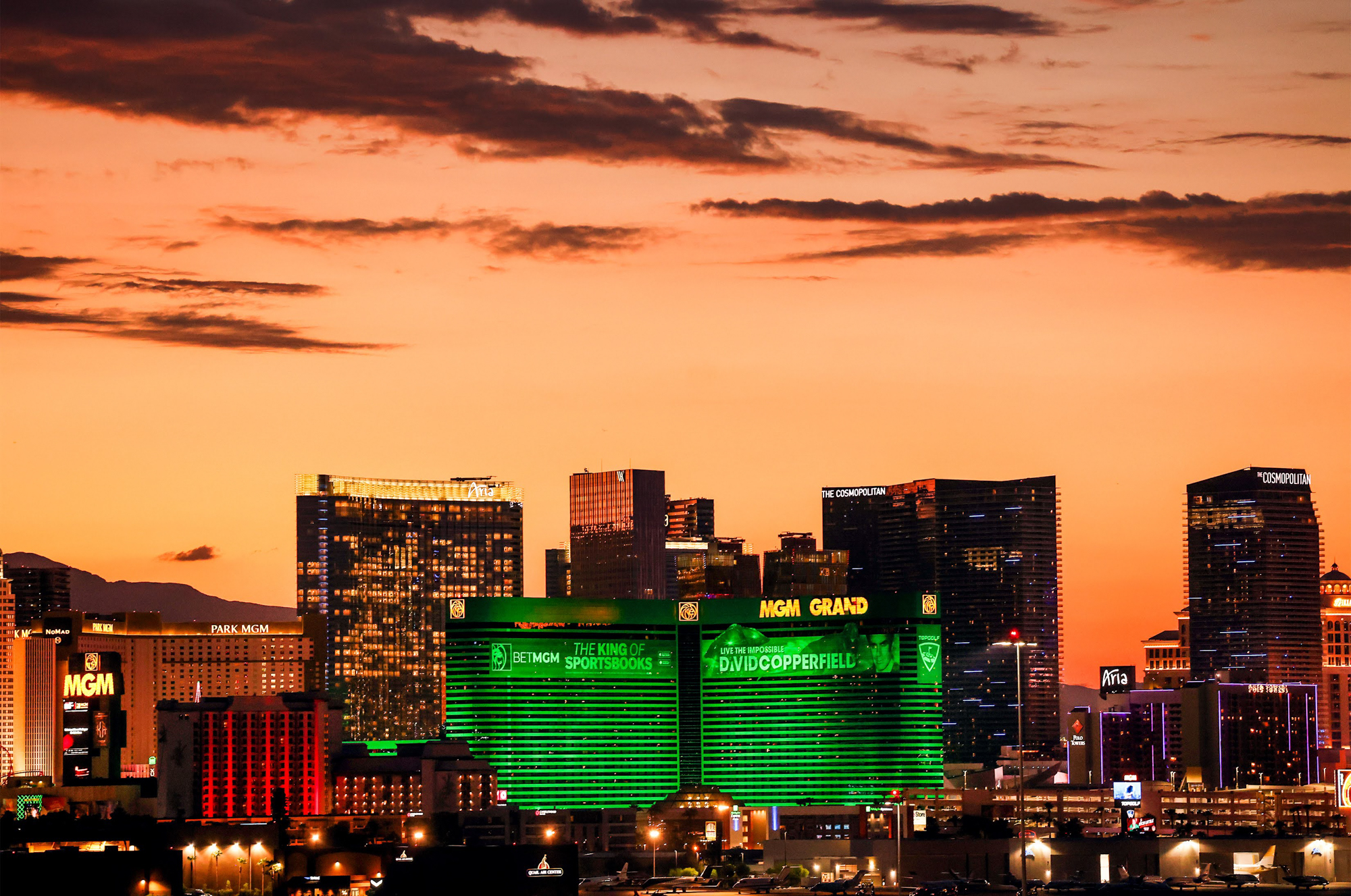
MGM Resorts International and its sports wagering affiliate, BetMGM, resigned their long-standing memberships in the National Council on Problem Gambling (NCPG) last month, becoming the first operators to leave the organization over its partnership with prediction market Kalshi.
In May, the NCPG received a $2 million, two-year investment from Kalshi, which prompted four state agencies, including the Nevada Council on Problem Gambling, to resign their memberships with the nonprofit.
The gaming companies cited incompatible ideals and goals as the reason for their withdrawal.
Also, BetMGM Director of Responsible Gambling Rich Taylor resigned from the NCPG board.
"NCPG's decision to embrace Kalshi as a member and the circumstances under which this decision was made lead us to conclude that we no longer share the established principles NCPG once stood for," wrote MGM Resorts Senior Vice President Stephen Martino and BetMGM Chief Compliance Officer Rhea Loney in a letter to the NCPG.
"Suggesting that sports betting on Kalshi is an easy ticket to financial success is an open invitation to every form of problem gambling that NCPG and responsible gaming programs are supposed to confront, not legitimize."
Though MGM and BetMGM are the largest members to quit the national council — MGM has resorts in 10 states including 10 properties on the Strip and two in Macau and BetMGM operates in almost 30 states and two Canadian provinces — they are not the only ones to disassociate themselves from the group.
In August, the Nevada Council on Problem Gambling severed its ties to the national group, citing the Kalshi partnership. A month earlier, the Michigan Gaming Control Board withdrew its membership, and in September, the Ohio Casino Control Commission and the Evergreen (Washington) Council on Problem Gambling ended their relationships with the NGCP.
In an email to The Nevada Independent, Trey Delap, executive director for the Nevada Council on Problem Gambling, said the decision by MGM and BetMGM brought renewed attention to the concerns the organization raised about credibility and consumer protection.
Drelap said that remaining separate from the national group allows the Nevada Council "to speak plainly about gambling-related harm and what it takes to protect people in Nevada."
He said problem gambling affects people where they live.
"When someone calls a helpline, they need someone who can connect them with help in their own community," Drelap said. "Nevada helped set the standard for gaming. We can bring that same expertise to setting the standard for protecting people."
By agreeing to the deal with Kalshi, whose ban in Nevada by state gaming regulators was upheld by the 9th U.S. Circuit Court of Appeals in August, MGM and BetMGM said the NCPG is ignoring state gaming regulators and a bipartisan group of state attorneys general.

As part of the donation from Kalshi, the NCPG agreed to create a subcategory on financial services and trading to include Kalshi's membership. However, state gaming regulators throughout the U.S. consider Kalshi a gambling company that should be regulated and taxed by individual states.
The NCPG was founded in 1972 and is considered the oldest organization in the U.S. that deals with gambling issues.
NCPG Executive Director Heather Maurer resigned in October amid backlash over the Kalshi deal.
In an emailed statement, a spokesperson for the NCPG said the departure by MGM and BetMGM sends a political message, but it doesn't help prevent gambling-related harm.
"The risks associated with prediction markets will not disappear because organizations refuse to engage," the statement read. "Neither will the need for stronger consumer safeguards, public education about gambling-related risks, or access to treatment and recovery support."
Several of Nevada's major gaming companies provided large contributions in 1996 to create the International Center for Responsible Gaming (ICRG). It began as a research and charitable organization operated by the American Gaming Association.
ICRG is now an independent nonprofit group that funds scientific research on gambling addiction and is headquartered in Las Vegas.
In the MGM/BetMGM letter, Martino and Loney said partnering with Kalshi can deprive states of tax dollars coming from regulated gaming operators that fund problem gambling prevention and treatment programs and initiatives.
"By ignoring state licensing requirements, Kalshi and other prediction markets pay only a pittance in taxes compared to legal gaming companies," they wrote.
Support Independent
Journalism in Nevada
The Nevada Independent is free to read, but not free to produce. A gift of any amount keeps our reporting open to every Nevadan and funds our coverage, powered by readers like you.
(Yes, you. Hi.)
Secure donation