
Tens of thousands of Nevadans are losing food stamps benefits. Here's what to know.

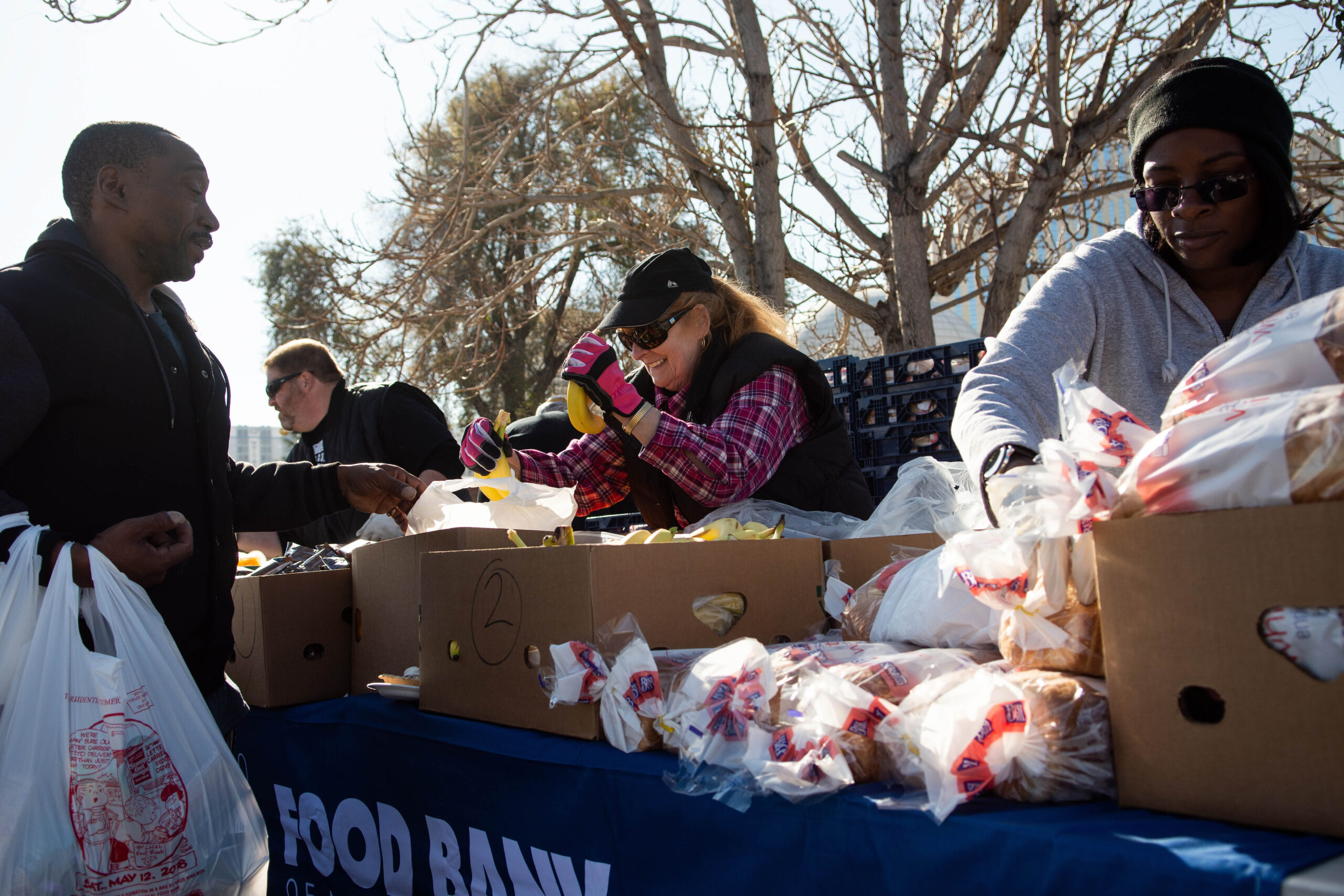
Federal food assistance expired for roughly 28,000 Nevadans Friday, after work requirements and other new eligibility rules to receive Supplemental Nutrition Assistance Program (SNAP) benefits took effect.
The requirements — passed by congressional Republicans through the One Big Beautiful Bill Act and signed into law by President Donald Trump (R) last summer — primarily target able-bodied adults and are projected to cause a 6 percent decrease in the number of Nevadans on SNAP, which experts say is the most effective hunger reduction program in the U.S.
Participation in SNAP was declining nationwide before the eligibility changes took effect, according to a recent study by the Center for Budget and Policy Priorities, a left-leaning think tank.
Nevada saw one of the largest drops, with the number of residents enrolled in the benefits program falling roughly 14 percent to 426,000 in April 2026, the state's Division of Social Services (DSS) confirmed to The Indy. That marks one of the lowest enrollment amounts for Nevada since at least 2017.
Kelly Cantrelle, the DSS deputy administrator who oversees SNAP, said the decline was likely due to "overarching broader federal and economic factors." She also said it could be because the federal megabill made noncitizens ineligible to receive SNAP benefits, a change Nevada officially implemented last October.
Critics say the bill was aimed at dismantling SNAP. They also warn the downward trend in program participation, coupled with the new eligibility changes, could boost food insecurity and hurt the U.S. economy.
"The law did what it was intended to do," said Shane Piccinini, the government relations director with the Food Bank of Northern Nevada.
As his group and similar organizations brace for increased demand, Piccinini has been working for months with the state to educate Nevadans on how they can maintain their SNAP eligibility.
The new rules were originally slated to take effect Feb. 1, 2026, but were pushed to May because of a pending federal lawsuit. In February, it was estimated that more than 43,000 Nevadans would lose their benefits, but with the extra time, the state was able to reach more people and assist them in remaining eligible.
Cantrelle said the state was still awaiting federal guidance on many elements of the new bill, including details about how to enforce the new work requirements. But she encouraged Nevadans not to be deterred by the changes.
"When you're talking about losing so many people from participation, getting the word out about resources and where they can go for assistance is so important, and knowing that it's still safe to come in and apply," Cantrelle said. "If you're not sure if you qualify, come in and apply. … There could be some assistance for you."
Read below to learn about the changes to the SNAP program.
What are the new SNAP eligibility rules?
The federal government generally requires able-bodied adults without dependents to work, volunteer or participate in work-study programs for at least 20 hours a week if they want to receive SNAP benefits.
But for the last two decades, those work requirements did not apply to SNAP recipients in Nevada because of the state's higher-than-average unemployment rate. That's changed now, as the One Big Beautiful Bill Act made it more difficult for states to receive work requirement waivers.
Mineral County is the only county in Nevada whose unemployment rate is still high enough (10 percent) to make it exempt from work requirements.
That means that unless they have an exemption, Nevadans aged 18 through 64 must meet work requirements to receive SNAP benefits — an age range that was slightly widened in last year's megabill.
Adults can be exempt from work requirements for several reasons, including if they have a disability, live with children under 14, are pregnant or are a member of a Native American nation or tribe. The state is urging Nevadans to speak with DSS case managers to see if they qualify for an exemption.
Previously, adults were also exempt from work requirements if they were homeless, a veteran or were in foster care in their youth. Last year's bill removed those exemptions.
The state provides more information about SNAP benefits on its website.
Beth Martino, President and CEO of the food bank Three Square, said the changes can be overwhelming for Nevadans reliant on food assistance.
"It can be complicated in terms of just simple questions," Martino said. "Like, what sort of jobs or work would help me meet this requirement? How do I demonstrate that I've complied? Where do I send my paperwork?"
Can noncitizens still receive SNAP benefits?
No. Separate from the new work requirements, last year's federal bill additionally narrowed eligibility by making noncitizens, including those with refugee or asylum status, ineligible for SNAP benefits.
An estimated 2,200 noncitizens in Nevada lost their SNAP benefits in October, DSS spokesperson Kristle Mussle told The Indy.
What if Nevadans don't meet the new work requirements?
Qualifying adults who do not meet work requirements can generally only receive three months of SNAP benefits over every three-year period, although there are exceptions.
Nevadans can requalify for SNAP by finding a job or beginning job training or volunteering.
The state agency's resources page provides a list of community partners where Nevadans might find work.
How will the reductions to SNAP affect the economy?
SNAP has been shown to boost consumer spending and grow the economy, and is more effective at addressing food insecurity than food drives or pantries because of the program's scale and the flexibility of the benefits.
Cantrelle told state lawmakers during a Tuesday meeting that the 28,000 Nevadans being cut off from SNAP receive around $5.3 million in benefits. But she said the economic impact goes well beyond the sticker price.
"It's not just the people who will lose the benefits, but it's also the entire food chain," she said. "Not just the retailers but the farmers, the ranchers, the truckers who bring the food in and out. … Anyone who works in the food supply chain is affected."
What other resources are there?
The largest food banks in Nevada are the Food Bank of Northern Nevada and Three Square, which serves Southern Nevada.
Piccinini and Martino said they expect their organizations' demand to dramatically rise now that some residents' benefits have expired.
The two organizations partner with charities, food pantries and groups throughout their coverage areas to ensure there is free food available on a daily basis across Nevada.
For a full list of resources, visit the food banks' websites to find information about free food in Northern Nevada and in Southern Nevada. Nevadans can also use the state's 211 service to locate more food resources.
There are also new work requirements for Nevadans receiving Medicaid, although the rules are slightly different than those for SNAP.
Up to 143,000 Nevadans could lose their eligibility for Medicaid because of those changes — a group that has a huge amount of overlap with Nevada's pool of SNAP recipients, Cantrelle said.
This article was updated at 10:30 a.m. on 5/1/2026 to reflect that approximately 2,200 noncitizens in Nevada were removed from SNAP assistance in October 2025.
Support Independent Elections Coverage and Journalism in Nevada
You’ve enjoyed unlimited access to our reporting because we’re committed to providing independent, accessible journalism for all Nevadans.
But sustaining this work — informing communities, holding leaders accountable, and strengthening civic life — depends on readers like you.
Nevada needs strong, independent journalism. Will you join us?
A gift of any amount helps keep our reporting free and accessible to everyone across our state and funds our elections coverage.
Choose an amount or learn more about membership