The Nevada Independent

Your state. Your news. Your voice.

The Nevada Independent

Churchill County School District
What Happened Here: How COVID threw learning in flux, reshaping education for the future

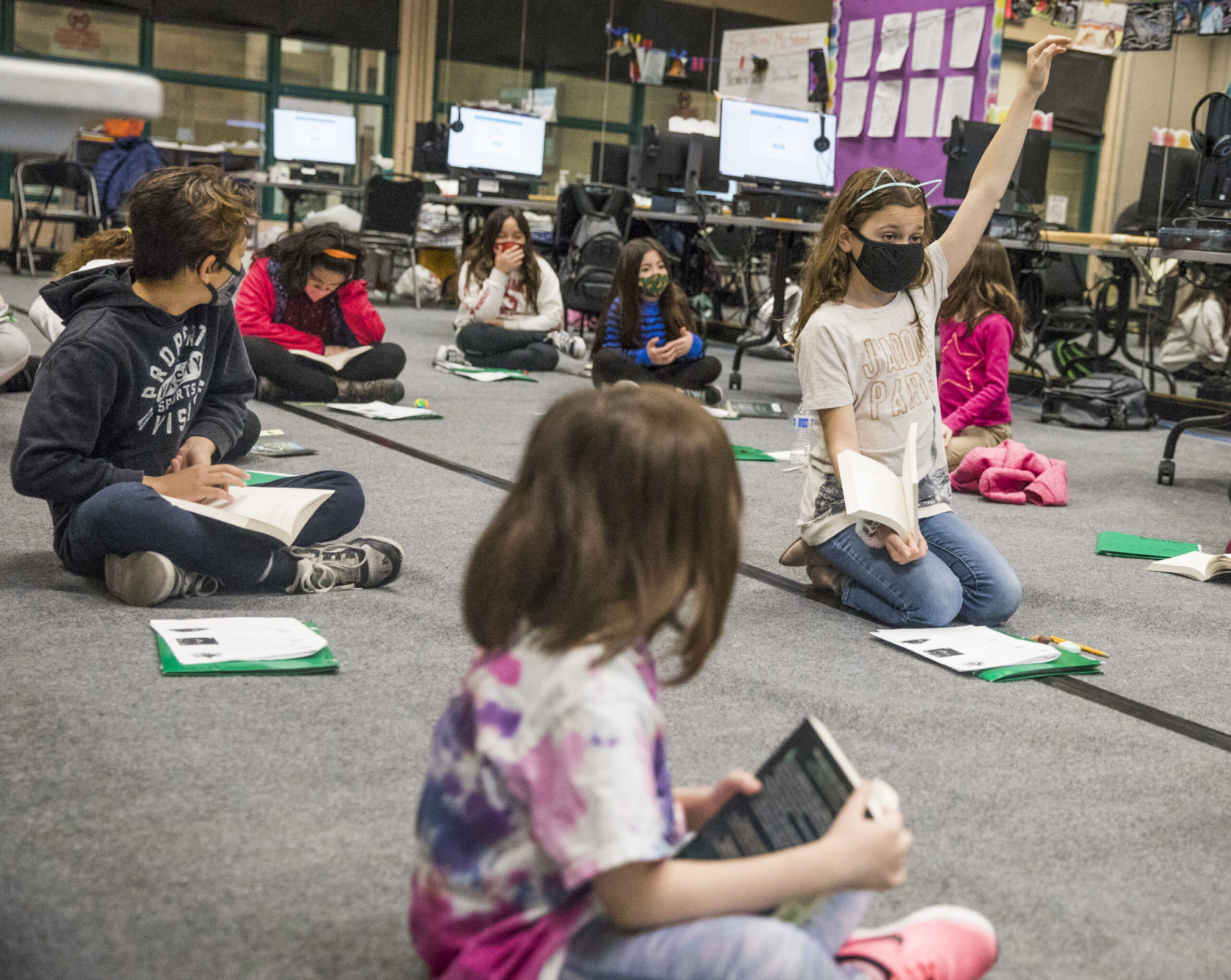
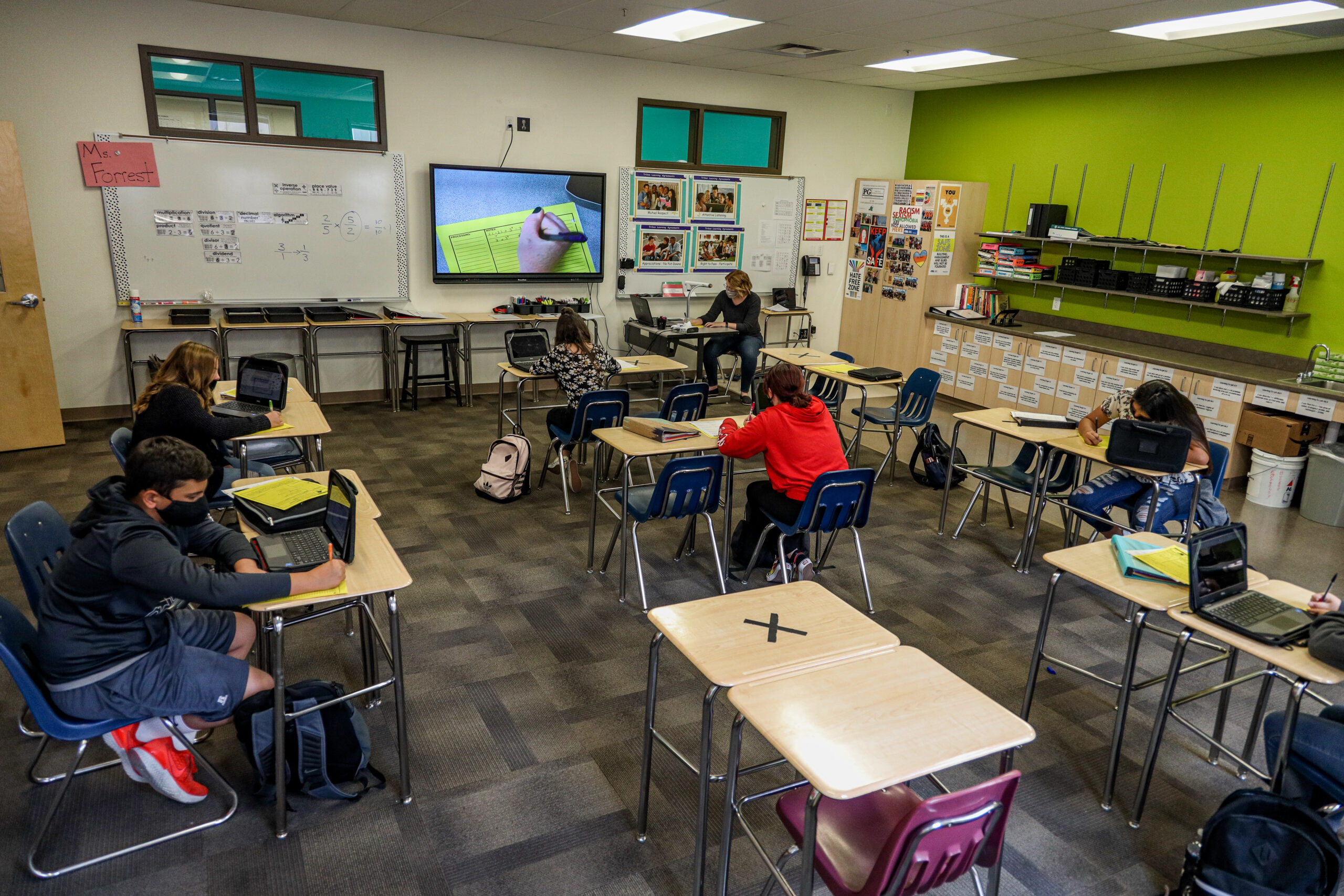
The looming battle in K-12 education isn't just about erasing learning loss and repairing children's damaged mental health. It's also about steering clear of a return to the status quo.

Sign up for our newsletters

The Daily Indy
Join more than 20,000 Nevadans who start their day with The Daily Indy, our free flagship daily newsletter that gives you what you need to know in Nevada today.
Indy Elections
This newsletter takes you behind the headlines of Nevada politics, delivering scoops and smart analysis on the races that could reshape our lives.
Indy Environment
Reporter Amy Alonzo peels back the curtain on her environmental beat and curates some of the best land, water and energy journalism in the West in this monthly newsletter.
Indy Gaming
Howard Stutz’s weekly dive into what’s innovative and interesting in Nevada’s gaming, sports and hospitality industries and how it’s shaping the rest of the world.
Indy Education
Reporter Rocio Hernandez takes readers inside Nevada’s K-12 school system, delivering the latest education policy news and exclusive interviews with movers and shakers in this twice-monthly newsletter.

In rural Nevada, bridging the education 'digital divide' largely means improving internet access

Even if Angela McVicars and her school-age daughters started the day with functioning internet, a sense of foreboding clouded their remote learning. They knew it was a matter of when, not if, the internet connection would suddenly freeze and require a manual reboot — a process that could take a handful of minutes or close to an hour if a call to their service provider was needed.

Reports of childhood abuse and neglect drop during March, but officials and advocates worry about underreporting

With school buildings shut down through at least the end of the academic year, children are interacting with fewer adults who are on the lookout for signs of abuse and neglect. The state has received 14 percent fewer reports this March than 2019 — a trend experts think is not because there is less abuse during a time of great economic hardship and emotional strain, but because of underreporting.