
Proponents' rallying cry is "equal rights for victims." They say it is unfair that people accused of a crime have more constitutional rights than those affected by a crime. Opponents describe the measure as "a solution in search of a problem that does not exist."
Nevada voters will weigh in this election on Marsy's Law, a measure that seeks to strengthen the rights of victims but faces opposition from those who say it could infringe on the rights of the accused. See more in our video explainer.
Sign up for our newsletters
The Daily Indy
Sunday-Friday
Sign up to get exclusive Nevada news and analysis right in your inbox.
Indy Elections
Every Tuesday
Our reporters take you beyond the sound bites to dig into Nevada politics, delivering scoops and smart analysis on key races and important policy issues.
Indy Environment
Monthly
From hiking trails to town hall meetings, Amy Alonzo breaks news on the environmental beat and curates the best land, water and energy journalism in the West.

Indy Education
Twice monthly
Get schooled as Rocio Hernandez takes you inside Nevada’s K-12 education system, delivering insightful policy news and exclusive interviews with movers and shakers.

Indy Gaming
Every other Wednesday
Veteran reporter Howard Stutz explores what’s innovative and interesting in Nevada’s gaming, sports and hospitality industries and its interplay with global trends.
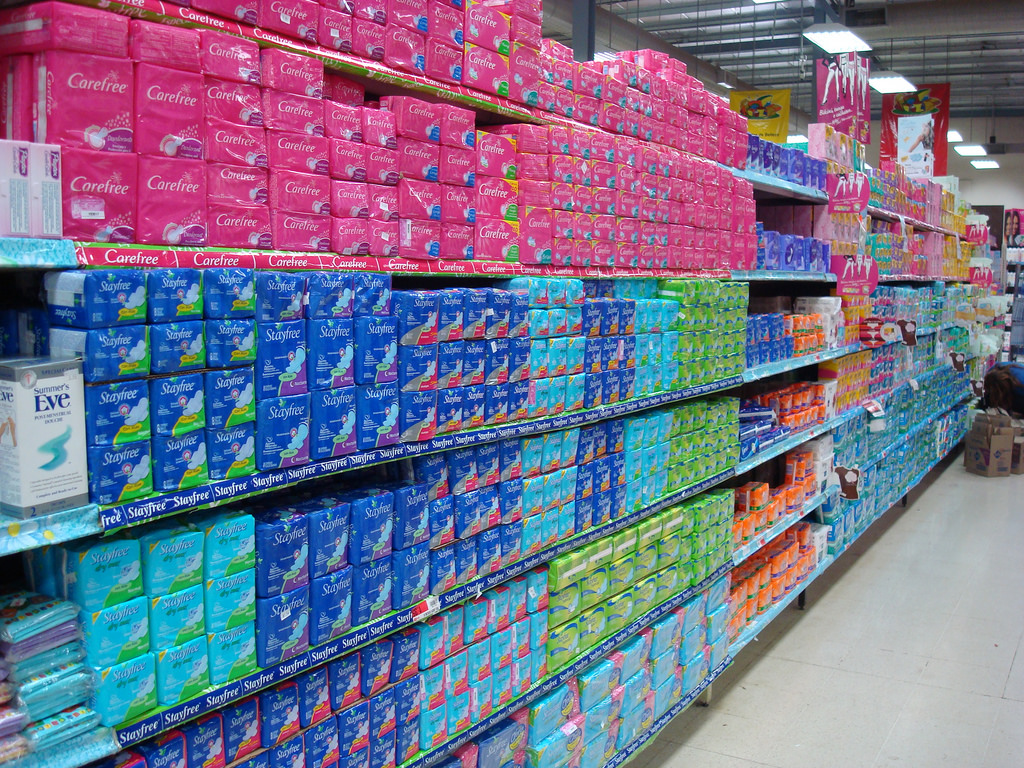
Nevada voters will weigh in on Question 2 in the 2018 election. What is the "Pink Tax," and how would the ballot question affect the price of feminine hygiene products — and the amount of tax revenue flowing into government coffers — if approved? Check out our video explainer.
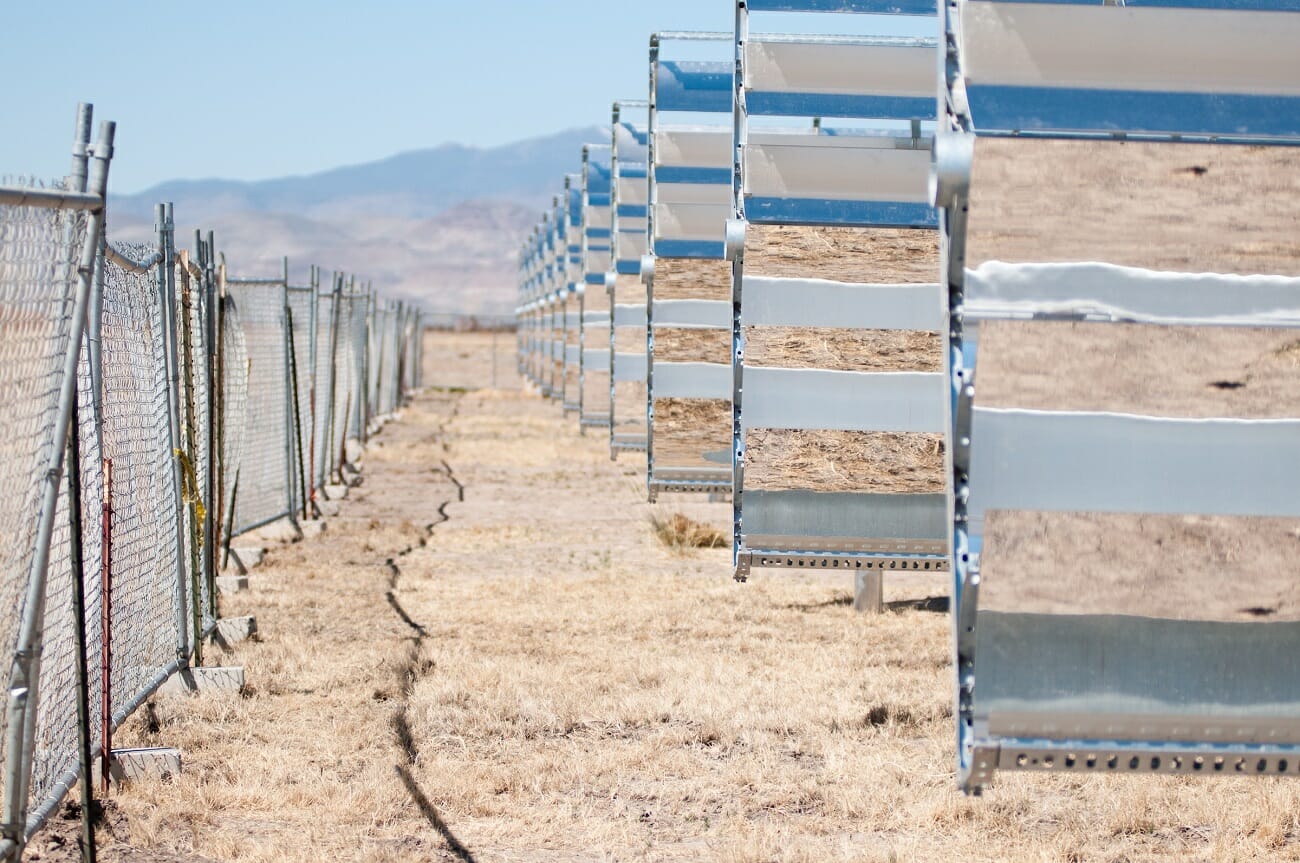
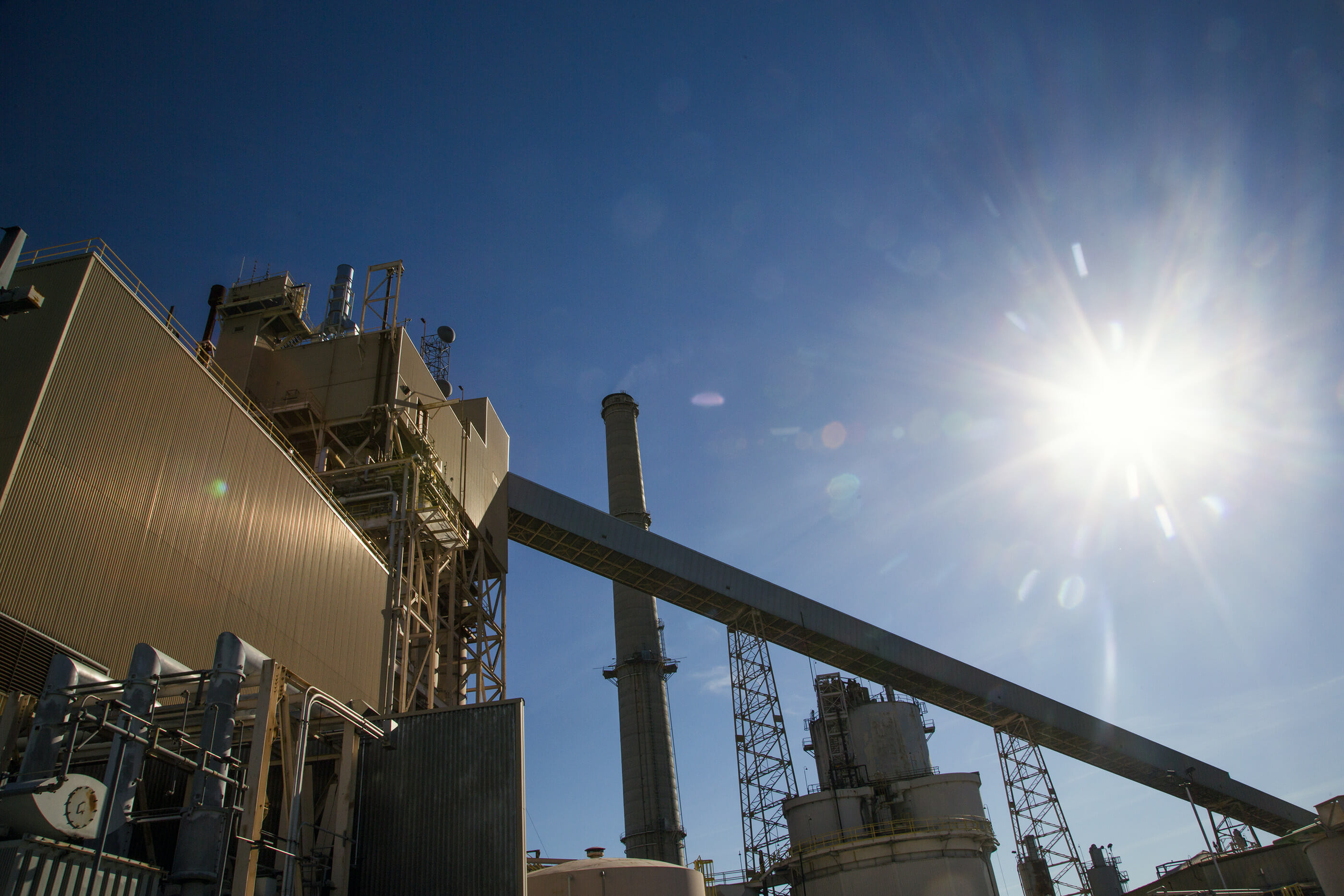
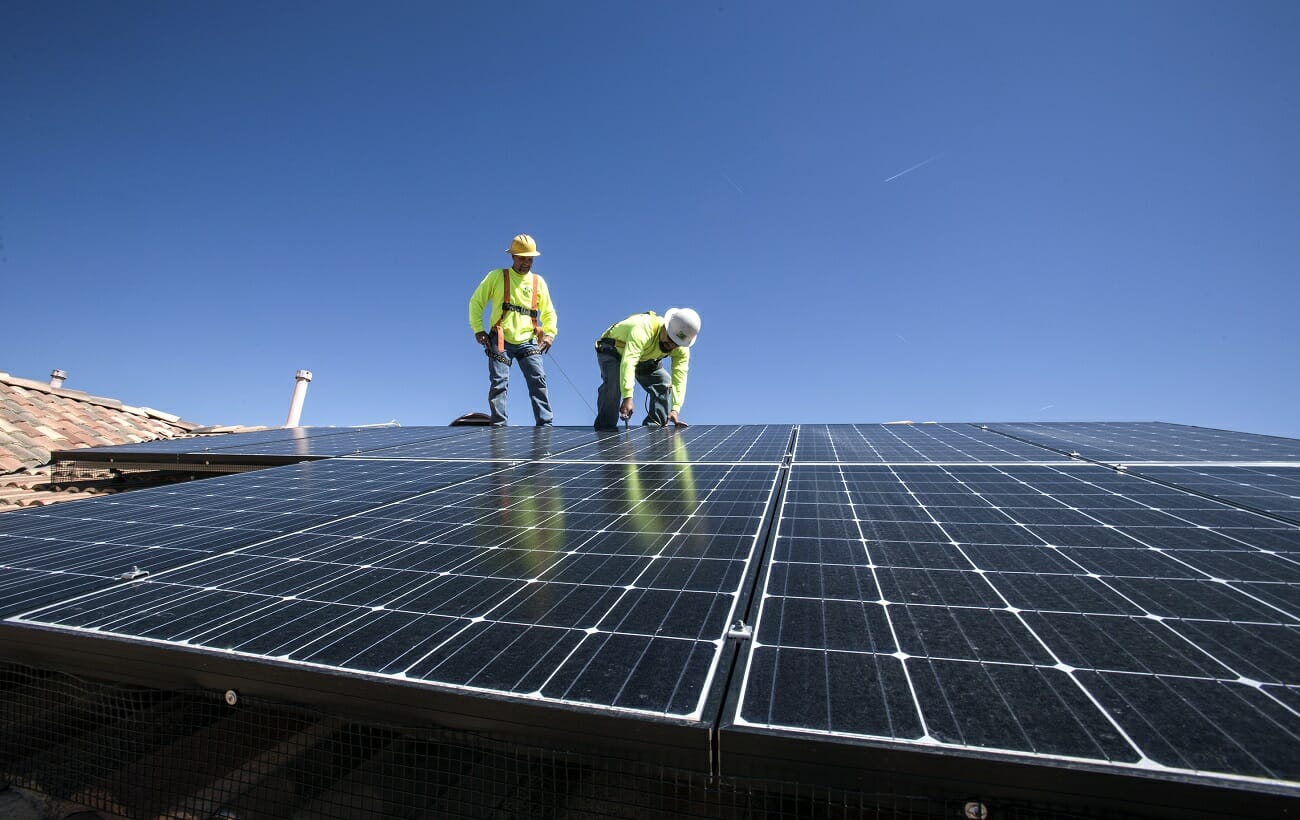
If approved, the measure would raise Nevada's Renewable Portfolio Standard, or RPS, to 50 percent by 2030. The state's current RPS is set at 20 percent and will increase to 25 percent by 2025. The only group to contribute funds to the PAC supporting the ballot measure is NextGen Climate Action, which has transferred more than $2 million to the organization since the last required campaign finance reporting deadline in June.
Nevada voters will have the chance this November to exempt durable medical equipment such as wheelchairs and oxygen tanks from the sales tax. Check out our video explainer of Question 4.
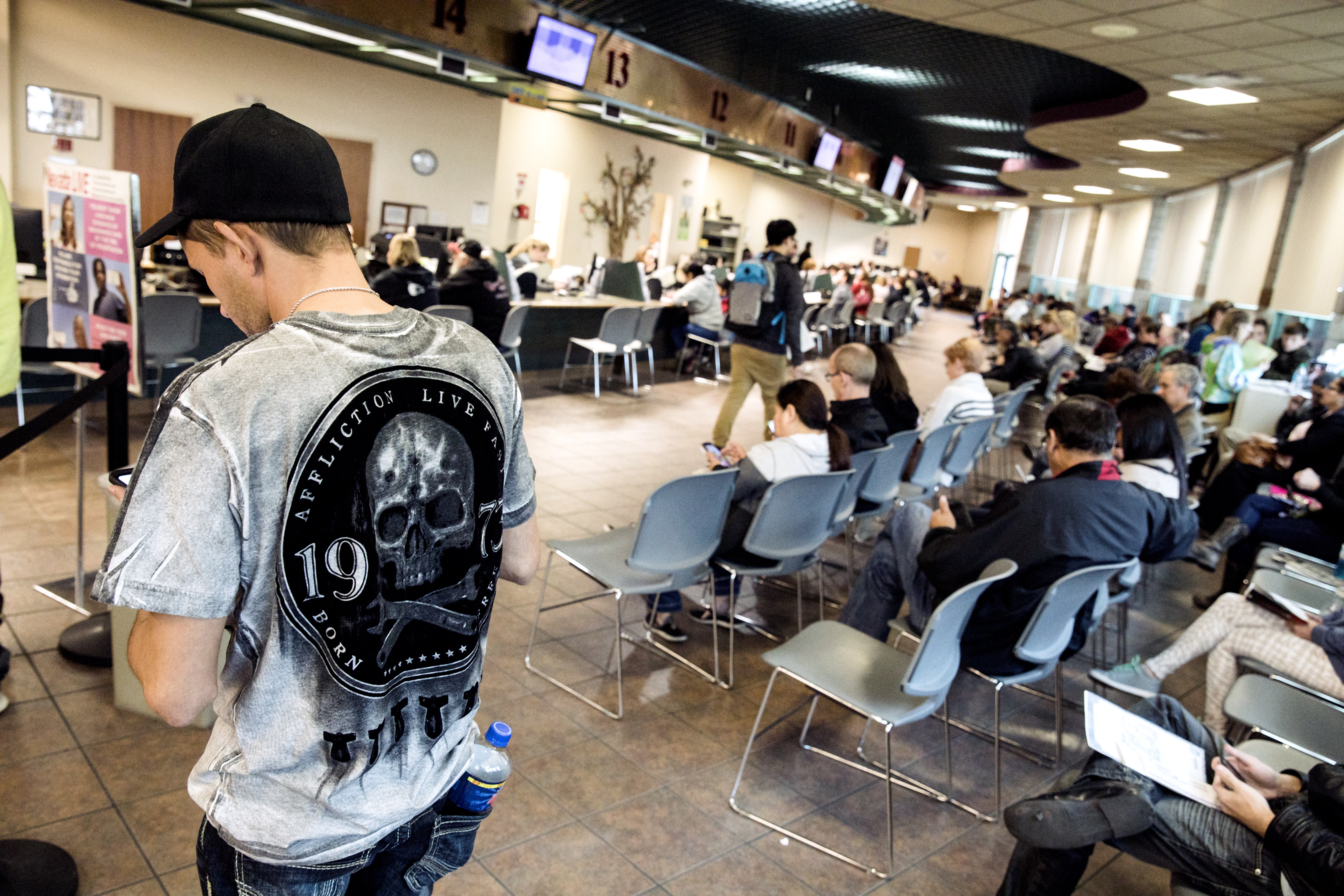
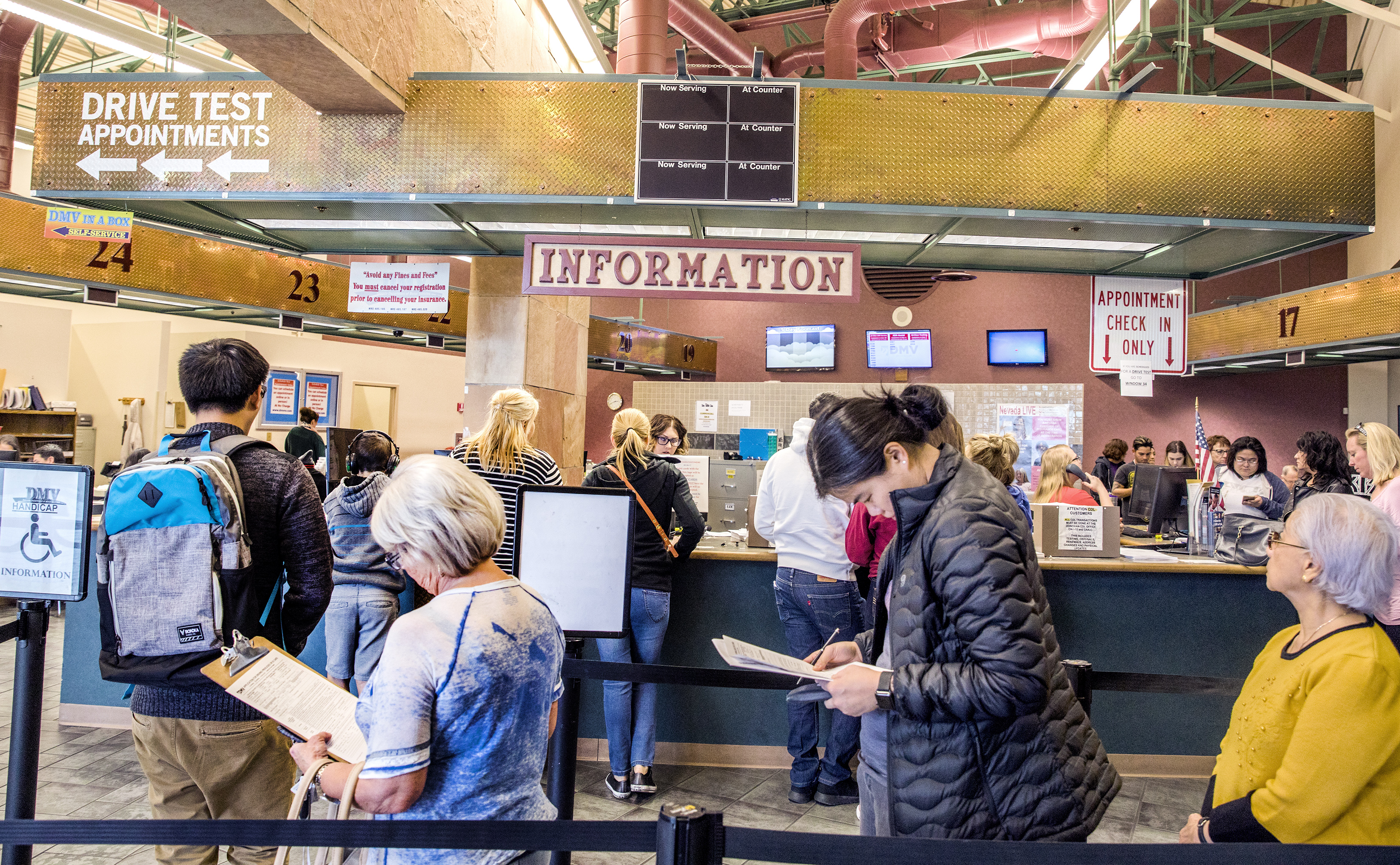
How would Automatic Voter Registration differ from the process the Department of Motor Vehicles already uses? And how would it actually change the way people in Nevada register to vote? We're here to help. Check out The Nevada Independent's short video explainer of all you need to know about Question 5.
Question 5 would change the Department of Motor Vehicles' voter registration process from an opt-in system to an opt-out system. People would be automatically registered to vote either when they apply for a driver's license or identification card or when they renew their license, unless they choose not to do so.
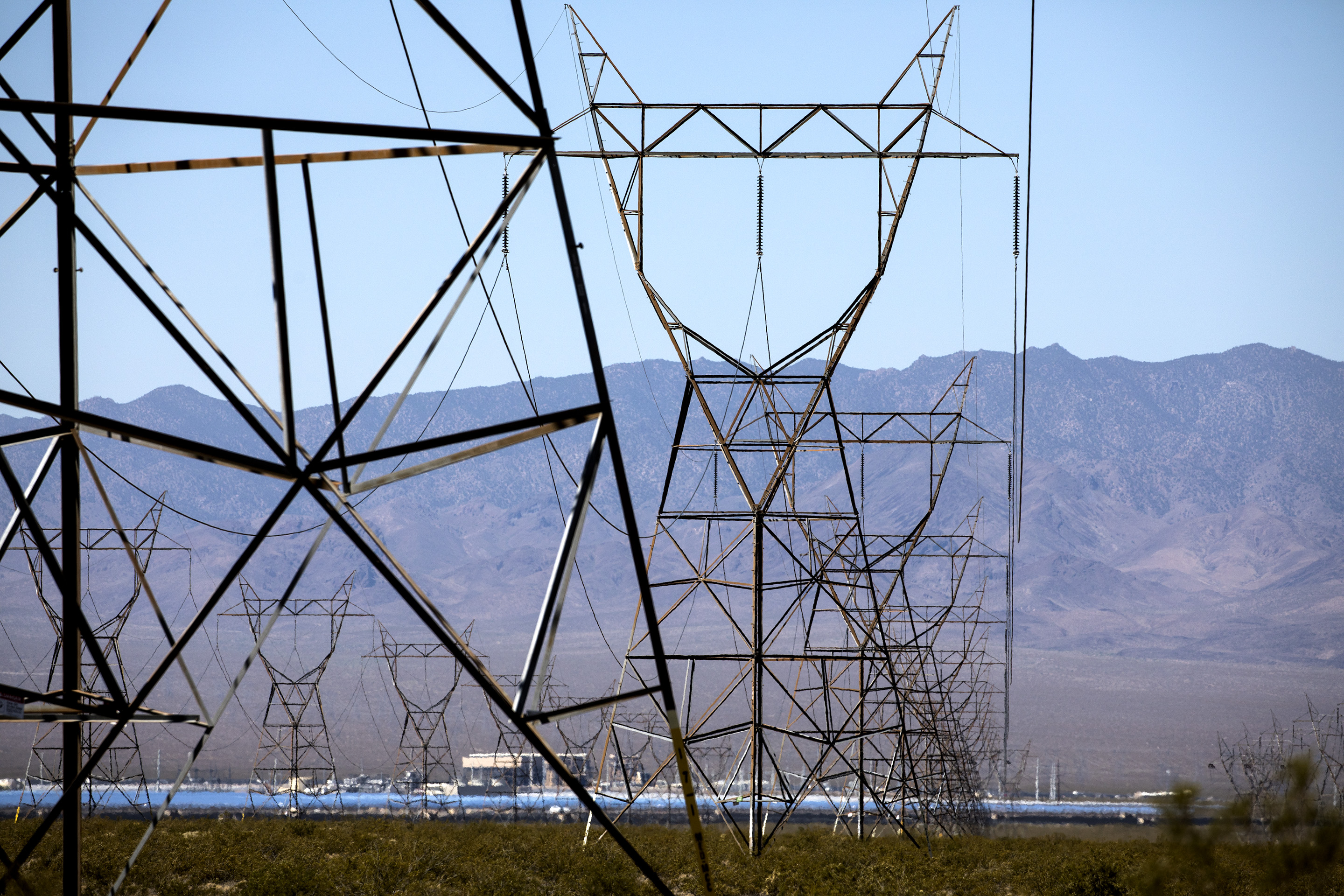
The initiative would amend Nevada's Constitution to require the state switch from a regulated monopoly model to a competitive retail electric system by 2023. That would mean abandoning the state's traditional model, where one company or utility — NV Energy — is granted exclusive rights over the generation, transmission and retail sale of electricity. Transmission, or the "wires" side of the electric market, will likely remain under the purview of one company, but the proposed change would open up generation and retail sale of electricity to multiple, private businesses.
No 2018 ballot question has elicited more questions — or attracted more campaign money spent to influence public opinion — than Question 3, the Energy Choice Initiative. If approved, the proposed constitutional amendment would require Nevada lawmakers to create and adopt a competitive retail electric market by 2023, leaving the current regulated monopoly model in the dustbin of history.
Nevada voters have a chance in November to take the first step in mandating that more renewable energy be used in Nevada. Question 6, which is also called the Renewable Energy Promotion Initiative, would require Nevada to gradually raise its Renewable Portfolio Standard to 50 percent by 2030, double the state's current mandate of 25 percent by 2025. Because the ballot measure is a proposed constitutional amendment, it needs to pass in 2018 and 2020 to actually take effect.
Proponents of Question 2 say feminine hygiene products should be left out of the sales tax just as medical products including bandages and prosthetic devices are, and they note that the Food and Drug Administration classifies the tampons as a medical product.
A measure backed by a medical equipment supplier would exempt so-called durable medical equipment — things such as oxygen tanks, ventilators and wheelchairs — from taxation. Prosthetics, orthotics and some other medical supplies are already exempt from taxation under Nevada law.