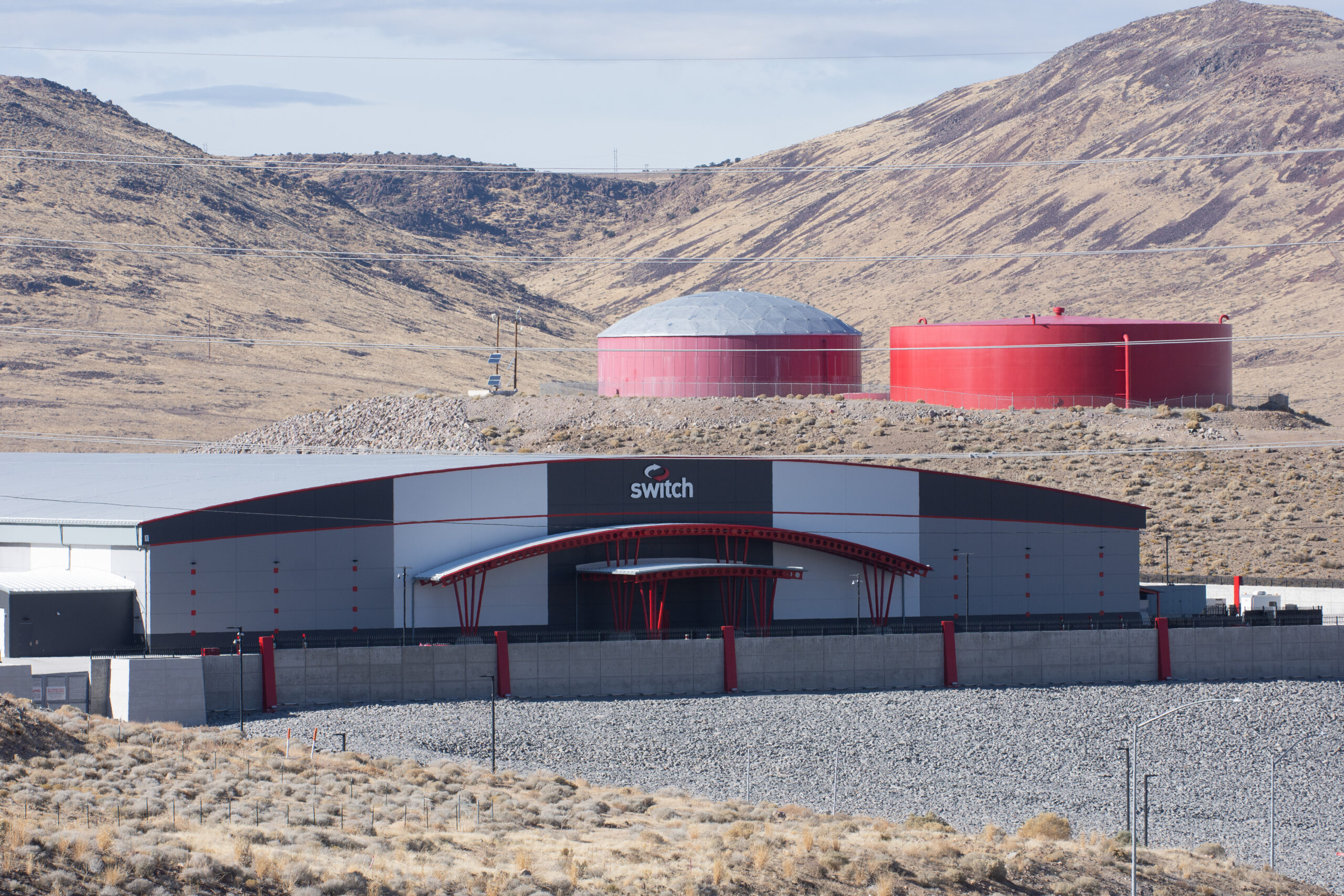
Judge: Water regulators did not overstep in rejecting the company's paperwork after discovering a conflict in the chain of title for water rights it bought in 2020.
Sign up for our newsletters
The Daily Indy
Sunday-Friday
Sign up to get exclusive Nevada news and analysis right in your inbox.
Indy Elections
Every Tuesday
Our reporters take you beyond the sound bites to dig into Nevada politics, delivering scoops and smart analysis on key races and important policy issues.
Indy Environment
Monthly
From hiking trails to town hall meetings, Amy Alonzo breaks news on the environmental beat and curates the best land, water and energy journalism in the West.
Indy Education
Twice monthly
Get schooled as Rocio Hernandez takes you inside Nevada’s K-12 education system, delivering insightful policy news and exclusive interviews with movers and shakers.
Indy Gaming
Every other Wednesday
Veteran reporter Howard Stutz explores what’s innovative and interesting in Nevada’s gaming, sports and hospitality industries and its interplay with global trends.
A new online platform, developed in part by Nevada researchers, aims to address a major data gap in Western water management. Daniel Rothberg writes more about the recently launched platform in his weekly environmental newsletter.
Cryptocurrency company Blockchains wants to build a new city in the desert. That will require water in an area where it is scarce. To get the water it needs, Blockchains is looking to rural Nevada. Last year, the company acquired water rights in northern Washoe County.
This week's edition of the Indy Environment newsletter looks at legislation in Congress that would fund a regional assessment of saline ecosystems in the Great Basin.
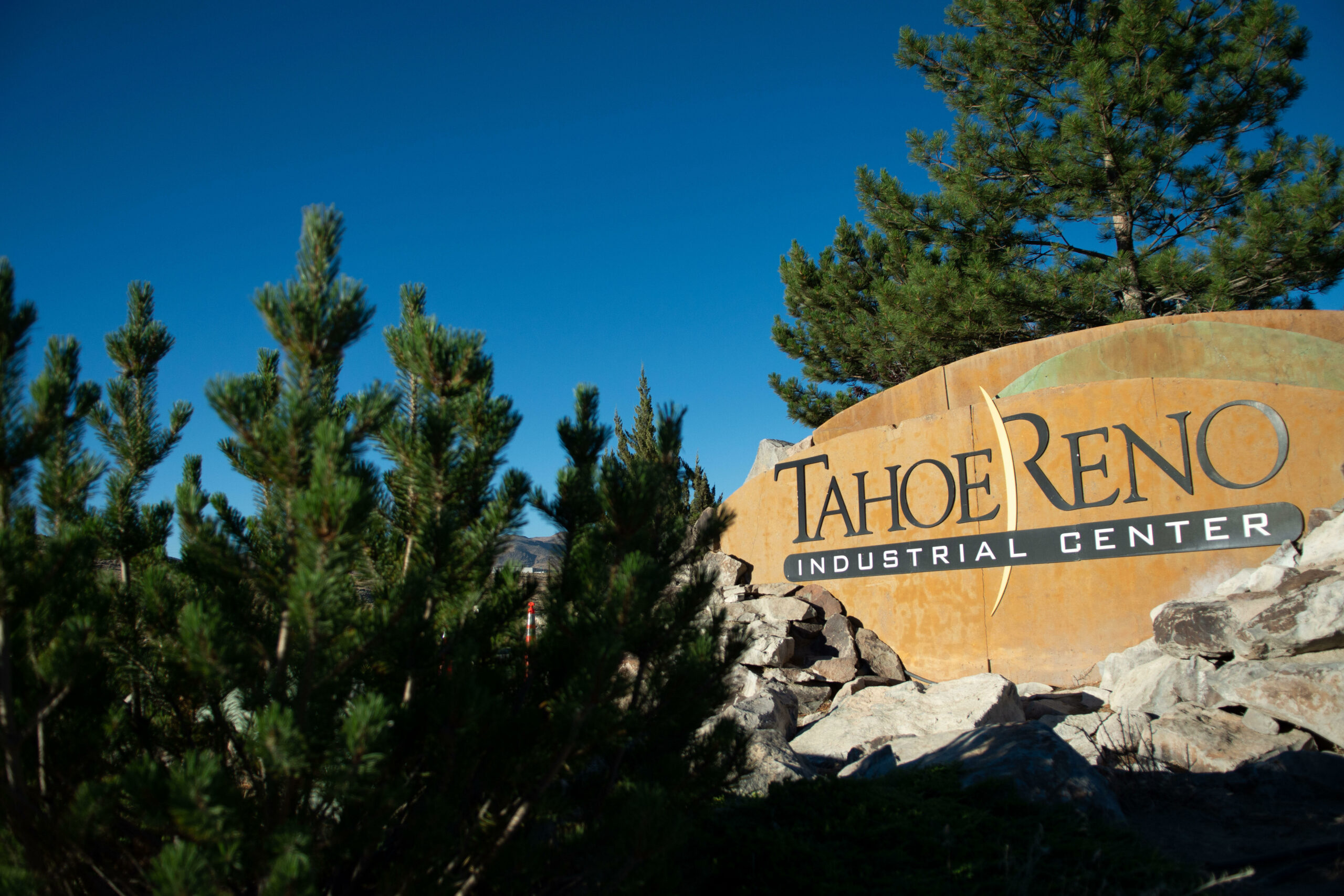
A medical waste disposal company with a record of environmental compliance issues is facing pushback over a proposal to build an incinerator at the Tahoe Reno Industrial Center outside of Reno.
In September, Mayor Hillary Schieve announced a pilot program designed to address the area's housing shortage called "1,000 homes in 120 Days," offering developers local permit fee deferrals that act as no-interest "loans" to attract more construction. By the end of the 120-day application period on Jan. 30, developers had proposed 4,628 housing units scattered throughout Reno.
Documents obtained through two public records requests offer new insight into the relationship between business and government at an industrial park that lured companies with incentives and support from the state. The letter comes amid new scrutiny of those practices. Last month, The Nevada Independent detailed how the industrial park's public water district, which wants to use eminent domain to build the pipeline project, blurred the line between a government and private utility for decades.
This week's edition of Indy Environment looks at the first presidential candidate to tour the Anaconda Copper Mine, litigation around the Southern Nevada Water Authority's pipeline project and the closure of the West's largest coal plant.
If you ask most right-leaning folks what they want from government regulators, they'll usually just tell you, "less." If you ask most left-leaning folks, they will argue for regulators to have more power over our lives, unless it affects them personally in any sort of negative way, and then they'll also tell you they want "less."
After blurring the line between a private and public utility for nearly two decades, the water district that serves the world's largest industrial park is looking to part ways with a developer. Those actions come after The Nevada Independent reported this month that the public water district, with the governmental power to seize private property, is operated by a private entity.
This edition of the Indy Environment newsletter looks at a federal lawsuit challenging the permitting of a mine near Eureka. It is the latest challenge to a large open-pit mining proposal that has been the subject of federal and state regulatory appeals for years.
Documents, election records and interviews show an insular county gave a private water company controlled by the Tahoe-Reno Industrial Center (TRIC) the power of a public entity. The deal reflects greater tensions about whether certain companies are benefiting from the region's rapid growth and which politicians have given them an upper hand.
Years after the Great Recession ravaged the Nevada economy, could several cities across the state really find themselves among the most "dynamic" metro areas in the country?
Earlier this month, the water provider for the Tahoe Reno Industrial Center asked a judge to let it wield a powerful tool that's typically reserved for governmental bodies: eminent domain. But after concerns were raised about open meeting requirements, it is reconsidering the issue.