The law could lead to the reinstatement of thousands of suspended drivers' licenses because it also applies to drivers whose licenses were suspended for court-related debt before Oct. 1.
The $2.8 million spent on lobbying activities in 2021 marked the first time since 2005 that spending dipped below $3 million, and represented roughly 72 percent of lobbying expenditures reported during the 2019 session.
Sign up for our newsletters
The Daily Indy
Sunday-Friday
Sign up to get exclusive Nevada news and analysis right in your inbox.

Indy Elections
Every Tuesday
Our reporters take you beyond the sound bites to dig into Nevada politics, delivering scoops and smart analysis on key races and important policy issues.

Indy Environment
Monthly
From hiking trails to town hall meetings, Amy Alonzo breaks news on the environmental beat and curates the best land, water and energy journalism in the West.

Indy Education
Twice monthly
Get schooled as Rocio Hernandez takes you inside Nevada’s K-12 education system, delivering insightful policy news and exclusive interviews with movers and shakers.

Indy Gaming
Every other Wednesday
Veteran reporter Howard Stutz explores what’s innovative and interesting in Nevada’s gaming, sports and hospitality industries and its interplay with global trends.
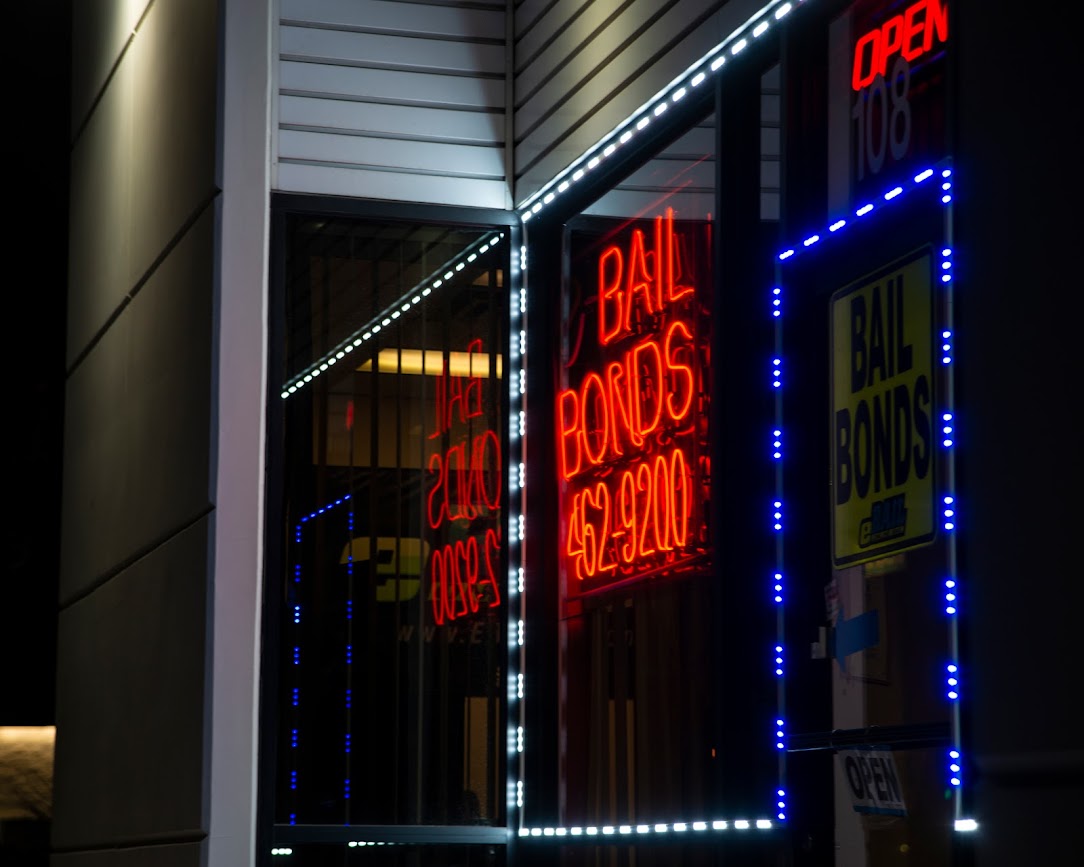
"You should make any effort to take appropriate channels to get that handled within an hour because a person in that [dungeon] — it's irreparable damage," said activist Jagada Chambers.
Advocates have drawn parallels between misdemeanors and racist practices dating back to the Reconstruction Era and said lawmakers and officials need to reevaluate what is considered a misdemeanor.
The Las Vegas Metropolitan Police Department (LVMPD) at first indicated that the bill would cost the agency an estimated $22.6 million for the biennium to implement, but Harris said the agency informally, through emails, had submitted an updated fiscal note that would bring down that amount to about $7 million after the bill was amended to only include traffic stops, not all kinds of stops. All other police agencies that had submitted fiscal notes on the bill withdrew them after the amendment was adopted.
The bill, which also declares that it is not the primary purpose of local law enforcement to enforce civil federal immigration law, is part of a long struggle between immigrant advocates and police agencies over practices such as jails holding inmates longer than they otherwise would in order to give immigration officials a chance to take custody of them.
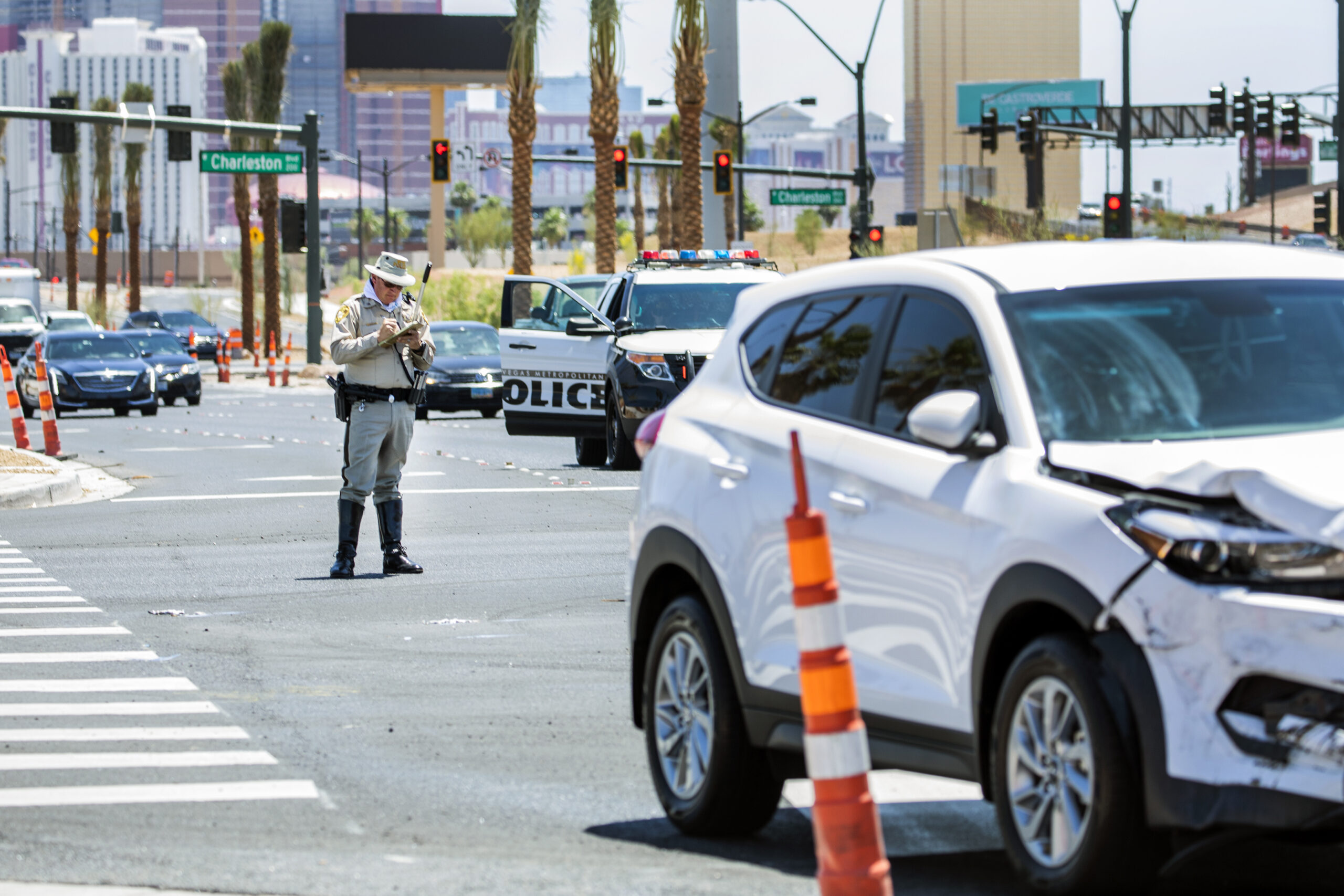
Many of the same arguments from 2003 reappeared on Wednesday during a Senate Judiciary committee hearing on SB236, a bill introduced by Sen. Dallas Harris (D-Las Vegas) that would re-start data collection and analysis on traffic stops, and require police departments to implement a system of tracking "bias indicators" for individual officers.
While Nevada is one of just 13 states to categorize a traffic ticket as a criminal issue, efforts to downgrade it have failed in sessions dating back to at least 2013 and in spite of an interim study on the topic.
Even though quotas for tickets or arrests aren't written down in official policy, representatives of police unions told lawmakers that many agencies still operate under a cultural assumption that the more tickets issued or more arrests made, the better.
The bill that would require the Department of Health and Human Services to form the task force, AB143, also includes a provision for developing a statewide plan for the delivery of services to victims of human trafficking.
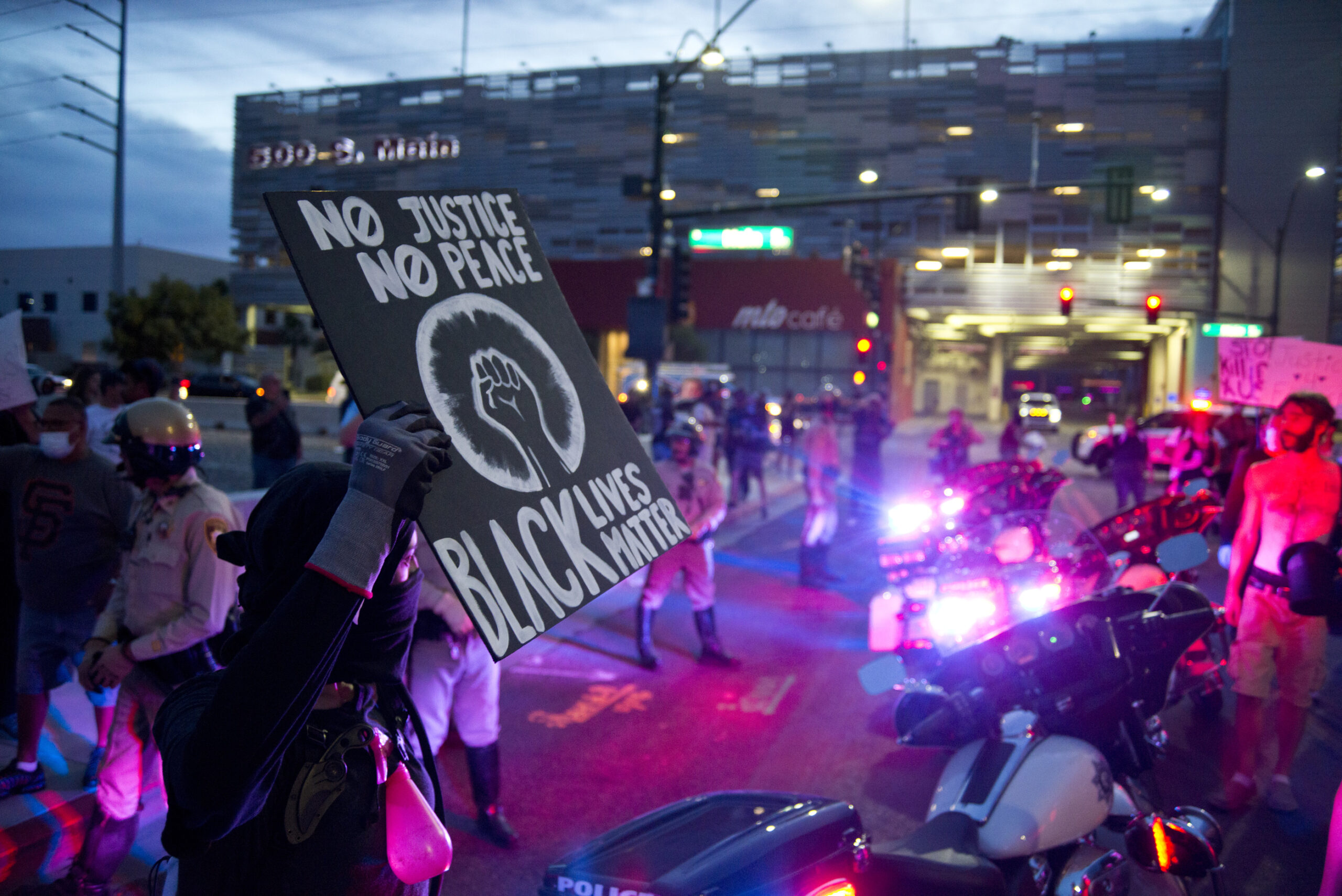
In this edition: major updates from state grants office initiatives, criminal justice updates, how Vegas police have changed policies after Black Lives Matter protests this summer, a Sisolak Promise Tracker update and some noteworthy numbers from the higher education system.
Both bills, AB3 and SB2, were introduced during the special session amid promises by Gov. Steve Sisolak and legislative leaders to tackle criminal justice reform issues in the wake of the police killing of George Floyd in Minnesota, which sparked protests around the world and in Nevada.
A bill that restricts police use of chokeholds, allows recording of law enforcement and calls for drug testing of officers involved in shootings passed the Assembly with bipartisan support, in spite of criticism that lawmakers could have gone further to address police brutality.
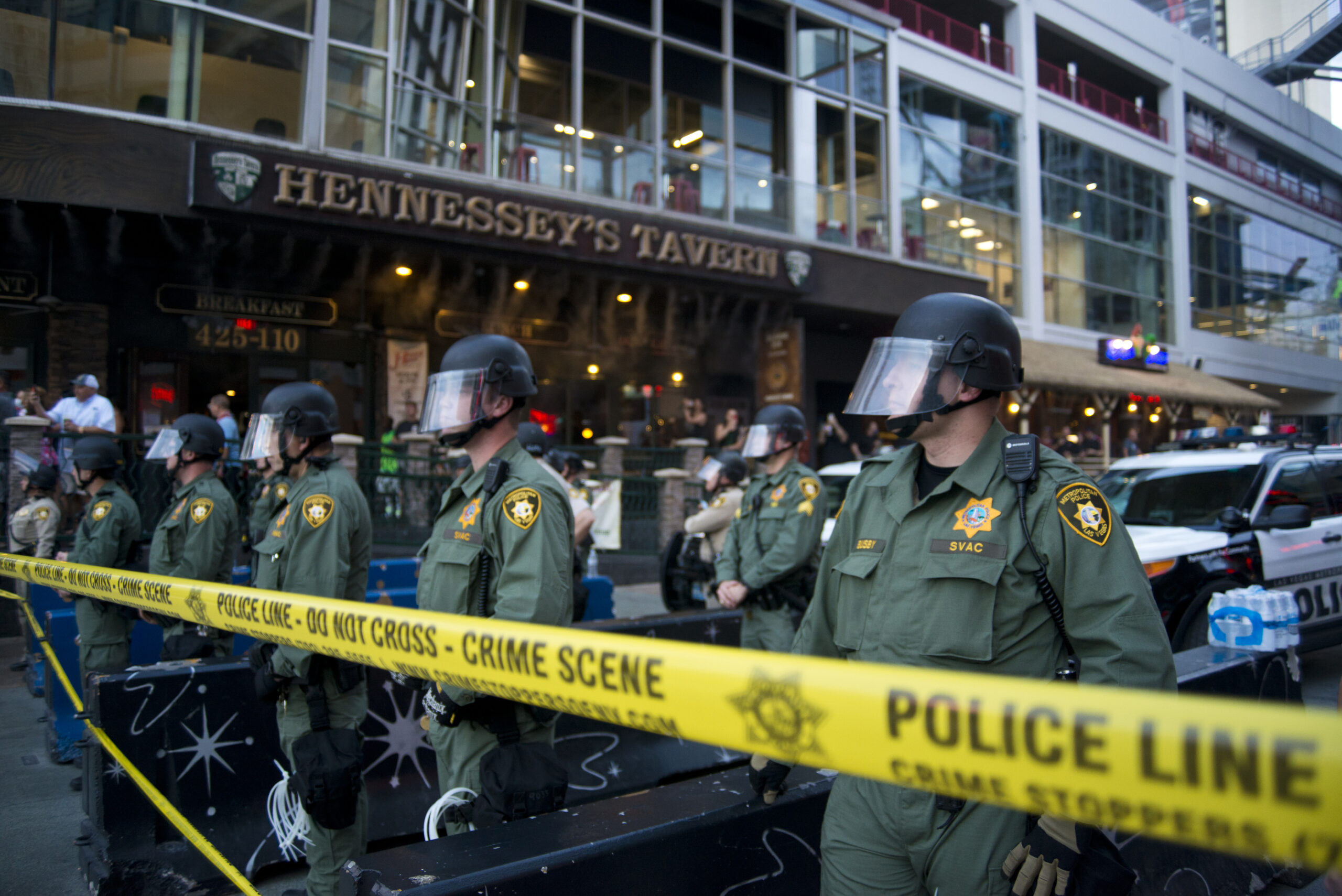
Law enforcement officials from both Washoe and Clark counties have characterized the majority of protesters as peaceful. Still, both police departments have deployed large groups of officers in tactical gear, prepared to launch tear gas and projectiles.
The Clark County Commission pushed back a vote on a proposed ordinance that would have banned the use of backpacks, strollers and other luggage at public protests and demonstrations at an emergency meeting Wednesday, amid questions that such a ban may produce a chilling effect on free speech.
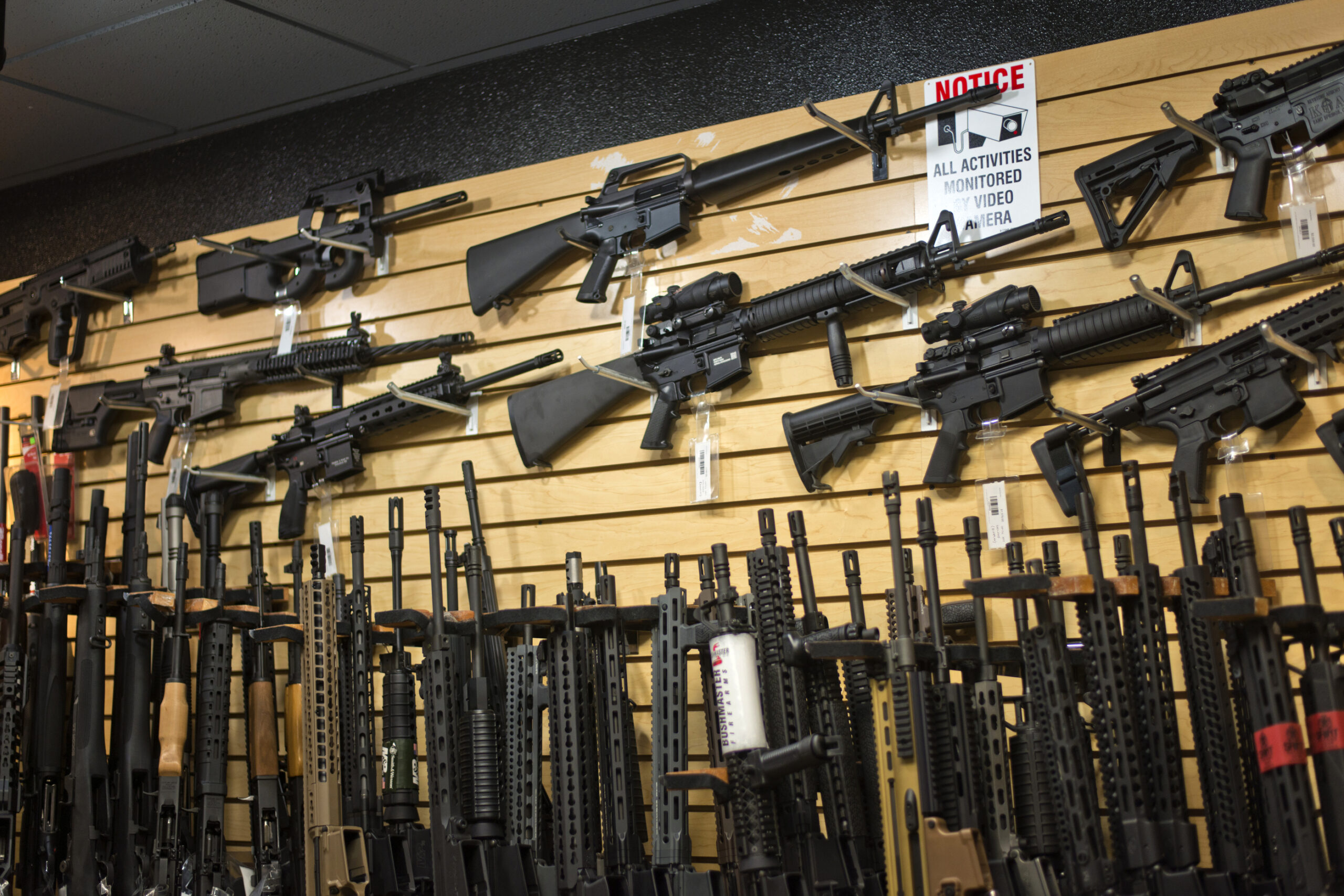
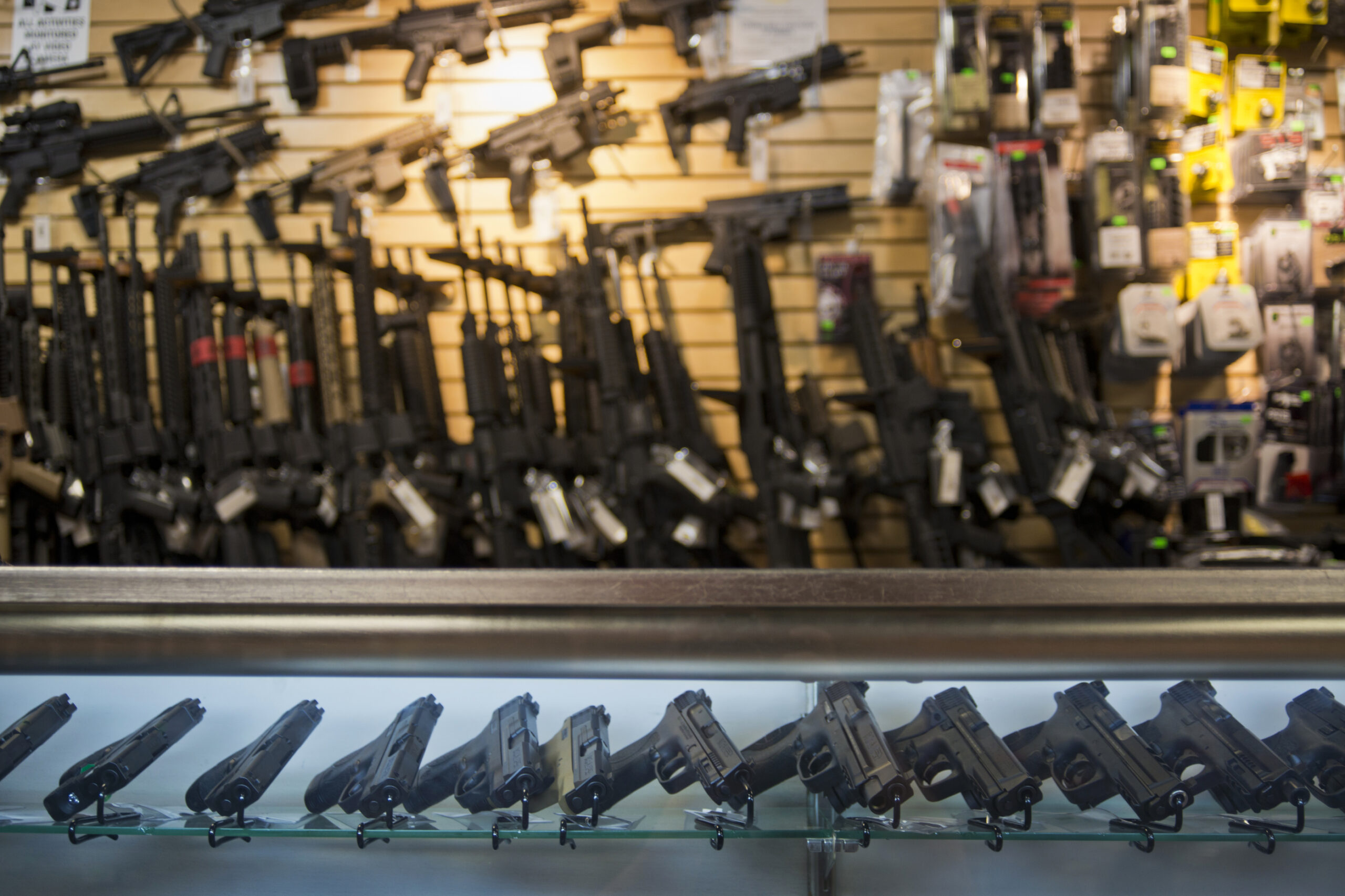
The bill, AB291, is scheduled to be heard in the Senate Judiciary Committee on Wednesday after it hit a snag earlier this month with labor unions fearful that provisions repealing the state's preemption law — which prohibits local governments from passing their own gun ordinances — could scare away the National Shooting Sports Foundation's annual SHOT show in Las Vegas.
No work session or committee vote was held on AB291 on Friday, but the bill is expected to receive a waiver from legislative deadlines for continued work and a future amendment — agreed to by several gun safety groups — removing language allowing local governments to preempt state gun laws and instead replacing it with "red flag" provisions, which allow law enforcement and family members to request a court order temporarily seizing an individual's firearms. It's also likely to include aspects of Democratic Assemblyman Ozzie Fumo's bill creating criminal penalties for negligently storing or leaving a firearm where a child can access it.
During a hearing in the Senate Commerce and Labor Committee on Wednesday, Democratic Sen. Mo Denis and Assemblyman Edgar Flores discussed the details of SB229, a bill that seeks to ban an owner or operator of a hotel from divulging personal information about its guests "for any purpose relating to the enforcement of immigration laws."
Even when police and city officials see telltale signs that women are living full-time in massage parlors and working illegally as prostitutes, it can be a near-impossible task to get victims to testify against the people who are profiting from them and shut the business down once and for all, officials told lawmakers on Tuesday.