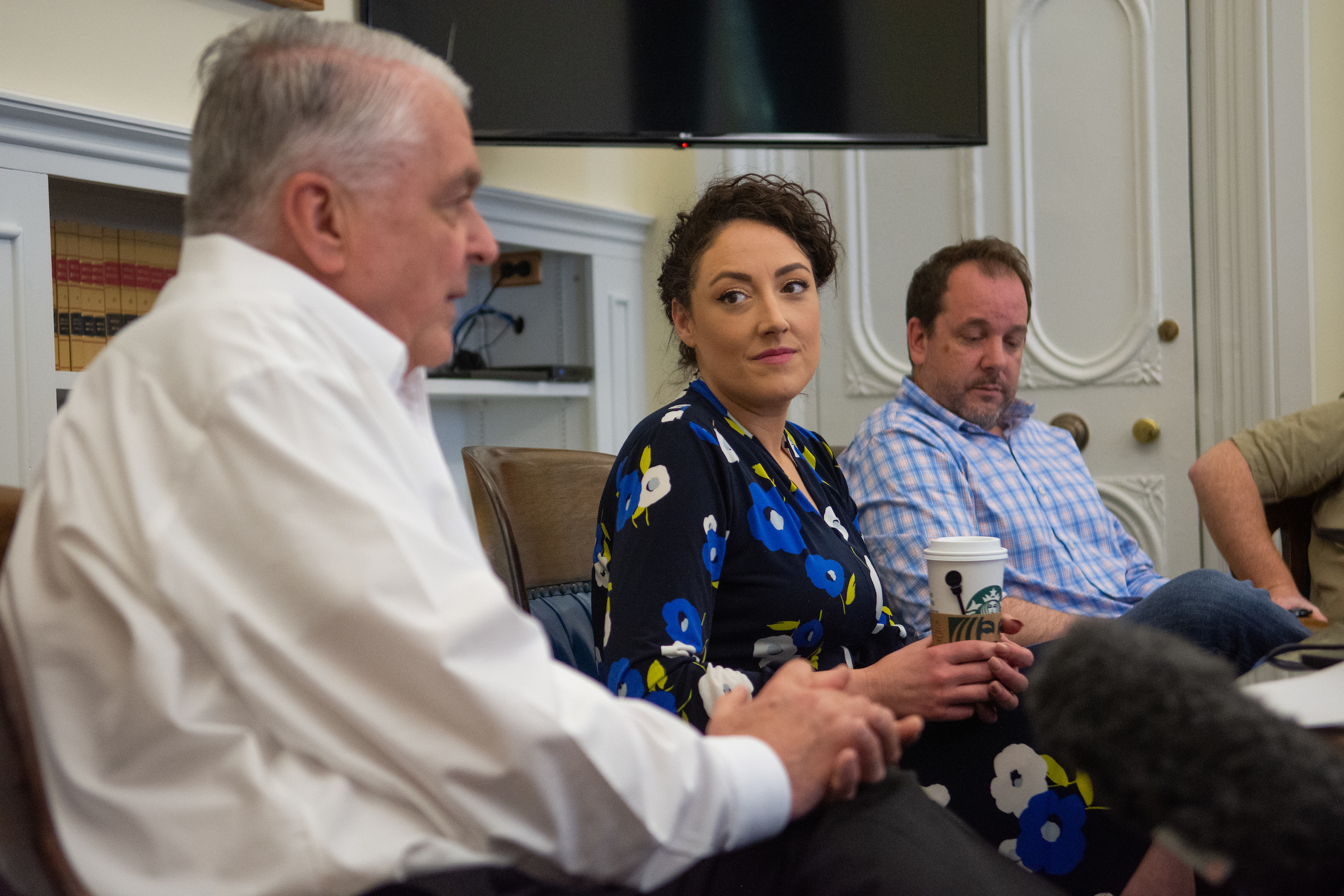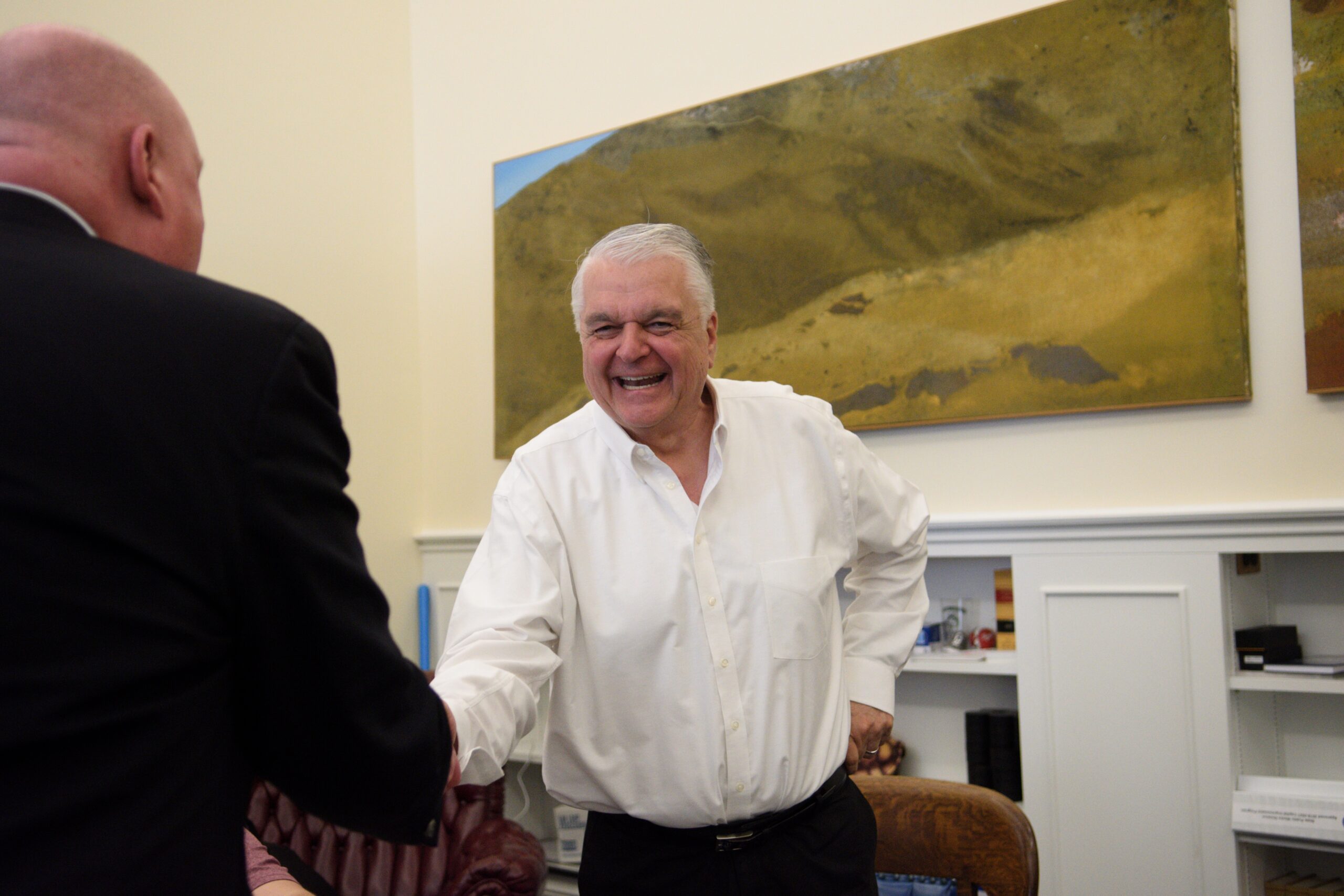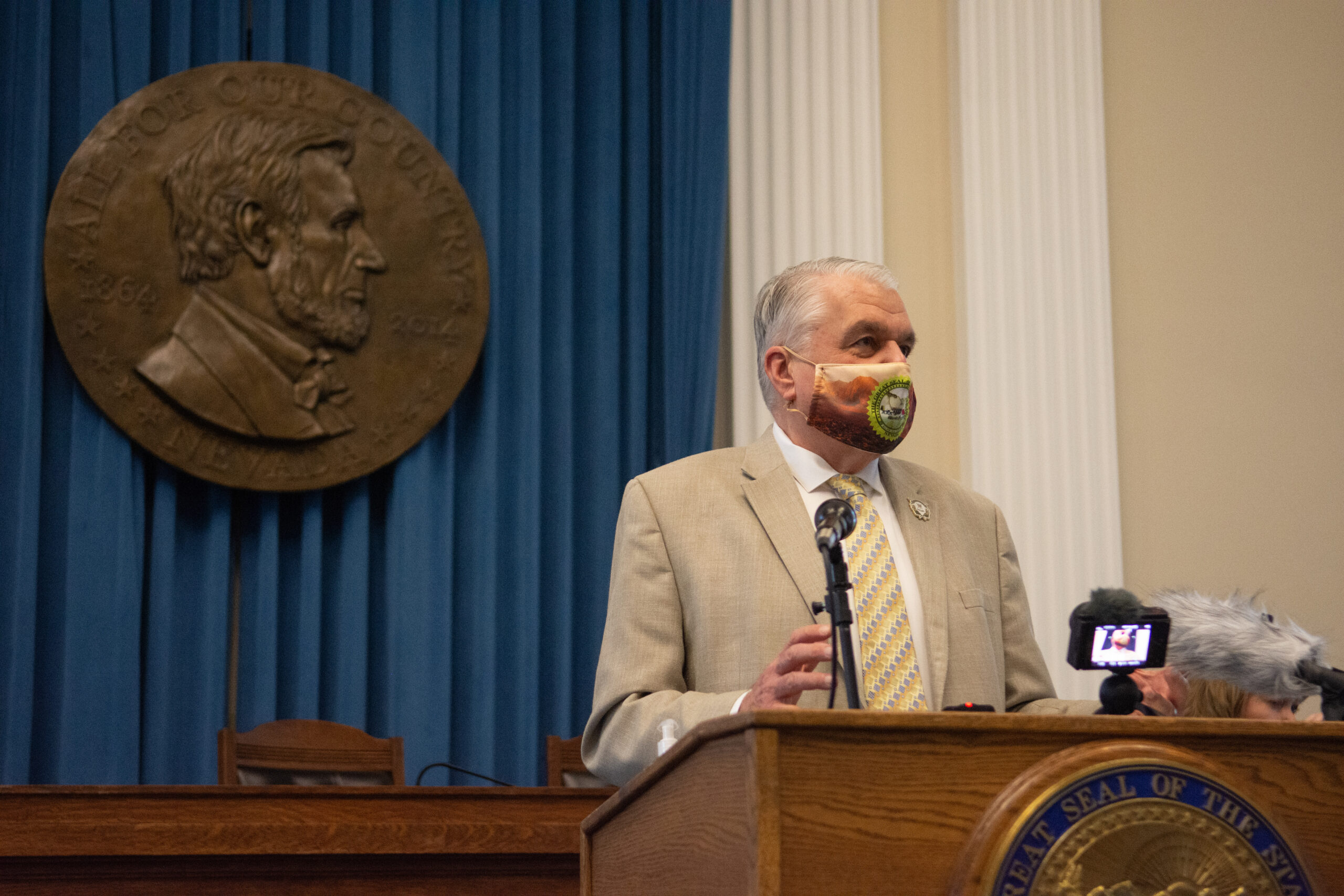

The Nevada Independent sat down with White last week before her departure over Zoom to talk about the last three years, including her highs and her lows, and what is next for her after leaving the governor's office.
Lt. Gov. Kate Marshall formally announced Thursday afternoon that she will resign and accept a position with the Biden administration.
Sign up for our newsletters
The Daily Indy
Sunday-Friday
Sign up to get exclusive Nevada news and analysis right in your inbox.
Indy Elections
Every Tuesday
Our reporters take you beyond the sound bites to dig into Nevada politics, delivering scoops and smart analysis on key races and important policy issues.

Indy Environment
Monthly
From hiking trails to town hall meetings, Amy Alonzo breaks news on the environmental beat and curates the best land, water and energy journalism in the West.

Indy Education
Twice monthly
Get schooled as Rocio Hernandez takes you inside Nevada’s K-12 education system, delivering insightful policy news and exclusive interviews with movers and shakers.

Indy Gaming
Every other Wednesday
Veteran reporter Howard Stutz explores what’s innovative and interesting in Nevada’s gaming, sports and hospitality industries and its interplay with global trends.
Cancela will formally join the administration in September after leaving the state in 2020 to work within the federal Department of Health and Human Services.
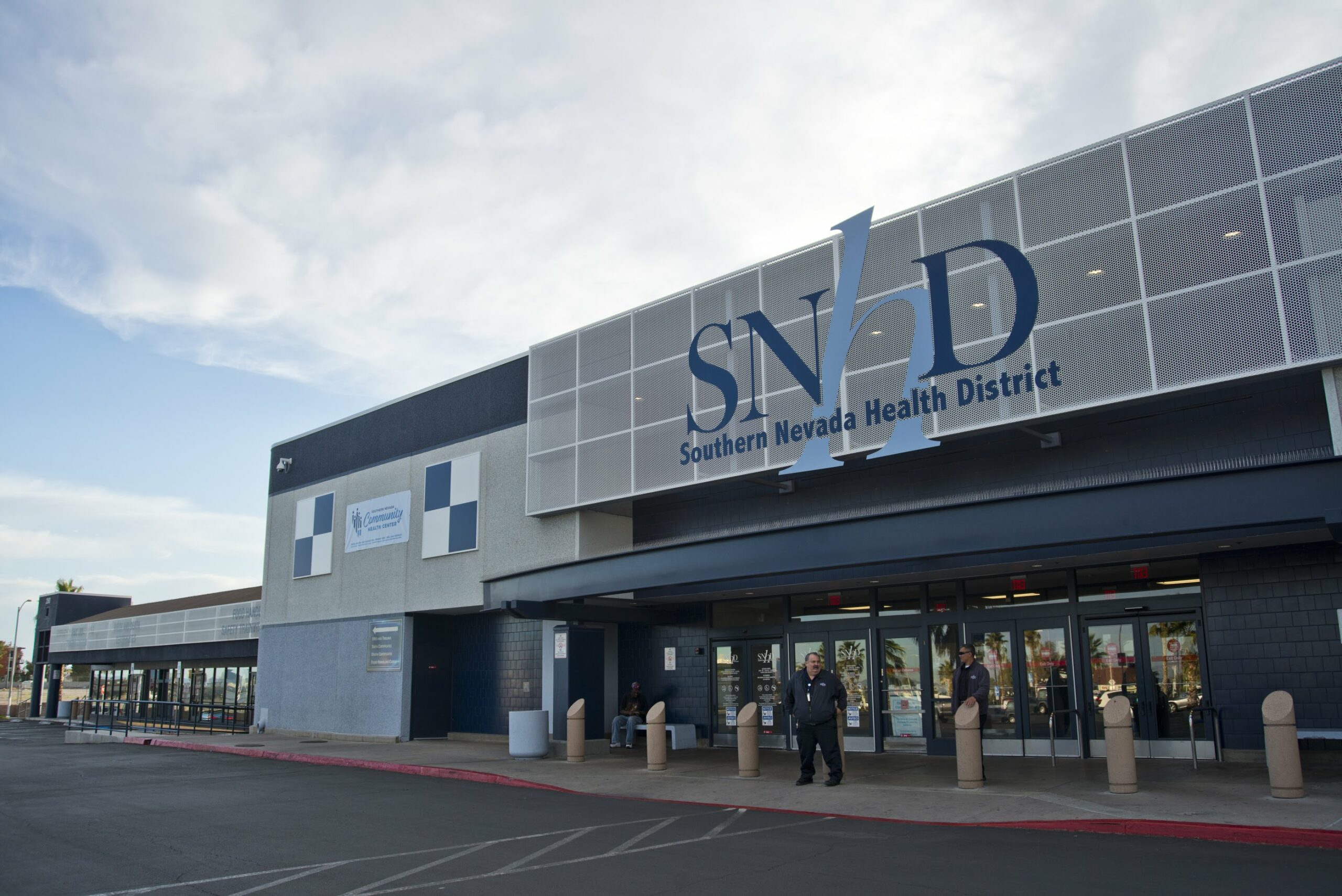
Health district officials on Friday recommended that all individuals, regardless of their vaccination status, wear masks in "crowded indoor public places" where they may have contact with unvaccinated individuals.
A medida que la variante altamente transmisible Delta se ha propaga en los EE.UU, Nevada y, en particular, el Condado Clark, se ha convertido rápidamente en un epicentro de la última oleada del virus.
Chief of Staff Michelle White, in a statement, called serving in Sisolak's office "the honor of my lifetime" and said she looked forward to supporting the governor's staff during the transition.
As the highly transmissible Delta variant has taken hold across the United States, Nevada, and, in particular, Clark County, has quickly emerged as an epicenter of the latest surge of the virus.
The first-term Democrat rattled off a list of accomplishments during the 120-day session that ended Monday, including distributing $100 million in grants to small businesses, earmarking federal funds to modernize the unemployment system, passing a bill that guarantees many hospitality workers the "right to return" to their old jobs and passing measures that expand voting opportunities.
Outside of the budget, legislators are beginning their typical ritual of rolling out ambitious bills in the waning days of the session, including a state-based public health insurance option, fixes to the oft-criticized unemployment insurance system, and a major transmission and electric vehicle omnibus bill.
More than a year into the pandemic, the victory we long for has been delayed as the vaccination effort races against the variants' spread. This uncertain moment, however, offers an opportunity for Nevada: To reflect, to learn and to heal.
Over the last year, the pandemic has sometimes brought the state and local governments together as they allied to face a grim future together in the face of no centralized national response strategy. It has also sometimes wrenched them apart.
Nevada is, once again, healing, just as it did after the tourism industry was rocked by 9/11, the Great Recession and 1 October. That healing, though, has only ever been surface deep. The question now is whether history will repeat itself.
The last year laid bare Nevada's chronic underfunding of public health systems, a lack of investment in aging state infrastructure, including its unemployment system and continued economic overreliance on the tourism industry. It also saw resilience in the face of despair.
The proposal, which was released Monday evening and comes a day before the governor's biennial State of the State address, sets the state budget at about $8.68 billion over the next two years, or about $500 million less than what was allocated during the last two-year budget cycle. The state's tourism-dependent economy remains battered by the COVID-19 pandemic but economists are hopeful that a vaccine will usher in recovery.
In his role, Caleb Cage has been charged since March with helping to coordinate the state's response to the ongoing coronavirus pandemic, including chairing the state's COVID-19 Mitigation and Management Task Force, which meets weekly to review action plans for counties at elevated risk for the spread of the virus. Now, he was confronted with the virus firsthand.
Health district officials in Clark and Washoe counties reiterated in a letter to Gov. Steve Sisolak on Friday concerns that they have been left out of state officials' decision-making process on COVID-19 health and safety protocols they are required to enforce.
Members of the Assembly, after a five-hour hearing Wednesday night, voted 31-10 to grant final approval to SB4, the last major piece of legislation to advance in the special session. It mandates certain health and safety protections for hospitality workers, in addition to granting broad liability protections to nearly all businesses, governmental bodies and nonprofit groups in the state so long as they follow required local, state and federal health protocols.
The bill, which is likely to be the last piece of legislation introduced during the special session, cleared the Senate Committee of the Whole early Tuesday morning, 18-3, with Republican Sens. Ira Hansen, Joe Hardy and Pete Goicoechea in opposition. The legislation, SB4, has dominated the behind-the-scenes conversations during the session and is the culmination of a deal between some of the state's most powerful political interests, including casinos, business groups and the Culinary Union.
In a memo sent Thursday evening and first reported by the Las Vegas Review-Journal, Chief of Staff Michelle White asked agencies to propose cuts of 5 percent for the upcoming fiscal year starting in July on top of additional budget cuts submitted earlier. The proposals are due by Monday, June 1.