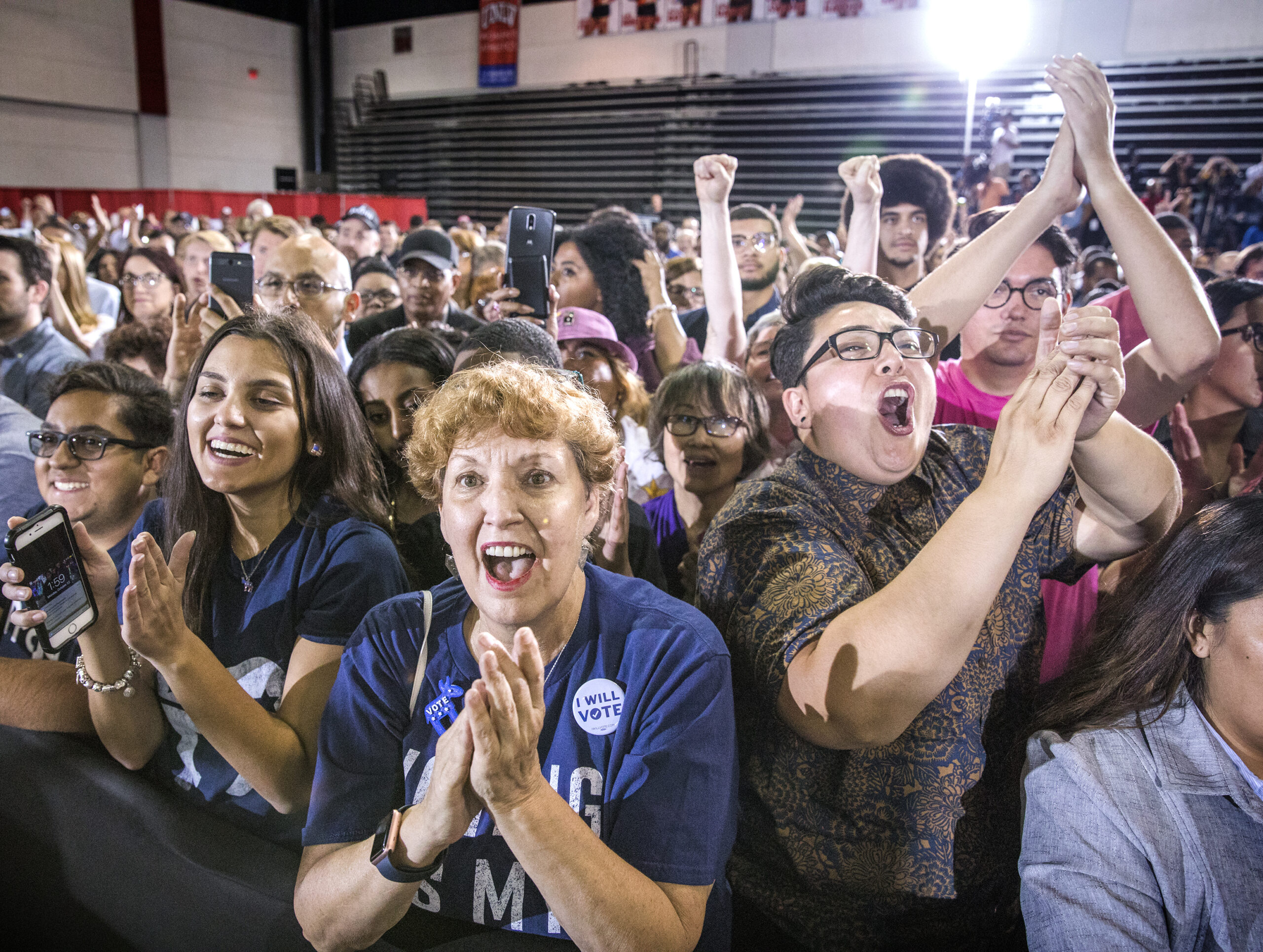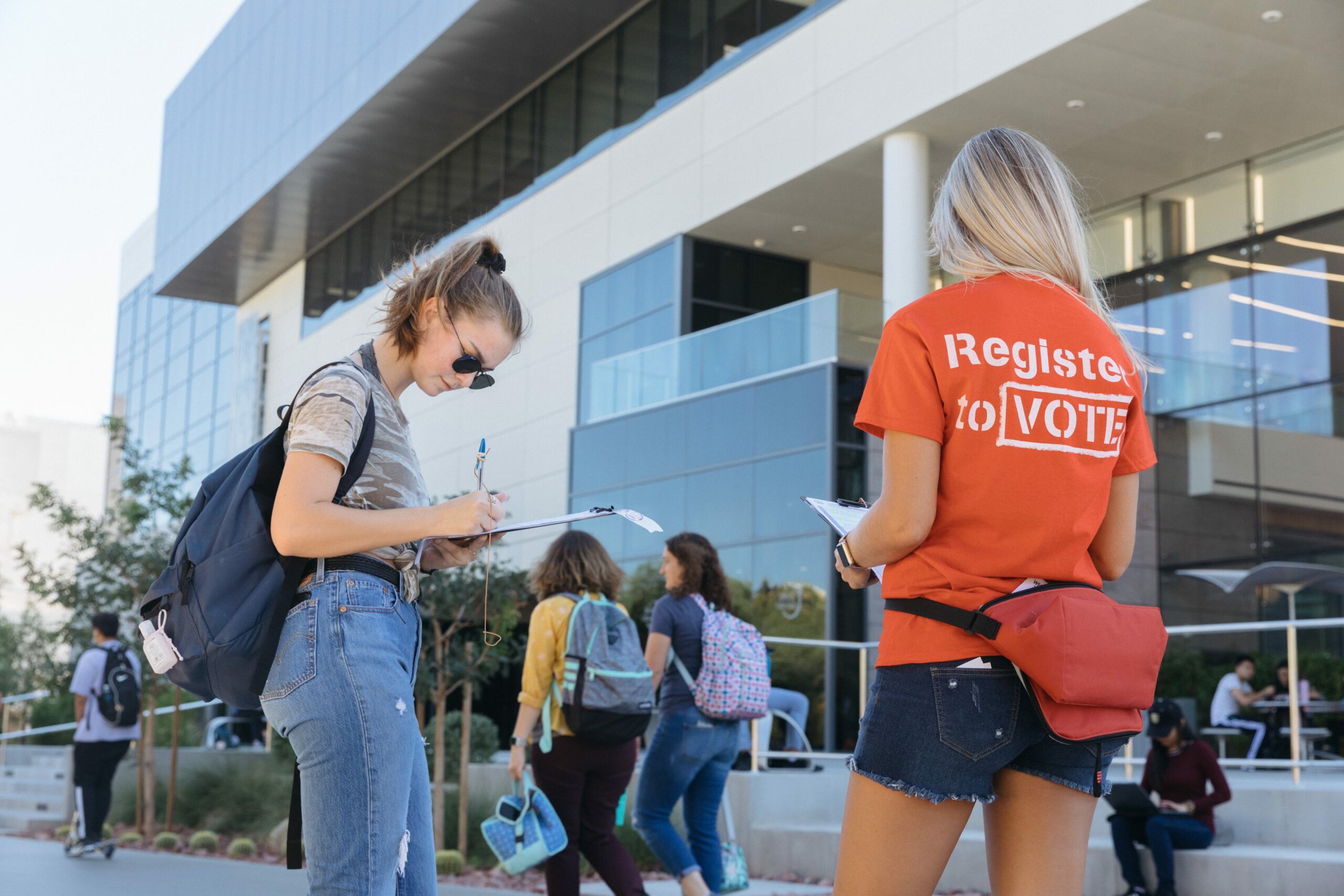
The progressive advocacy group NextGen America is ramping up its efforts ahead of the 2020 election in an effort to keep Nevada blue, with plans to spend $1 million on registering and turning out young people.
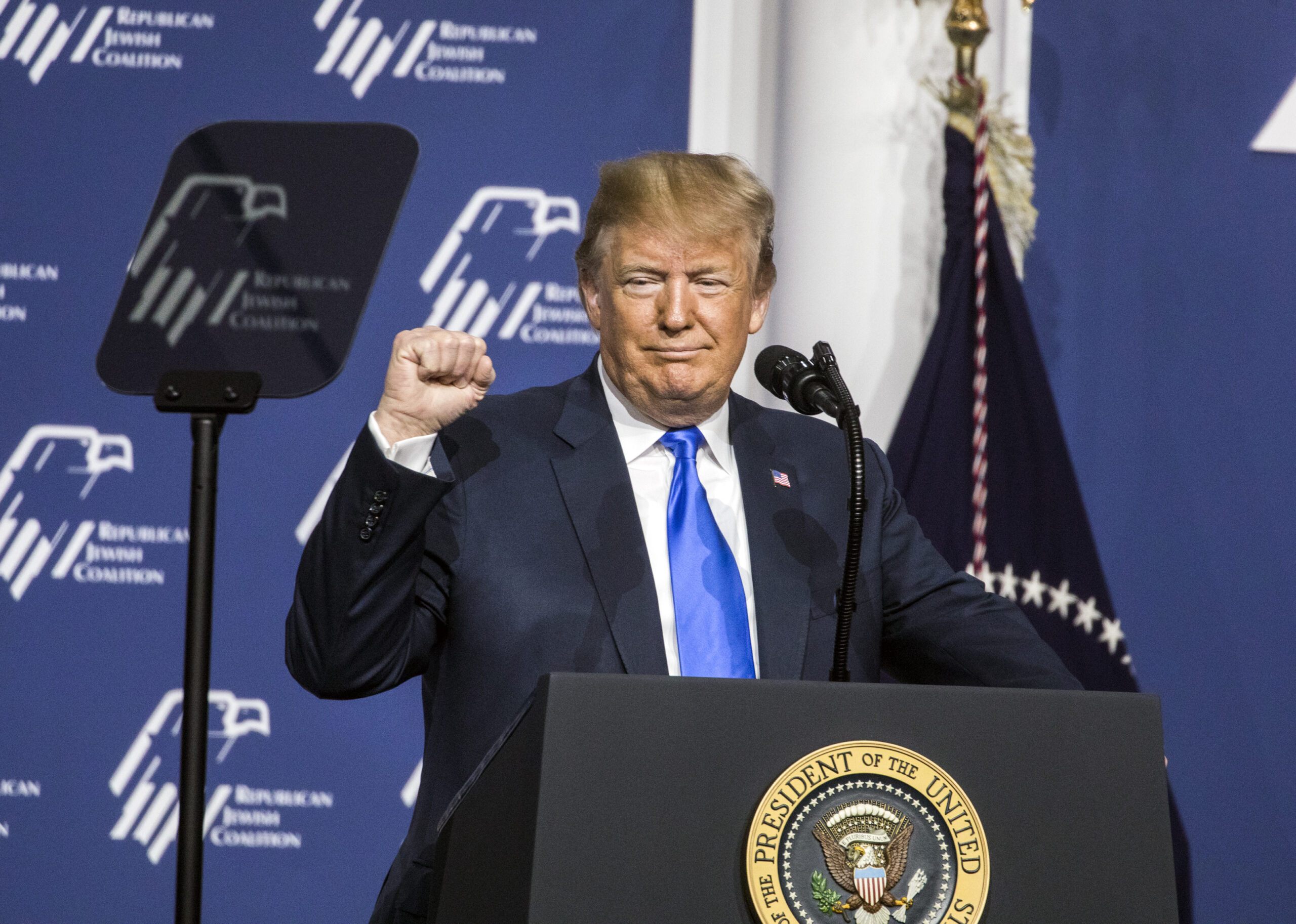
Having barely lost Nevada in 2016, President Donald Trump will make a play for the state with the belief that the strong economy, successes of his first term and an improved field operation will be enough to make the difference, campaign officials said Friday.
Sign up for our newsletters
The Daily Indy
Sunday-Friday
Sign up to get exclusive Nevada news and analysis right in your inbox.
Indy Elections
Every Tuesday
Our reporters take you beyond the sound bites to dig into Nevada politics, delivering scoops and smart analysis on key races and important policy issues.

Indy Environment
Monthly
From hiking trails to town hall meetings, Amy Alonzo breaks news on the environmental beat and curates the best land, water and energy journalism in the West.

Indy Education
Twice monthly
Get schooled as Rocio Hernandez takes you inside Nevada’s K-12 education system, delivering insightful policy news and exclusive interviews with movers and shakers.

Indy Gaming
Every other Wednesday
Veteran reporter Howard Stutz explores what’s innovative and interesting in Nevada’s gaming, sports and hospitality industries and its interplay with global trends.
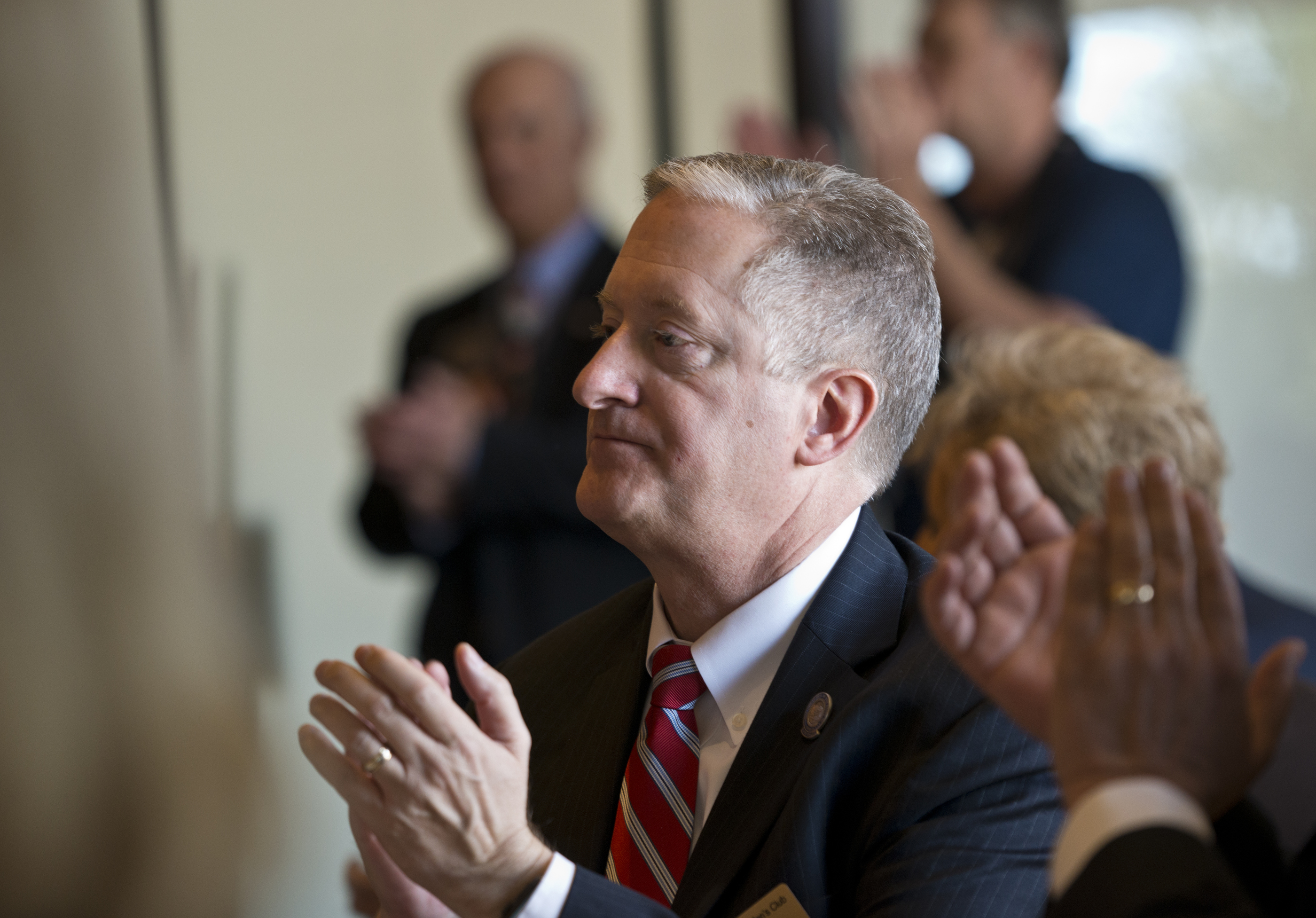
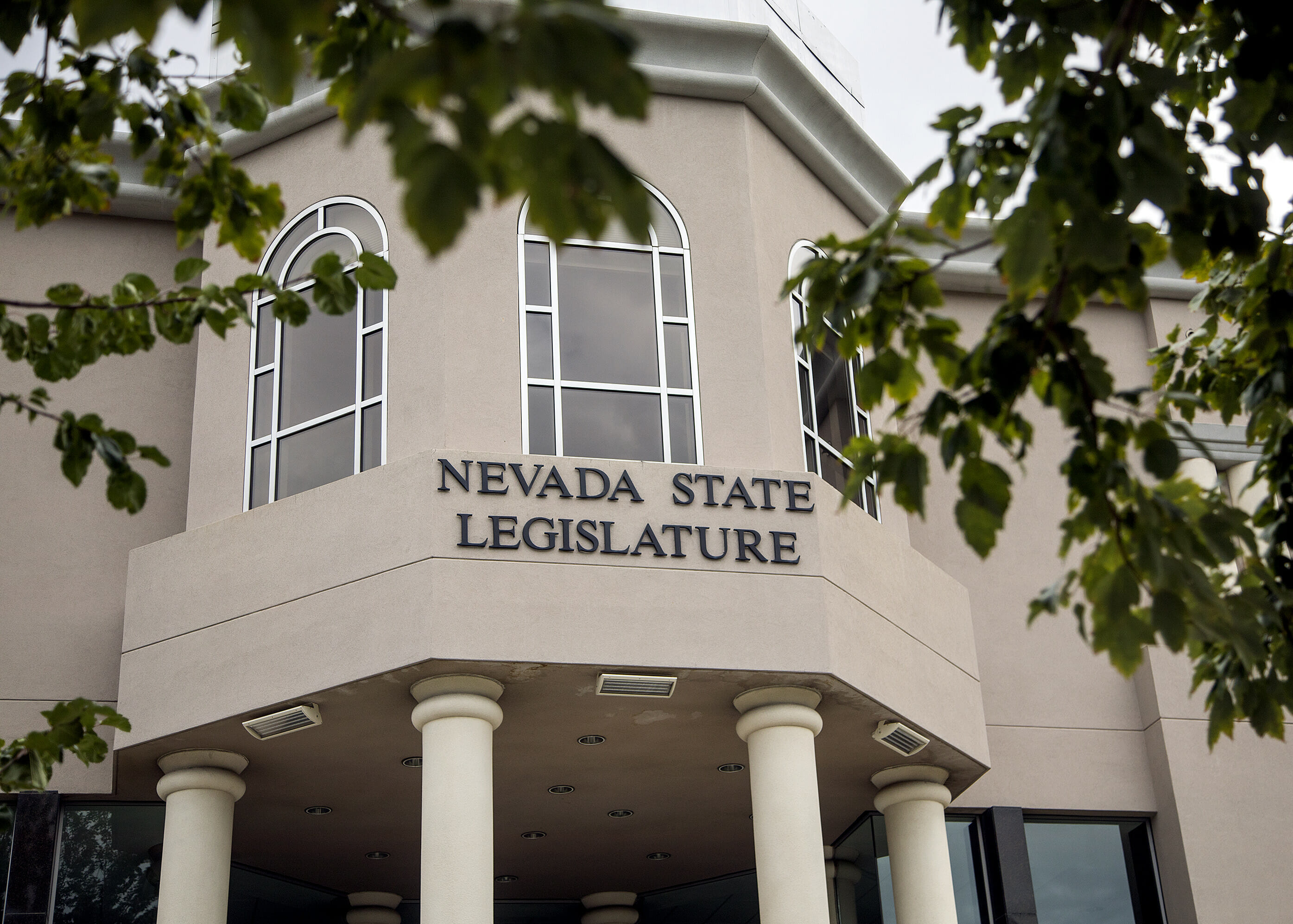
A recount has upheld Republican Keith Pickard's victory earlier this month in a competitive Henderson-area state Senate race, denying Democrats a supermajority in the upper chamber of the Legislature.
But Nevada has largely avoided that issue — quick calls on election night are a result of the state's relatively strict deadlines for mail and absentee ballots and because of the popularity of early voting in the state, Deputy Secretary of State for Elections Wayne Thorley said in an interview with The Nevada Independent. Thorley said being able to call races relatively quickly helped solidify the integrity of election results and cut down on misinformation that festers when ballot counting continues indefinitely.
When the money was tallied, opponents of the ballot question spent more than three times more than the amount reported by proponents. They were also able to bring together a diverse coalition of groups, including rural counties, organized labor, business organizations, pro-renewable groups, teachers' unions and senior groups to publicly oppose Question 3 and appear in campaign ads laying out their issues with it.
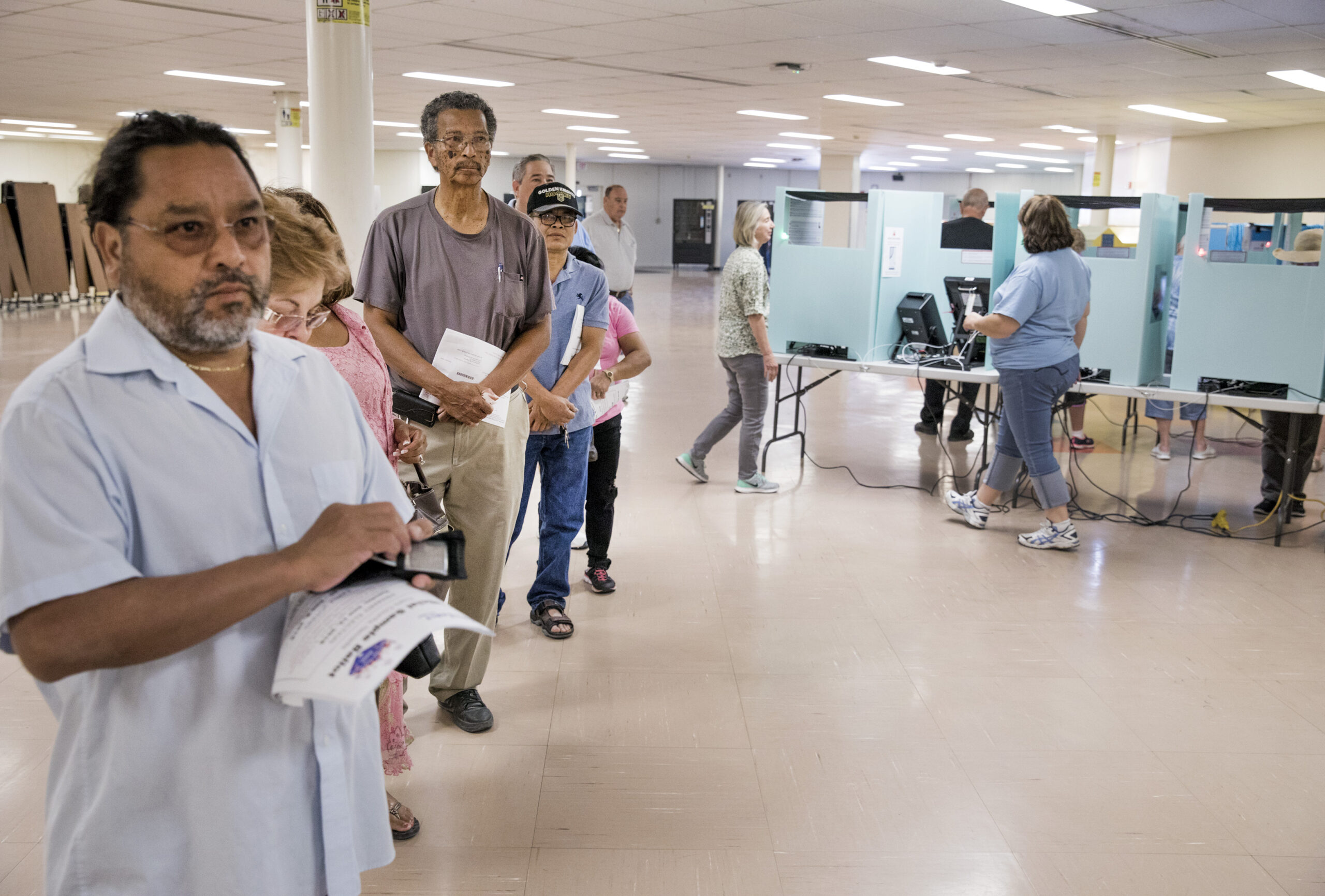
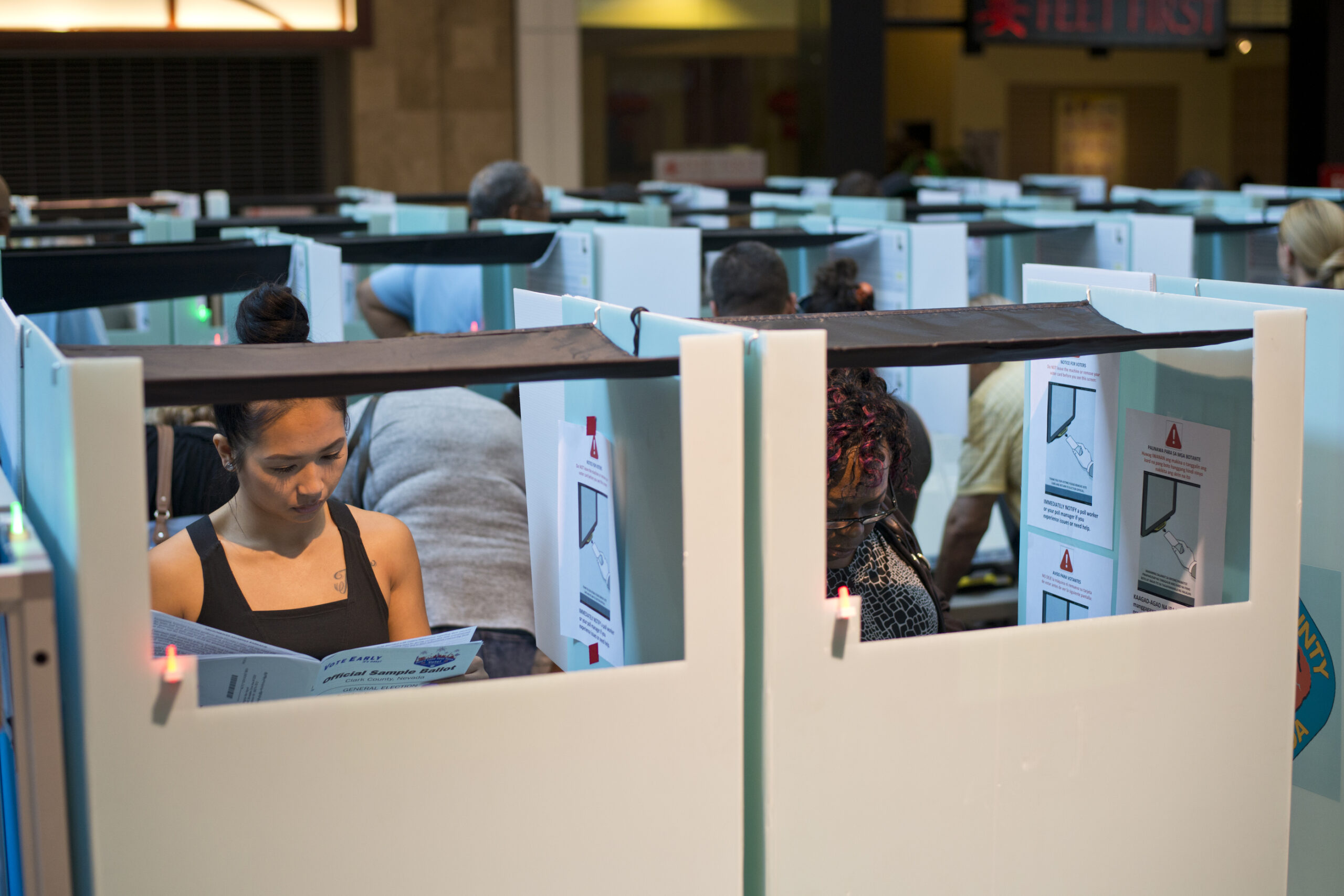
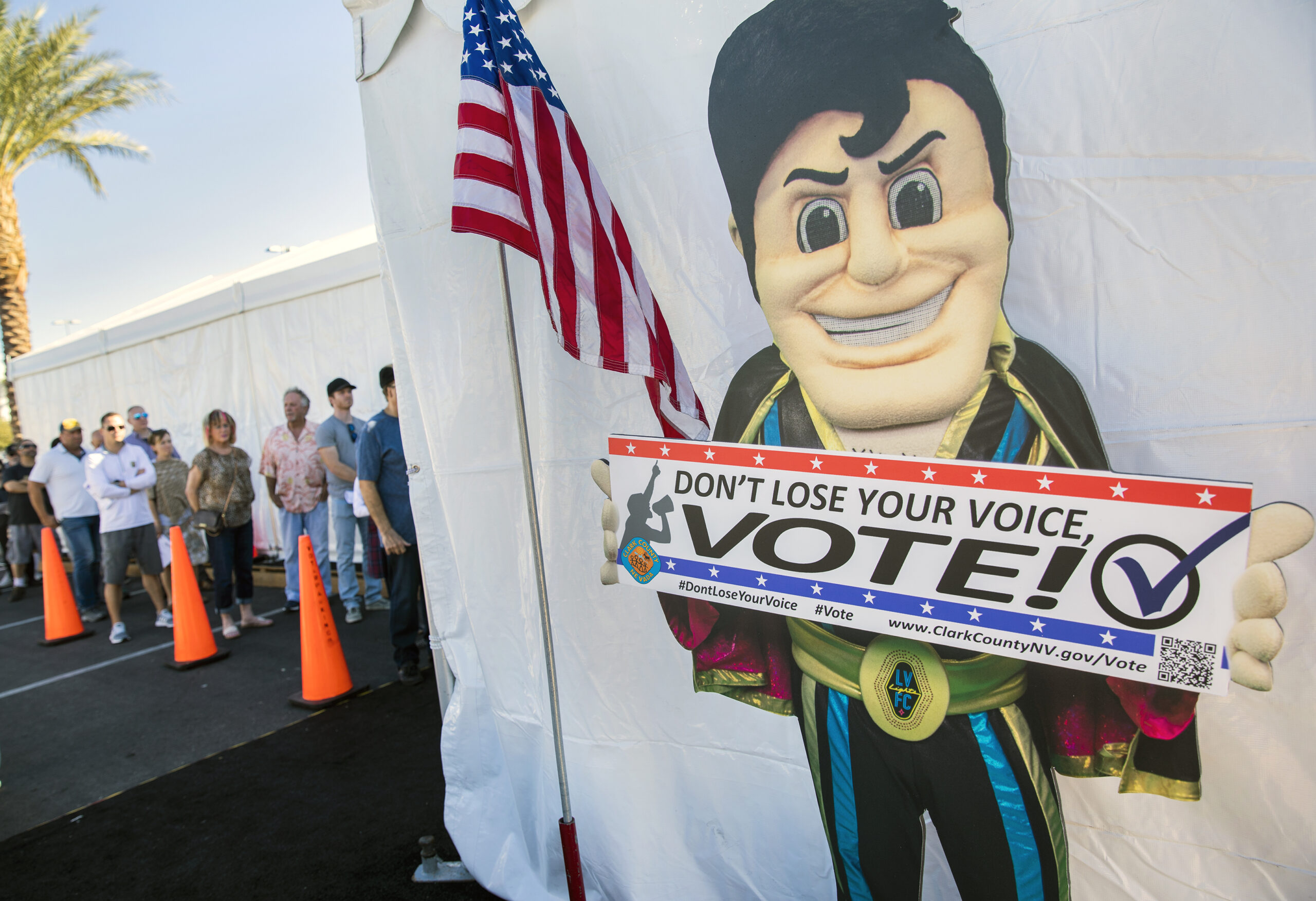
On Election Night, all eyes were on Washoe County, where high turnout kept polls open nearly three hours after doors closed in some parts of Reno. With high turnout and long lines, some officials are now calling on the county to dedicate more resources to its Election Day operations.
In the aftermath, some Republicans have sounded tones of resignation — that two consecutive elections have established that Nevada is a blue state, that the conventional wisdom of a low-turnout midterm no longer applies, and that Republicans can't compete in years where Democrats are motivated to vote.
In spite of Laxalt's head start on the airwaves, and in spite of warnings that commissioners like Sisolak are unelectable because they deal daily in a world of contracts and campaign donations that can look unseemly, Sisolak defeated Laxalt by four points, or almost 40,000 votes. How?
The Nevada Secretary of State's Office says it has received no credible reports of voter fraud, much less any on a scale that would affect the outcome of a race, in the aftermath of the 2018 election.
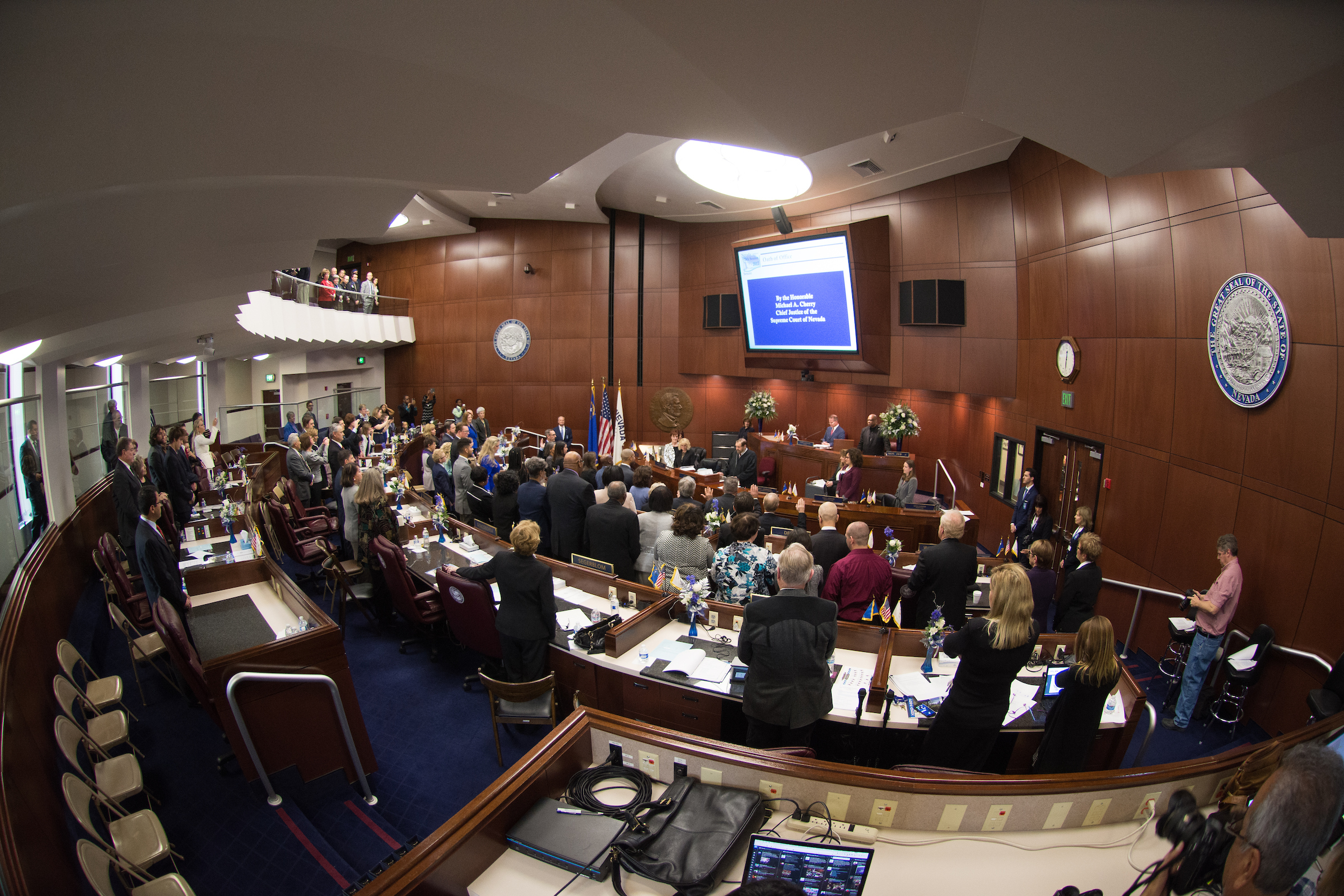
If nothing is certain but death and taxes, it's inevitable that some elected officials will pass away during their terms — or sometimes before they even begin. Other vacancies arise when lawmakers resign before their terms end. So what happens when there's suddenly an empty elected seat?
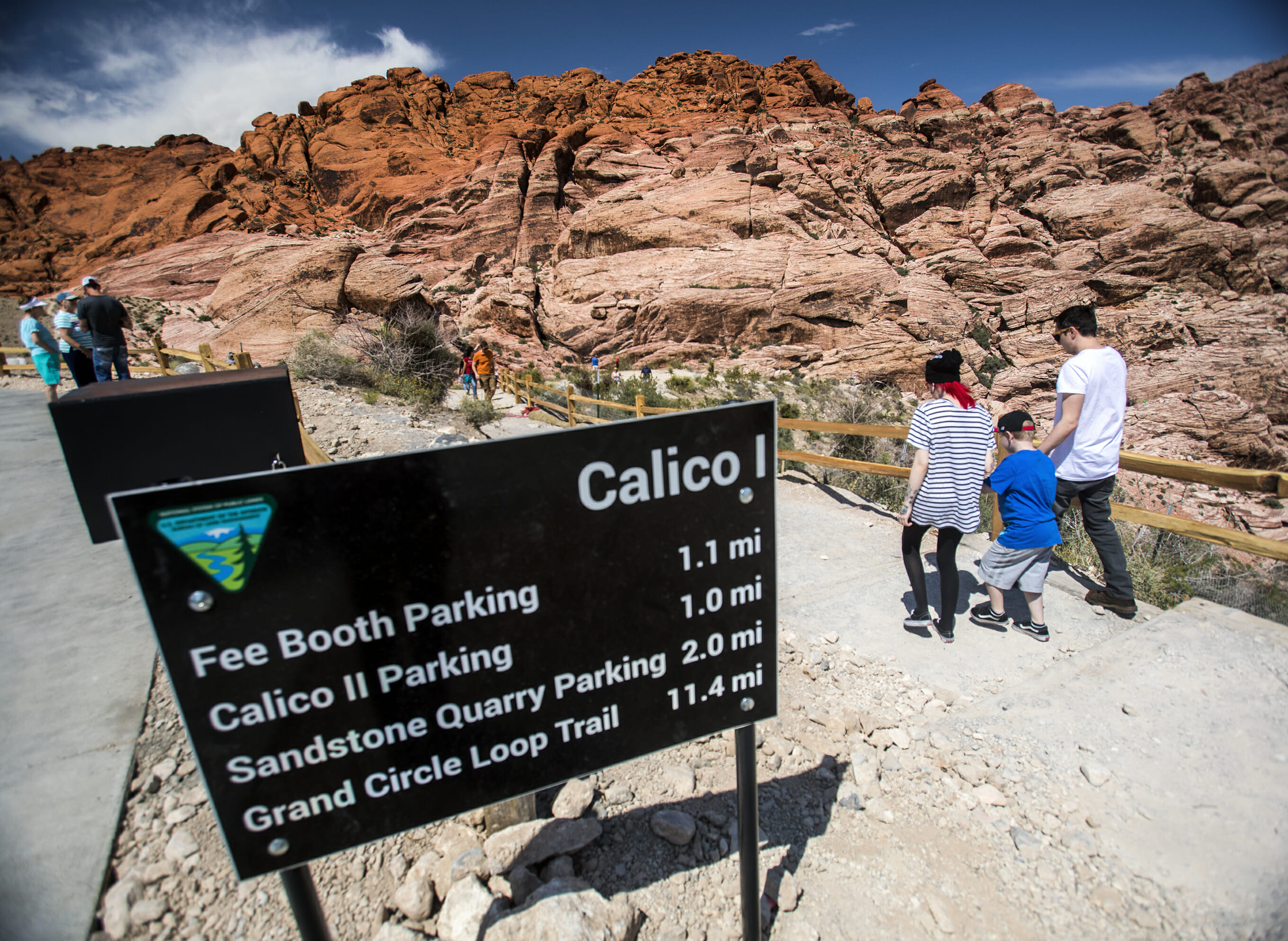
In echoes starting from the primary, the environment played a role in several 2018 races. Ads, rallies and speeches prominently highlighted positions on everything from development near Red Rock National Conservation Area to the Trump administration's push to deregulate clean air standards.
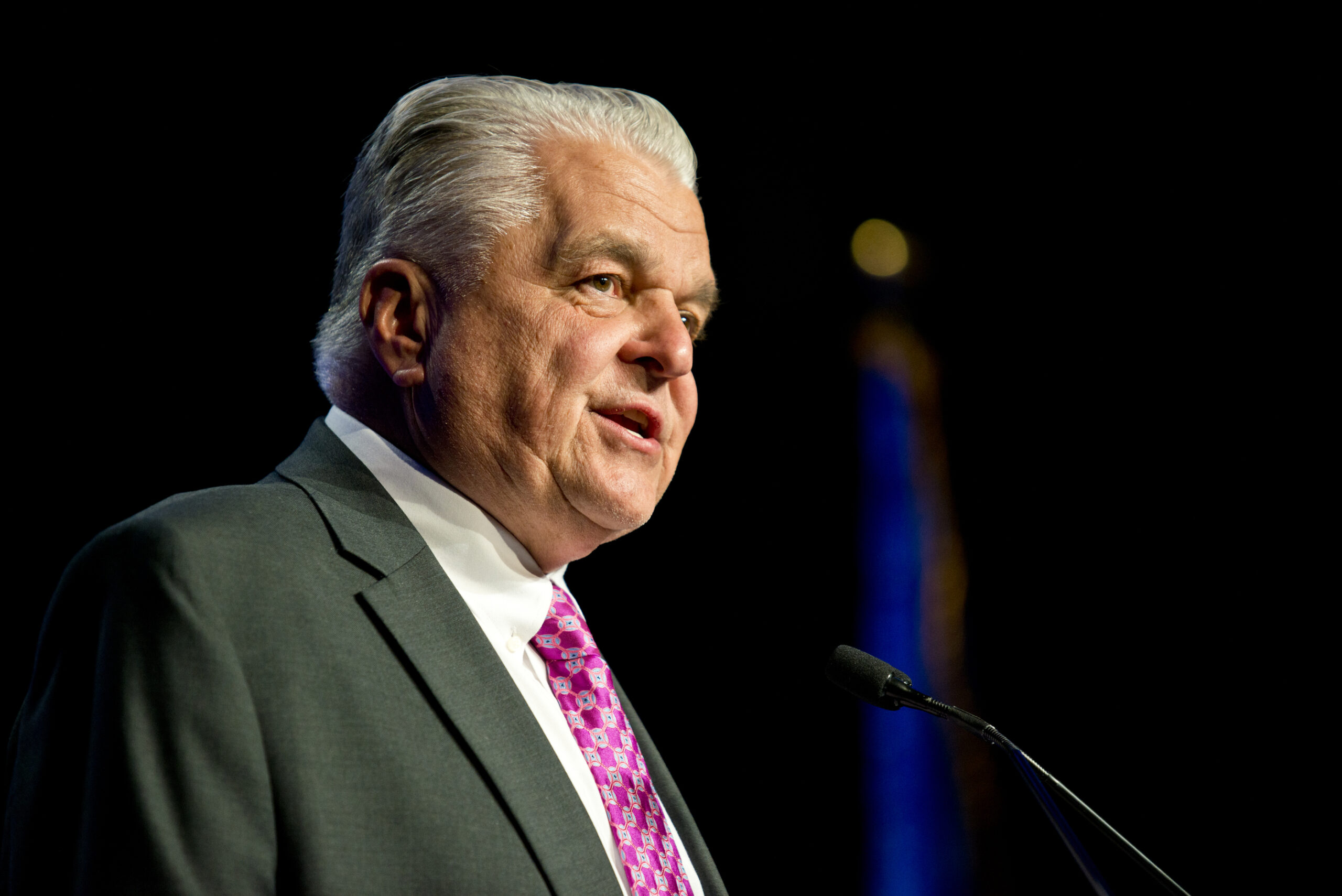
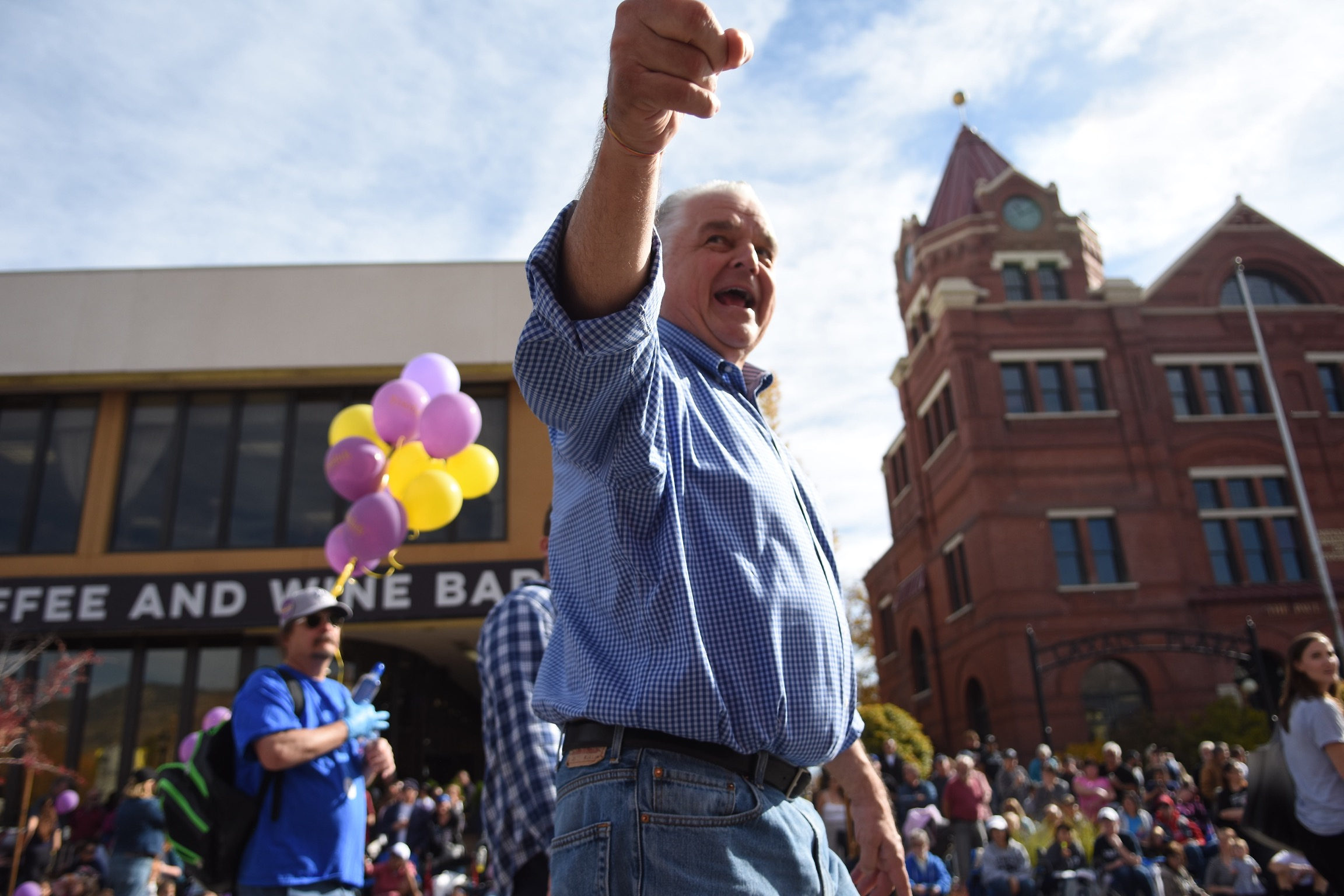
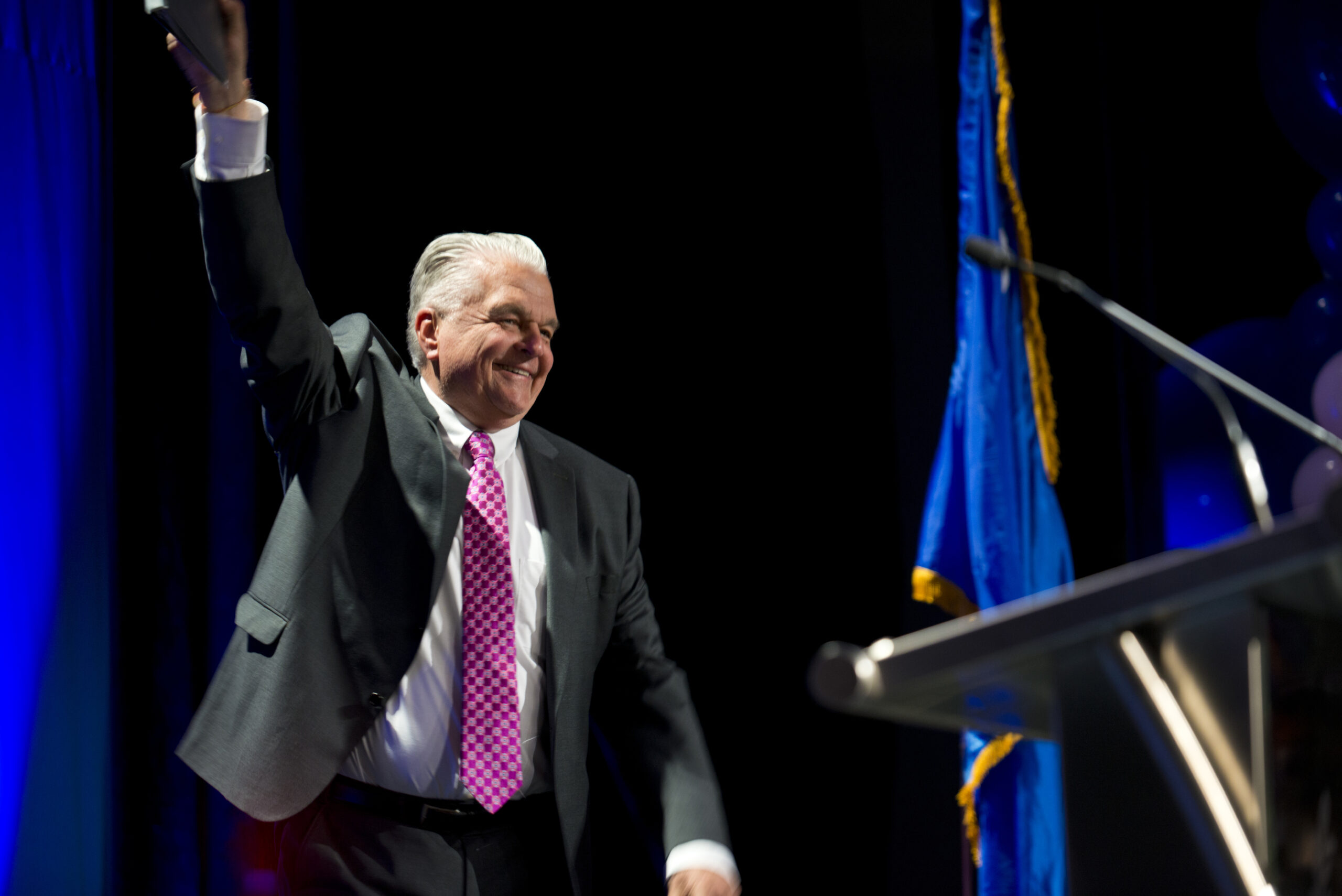
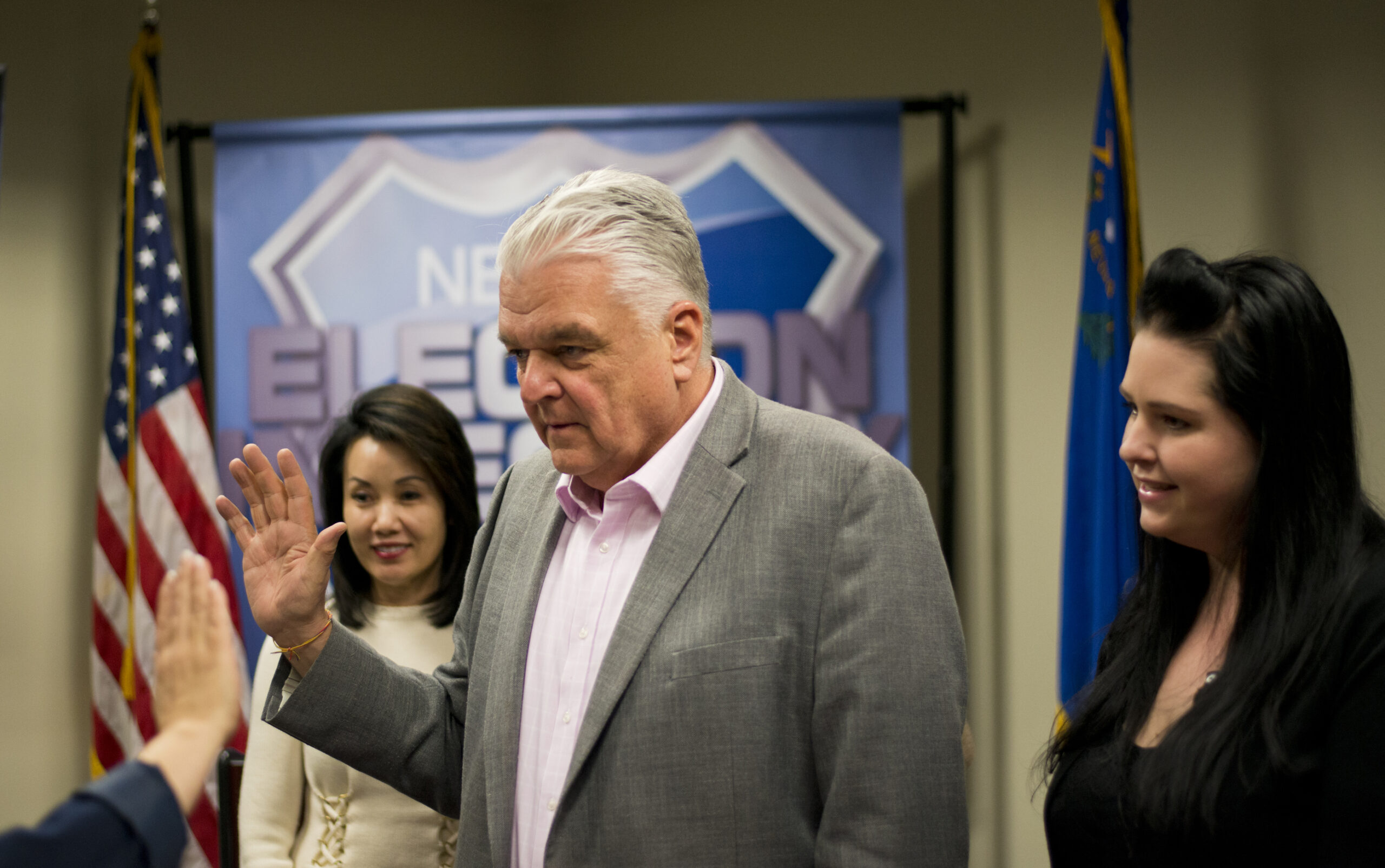
It's been quite the week for Democrat Steve Sisolak. Just days after winning a hotly contested race for governor, the chairman of the Clark County Commission announced his engagement to his girlfriend of five years, Kathy Ong, whom he called his soulmate.
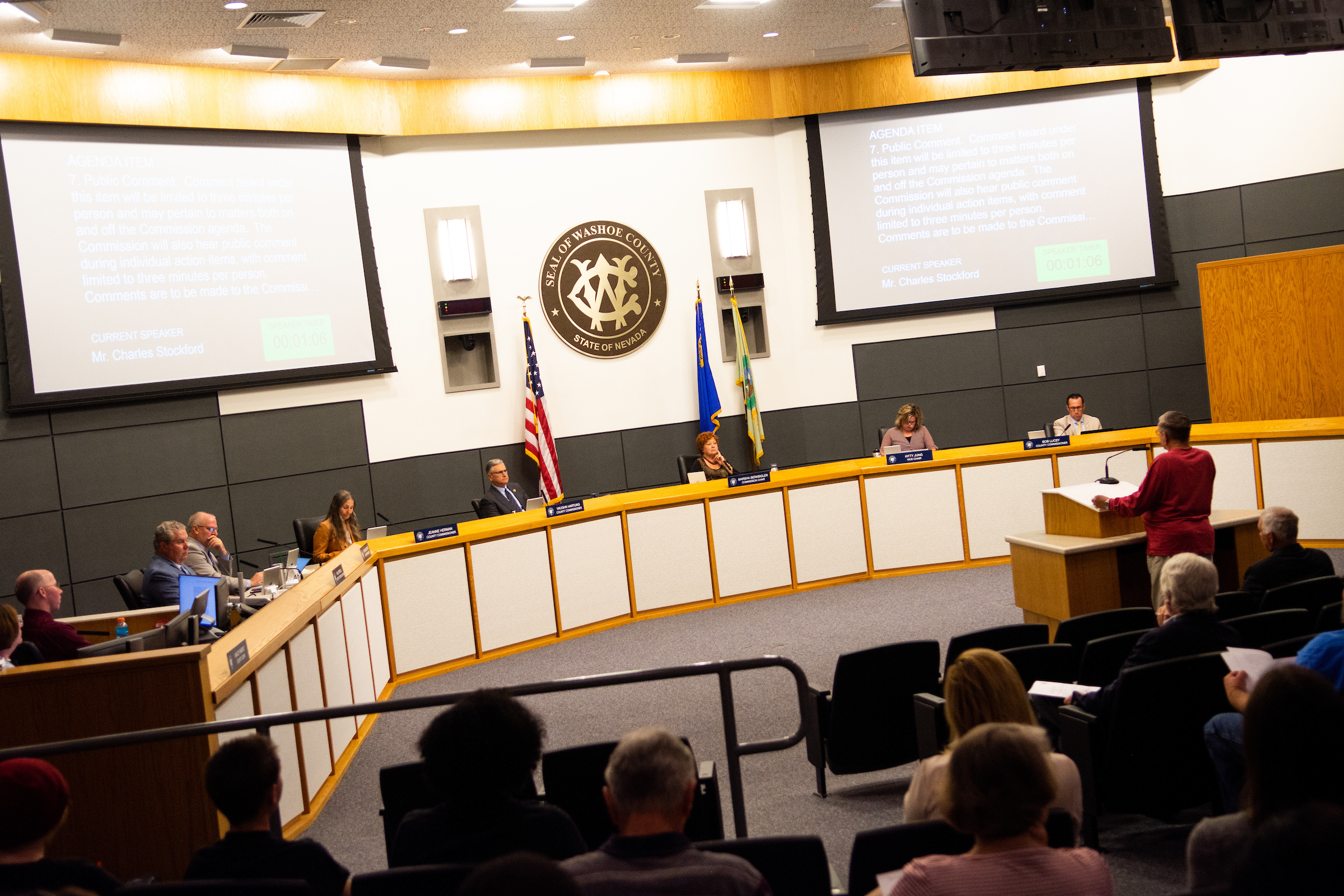
Washoe County used to be solidly conservative. But in recent years, it has emerged as the state's only swing county, a fact that has often resulted in split tickets. The Nevada Independent explores why Democrats have been so successful and what that means for state politics and the Republican Party.
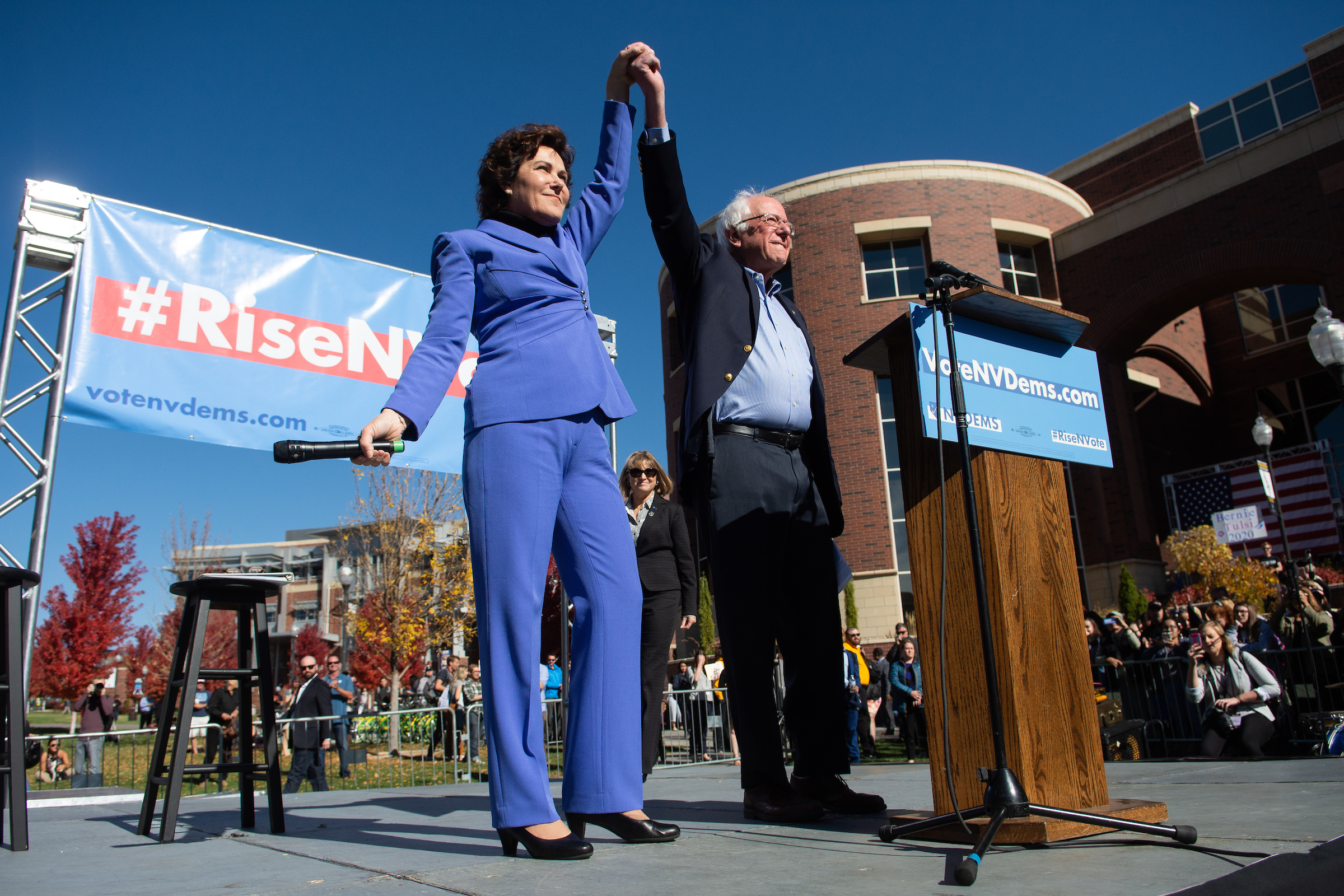
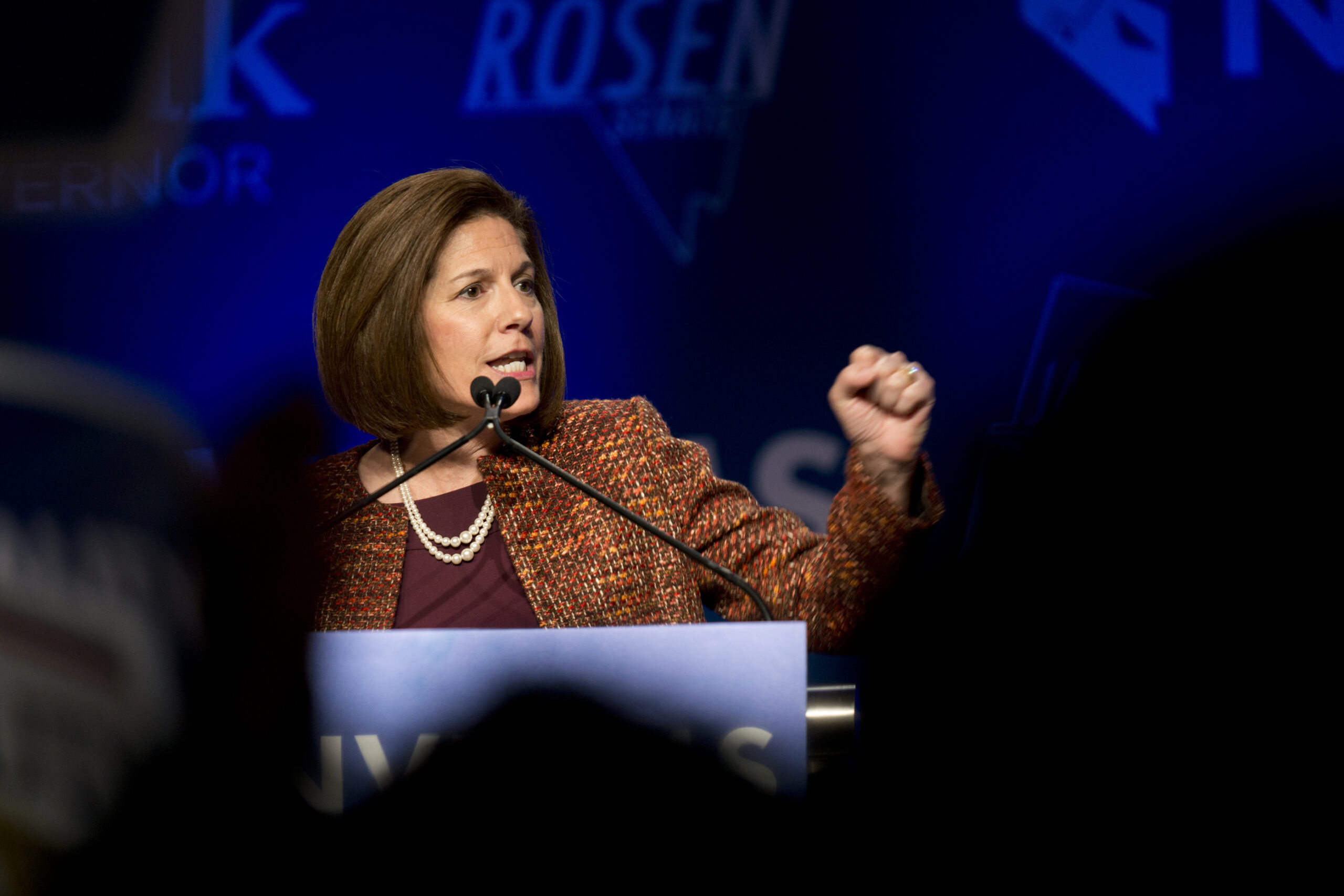
U.S. Sen. Catherine Cortez Masto raised more than $2 million over the course of the election cycle for the Nevada State Democratic Party after taking up its fundraising mantle earlier this year, according to her fundraising team embedded within the party.
It's unclear how much a role, if any, the gubernatorial candidates' marital status played in the midterm election. But Sisolak's win means that for the first time in more than 100 years and only the third time in the state's history, Nevada voters elected an unmarried governor.
The percentage of voters who turned out to the polls in Nevada was still lower than the 76.7 percent of voters who showed up in 2016 to cast their ballots in favor of then-candidate Trump or former Secretary of State Hillary Clinton. But it was far and above the meager 45.6 percent voter turnout in the 2014 midterm
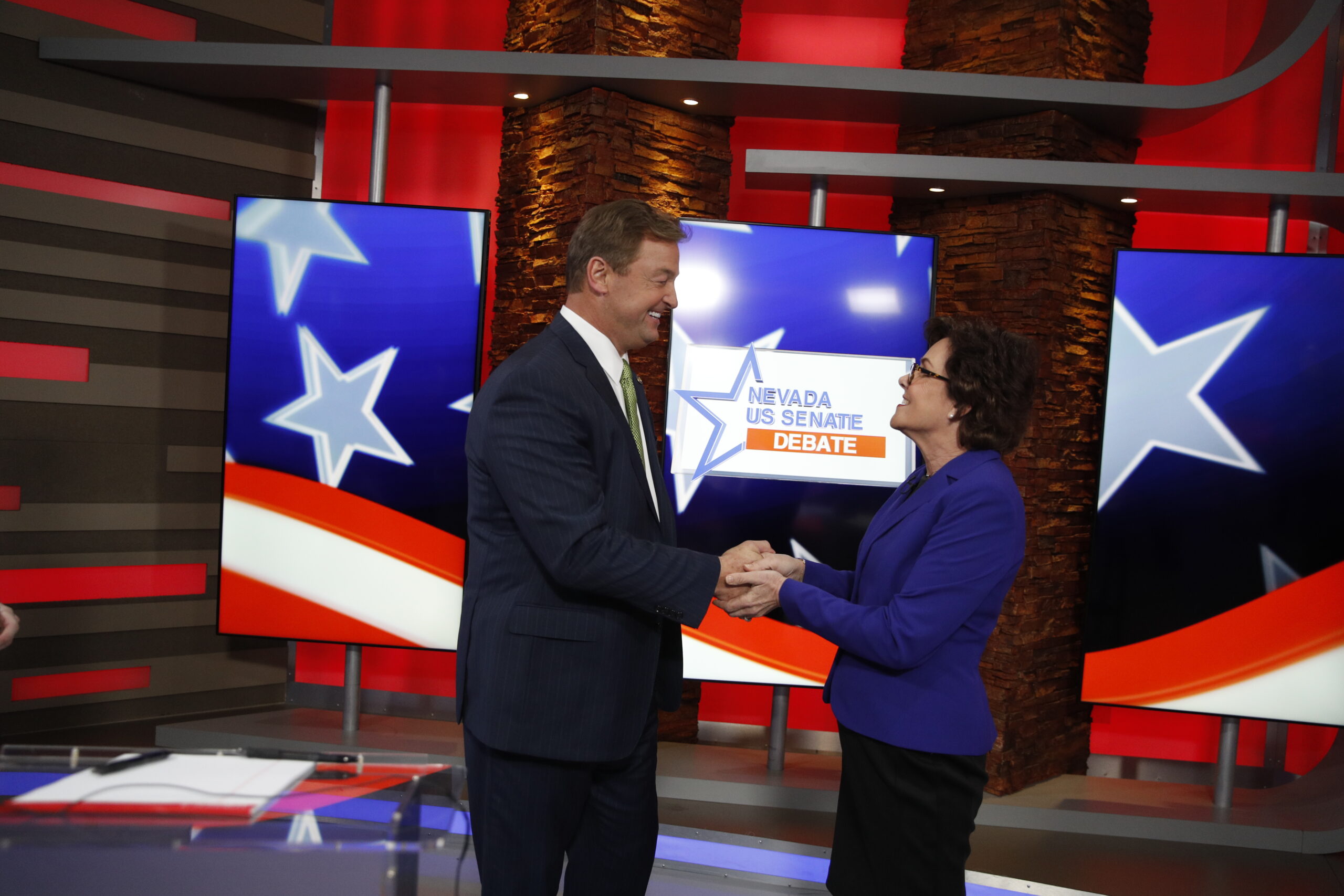
There was the thrill of victory and the agony of defeat. As long-delayed election results finally poured in late Tuesday night, Democrats reveled in wins up and down the ticket, while Republicans mourned some bruising losses. In some cases, candidates' facial expressions conveyed more emotion than words could ever capture.